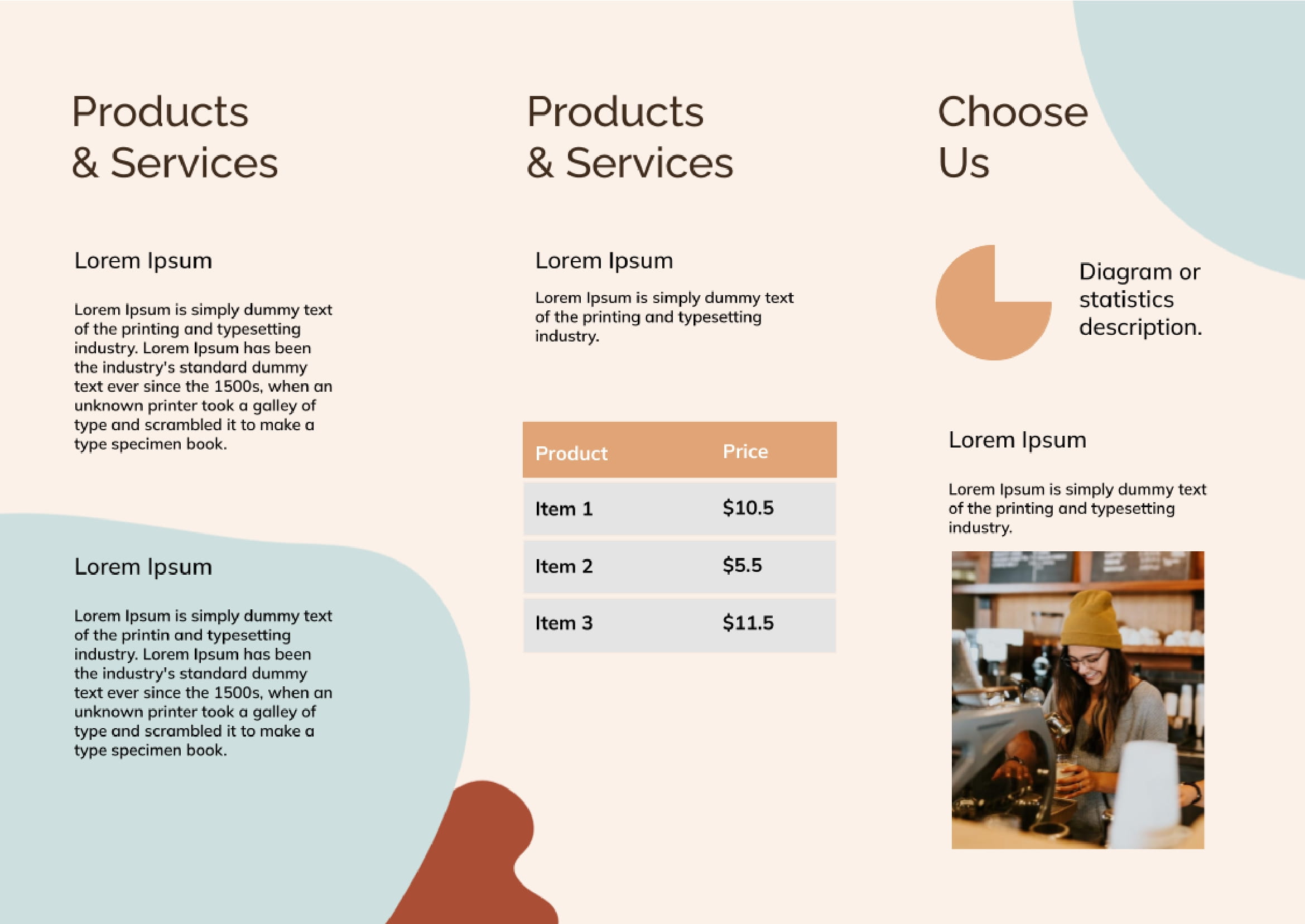
Are you looking for a cost-effective and easy way to create professional-looking brochures without the need for expensive design software? Brochure Templates Google Docs offer a fantastic solution, empowering you to design stunning marketing materials quickly and efficiently using the widely accessible Google Docs platform. This guide will delve into everything you need to know about utilizing Google Docs to generate high-quality brochure templates, covering design principles, best practices, and practical tips for achieving professional results. Brochure Templates Google Docs are becoming increasingly popular, offering a flexible and affordable alternative to traditional design tools. Let's explore how to harness their power.
The rise of digital marketing has dramatically increased the demand for visually appealing brochures. Whether you’re a small business owner, a freelancer, or a marketing professional, a well-designed brochure can significantly impact your brand’s image and drive leads. Traditional design software can be complex and expensive, often requiring specialized training. Google Docs, on the other hand, provides a user-friendly interface and readily available templates, making it accessible to everyone. This article will break down the process of creating brochure templates using Google Docs, ensuring you understand the key steps and best techniques. We’ll cover everything from choosing the right template to optimizing your design for maximum impact.
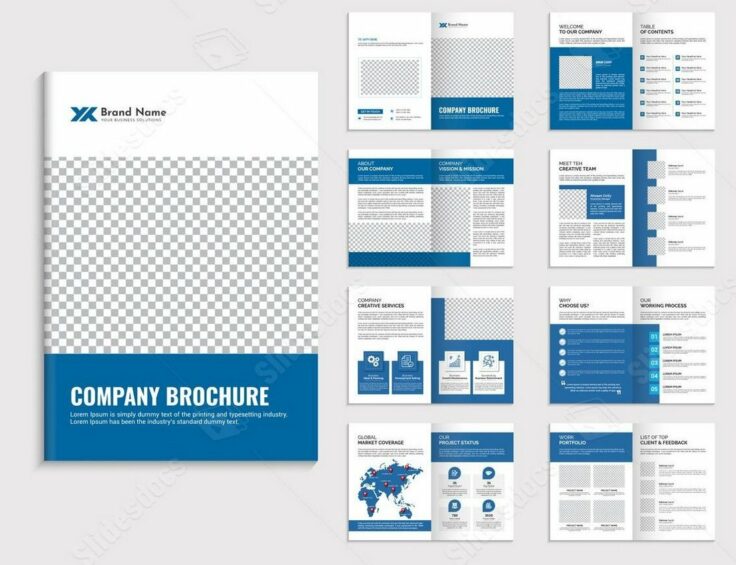
Why Choose Google Docs for Brochure Templates?
Several factors contribute to Google Docs’ appeal as a template creation tool. Firstly, free access is a major advantage. You don’t need to pay for software licenses, saving you significant upfront costs. Secondly, collaboration is seamless. Multiple users can work on the same document simultaneously, facilitating teamwork and revisions. Thirdly, integration with other Google Workspace tools like Google Sheets and Google Slides is incredibly convenient. Finally, accessibility is excellent – anyone with an internet connection can access and edit the template. These features combine to make Google Docs a truly versatile and practical choice for brochure design. The ease of use, combined with the readily available templates, makes it a standout option for many users.
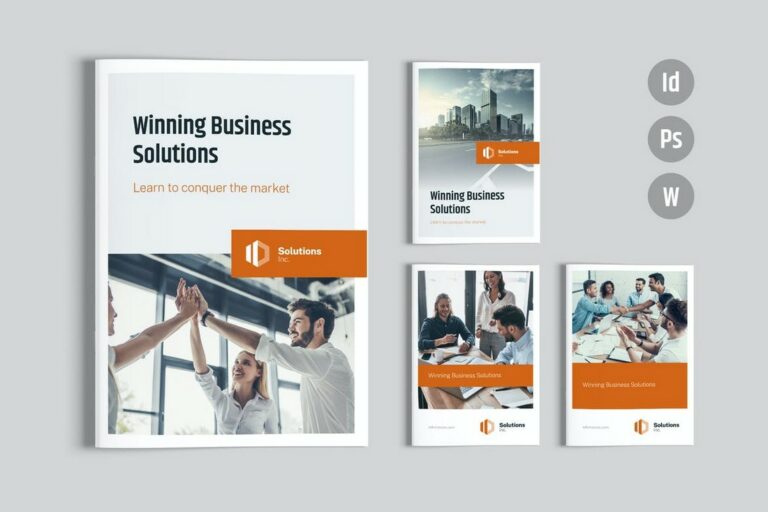
Creating Your First Brochure Template: A Step-by-Step Guide
Let’s begin by outlining the essential steps involved in creating a brochure template using Google Docs. We’ll focus on the core elements – layout, text, images, and branding.
Choose a Template: Start by exploring the vast library of pre-designed brochure templates available within Google Docs. You can find them by going to "File" > "New" > "From Template Gallery." Browse through the options and select a template that aligns with your brand and the message you want to convey. Consider factors like industry, target audience, and desired aesthetic. Templates are categorized by industry, so you can easily find one that suits your needs.
Customize the Layout: Once you’ve selected a template, open it in Google Docs. The template will provide a basic layout. You’ll need to customize this layout to reflect your brand’s unique style. This is where your creativity comes into play. Adjust the margins, font sizes, and spacing to create a visually appealing and professional design. Pay close attention to the overall flow of information – ensure that the text and images are arranged logically and that the design is easy to follow.
Add Your Content: Now it’s time to populate the template with your content. This includes text, images, and any other relevant elements. Use Google Docs’ rich text editing features to format your text – change fonts, sizes, colors, and styles. Crucially, ensure that all text is properly formatted for readability. Consider using headings, subheadings, bullet points, and numbered lists to organize your content. Don’t overcrowd the template; leave plenty of white space to improve readability.
Select and Incorporate Images: High-quality images are essential for a successful brochure. You can insert images directly from Google Drive or upload your own. Remember to optimize your images for web use – compress them to reduce file size without sacrificing quality. Use alt text for images to improve accessibility and SEO. Consider using images that are relevant to your message and that enhance the overall design. A well-chosen image can significantly improve the visual appeal of your brochure.
Brand Consistency: This is a critical step. Ensure that your brochure template incorporates your brand’s colors, fonts, and logo. This reinforces your brand identity and helps create a cohesive look and feel. Use the brand’s color palette consistently throughout the template. Stick to a limited number of fonts to maintain a professional appearance. Consistency is key to building brand recognition.
Review and Proofread: Before finalizing your brochure template, carefully review it for any errors in grammar, spelling, or formatting. Always proofread your document before sending it to anyone. A polished and error-free template demonstrates professionalism and attention to detail.
Best Practices for Brochure Template Design
Several best practices can significantly enhance the quality of your brochure templates.
- Color Palette: Choose a color palette that is visually appealing and consistent with your brand. Use a limited number of colors (typically 3-5) to avoid overwhelming the viewer. Ensure sufficient contrast between text and background colors for readability.
- Typography: Select fonts that are easy to read and complement your brand’s aesthetic. Use a maximum of two fonts to maintain a clean and professional look. Pay attention to font size, line height, and letter spacing.
- White Space: Don’t be afraid of white space! It’s essential for readability and visual appeal. Leave plenty of space around text and images to prevent the template from feeling cluttered.
- Visual Hierarchy: Guide the viewer’s eye through the brochure using visual hierarchy. Use headings, subheadings, and whitespace to create a clear visual flow.
- Mobile Responsiveness: While Google Docs templates are primarily designed for desktop viewing, consider how your brochure will appear on mobile devices. Some templates are responsive, automatically adjusting to different screen sizes.
Conclusion: Leveraging Google Docs for Brochure Success
Creating brochure templates using Google Docs is a powerful and accessible way to elevate your marketing efforts. By following the steps outlined in this guide, you can design professional-looking brochures that effectively communicate your brand’s message and drive results. Brochure Templates Google Docs are a valuable tool for businesses of all sizes, offering a cost-effective and flexible solution for creating visually appealing marketing materials. Remember to prioritize clear design, consistent branding, and high-quality content to ensure your brochures stand out from the competition. As technology continues to evolve, Google Docs will undoubtedly remain a cornerstone of effective brochure design, offering a streamlined and affordable approach to creating impactful marketing assets. Continuous learning and experimentation are key to mastering this powerful tool.
0 Response to "Brochure Templates Google Docs"
Post a Comment