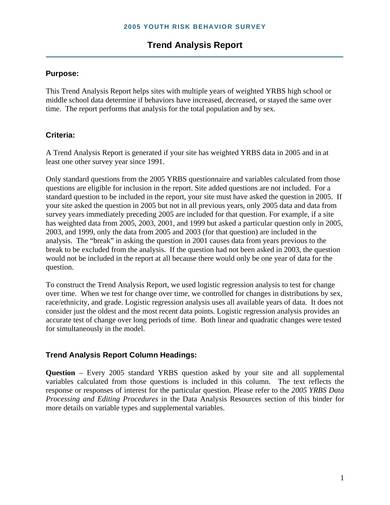
Trend analysis is no longer a simple observation; it’s a strategic imperative. Businesses and organizations alike are increasingly reliant on data-driven insights to understand shifting consumer behavior, market dynamics, and competitive landscapes. A robust trend analysis provides the foundation for informed decision-making, proactive adaptation, and ultimately, sustained success. This article will delve into the creation and utilization of a comprehensive Trend Analysis Report Template – a crucial tool for capturing, analyzing, and communicating valuable insights. The core of this template focuses on structuring data, identifying patterns, and translating those patterns into actionable recommendations. Trend Analysis Report Template is designed to be adaptable to various industries and business sizes, offering a flexible framework for continuous monitoring and evaluation. It’s more than just a document; it’s a roadmap for navigating the complexities of the modern market.
Understanding the Importance of Trend Analysis
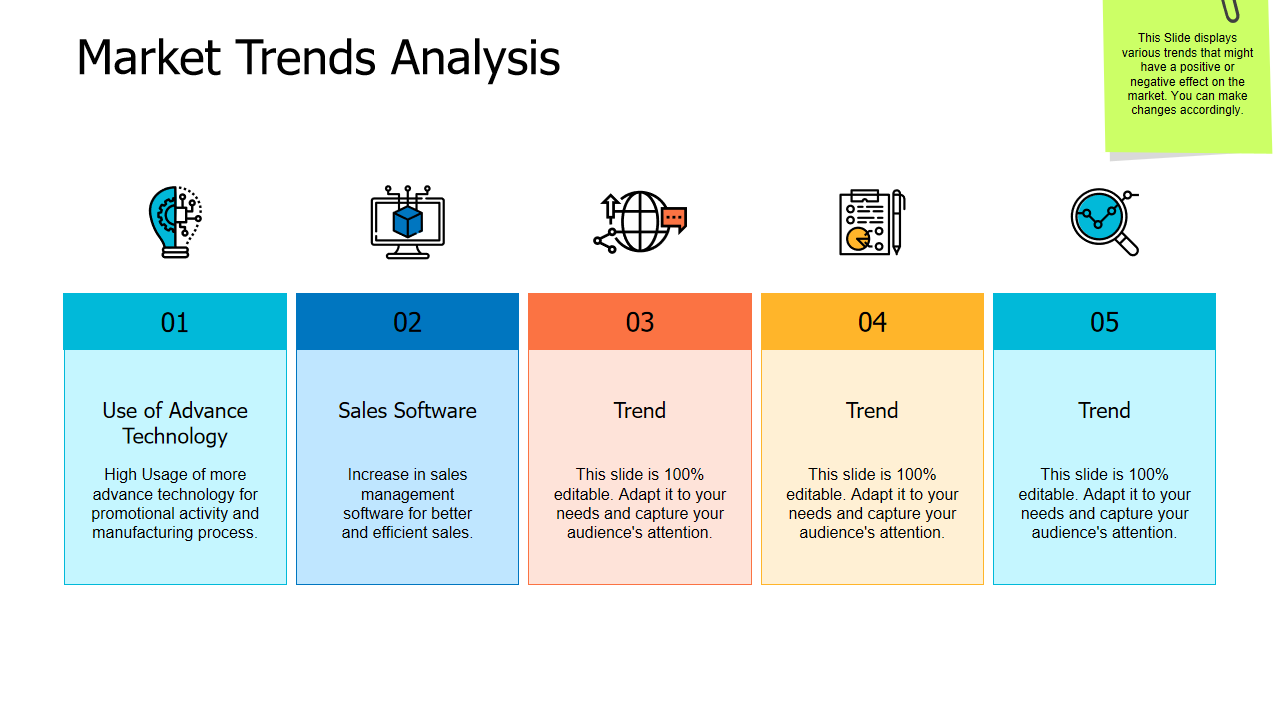
In today’s rapidly evolving world, trends are not static; they’re constantly shifting. Ignoring these shifts can lead to missed opportunities, outdated strategies, and ultimately, a competitive disadvantage. Trend Analysis Report Template provides a structured approach to proactively identify and understand these trends, allowing organizations to anticipate changes and respond effectively. The benefits extend far beyond simply identifying what’s happening; it’s about understanding why it’s happening and how it might impact your business. Consider the impact of social media algorithms, technological advancements, economic shifts, and even global events – all of these factors contribute to the ever-changing landscape. A well-executed trend analysis allows businesses to stay ahead of the curve, ensuring they remain relevant and competitive.
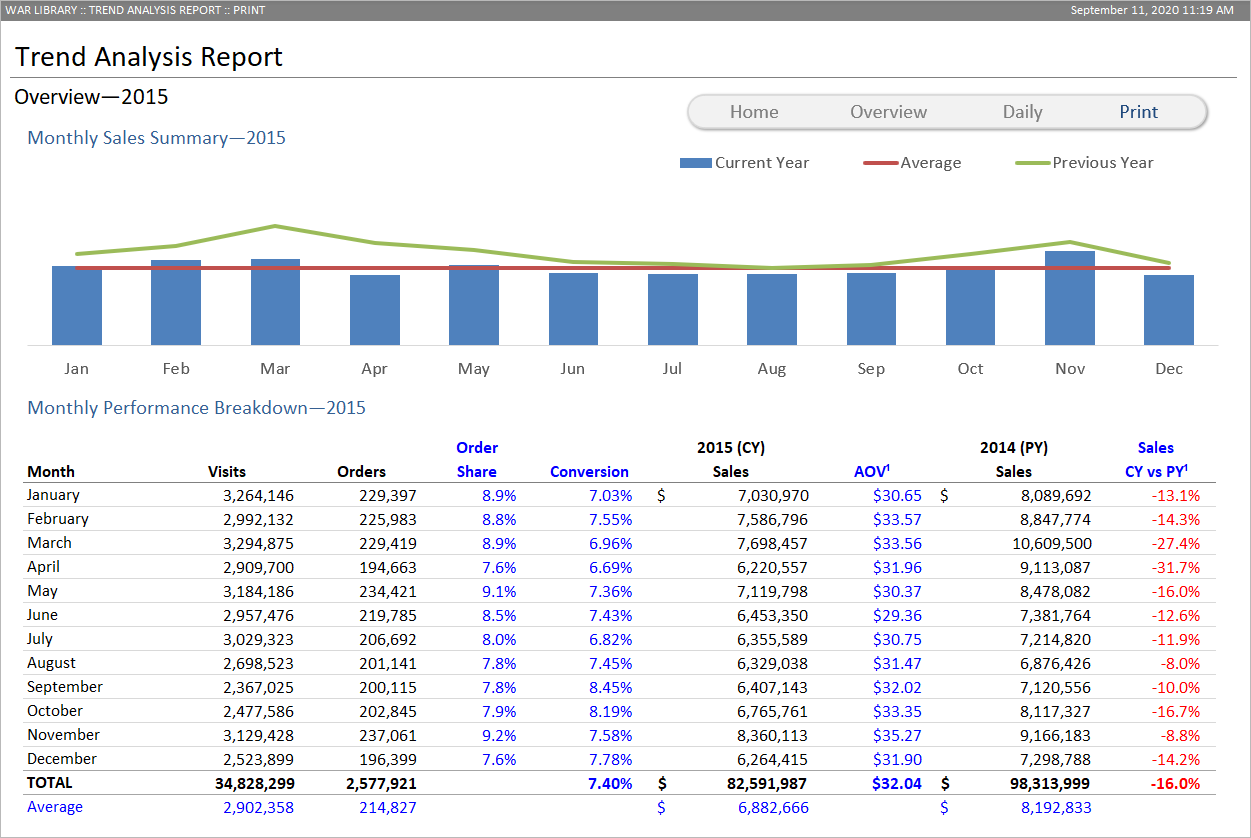
Core Components of a Trend Analysis Report Template
A truly effective Trend Analysis Report Template isn’t a rigid set of rules; it’s a flexible framework built around key elements. The template typically includes sections dedicated to data collection, analysis, visualization, and reporting. Let’s break down each component:

1. Executive Summary
The Executive Summary is arguably the most crucial section of the report. It provides a concise overview of the entire analysis, highlighting the key trends identified and their potential implications. It’s typically written after the data analysis is complete and should be accessible to stakeholders without requiring detailed technical knowledge. A strong Executive Summary should clearly articulate the overall trend and its significance. Trend Analysis Report Template emphasizes the importance of this initial section, as it’s often the first thing read by decision-makers.
2. Data Collection & Sources
This section details how the data was gathered. It’s vital to clearly outline the sources used – social media platforms, industry reports, market research databases, competitor analysis, internal data, and more. A detailed list of sources is essential for transparency and allows for independent verification of the data. Different data sources will yield different insights; understanding this diversity is key. Consider the reliability and validity of each source when evaluating the data. For example, relying solely on social media data might be misleading due to algorithmic biases.

3. Trend Identification & Categorization
This is the heart of the analysis. Here, you’ll systematically identify and categorize emerging trends. Techniques like keyword analysis, sentiment analysis, and network analysis can be employed to uncover patterns. Categorizing trends allows for a more nuanced understanding – for instance, you might have categories like “Digital Marketing Trends,” “Consumer Behavior Shifts,” or “Supply Chain Disruptions.” Using a consistent taxonomy for categorization will improve the clarity and usefulness of the report. Trend Analysis Report Template encourages a structured approach to this stage, promoting a systematic identification of patterns.
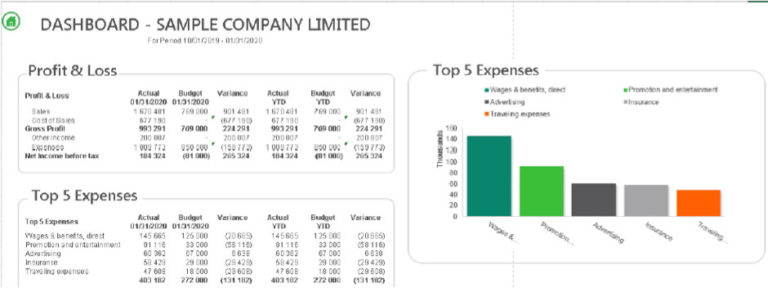
4. Trend Analysis & Visualization
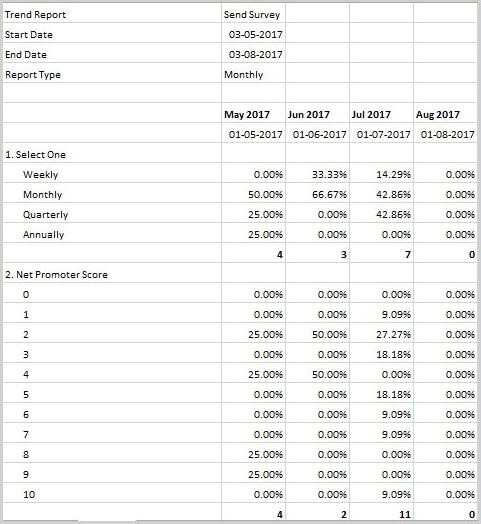
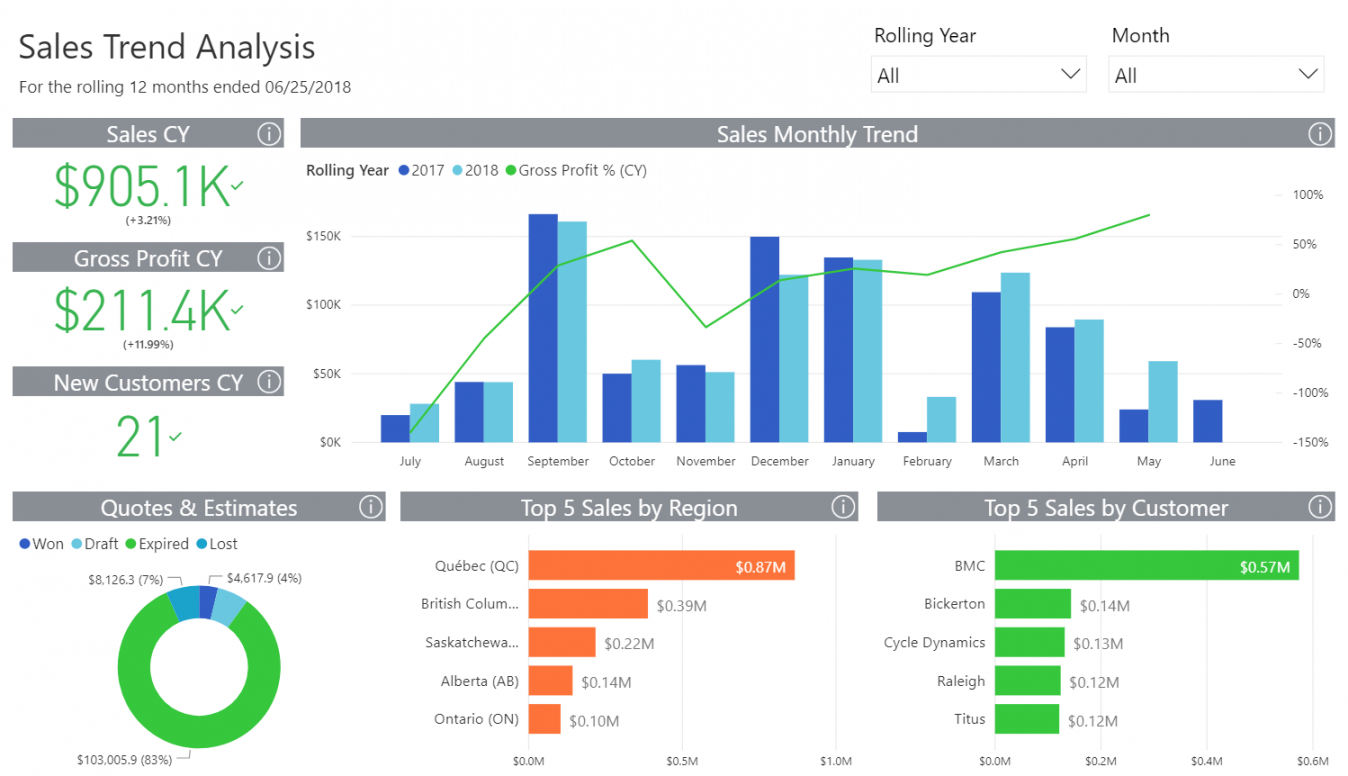
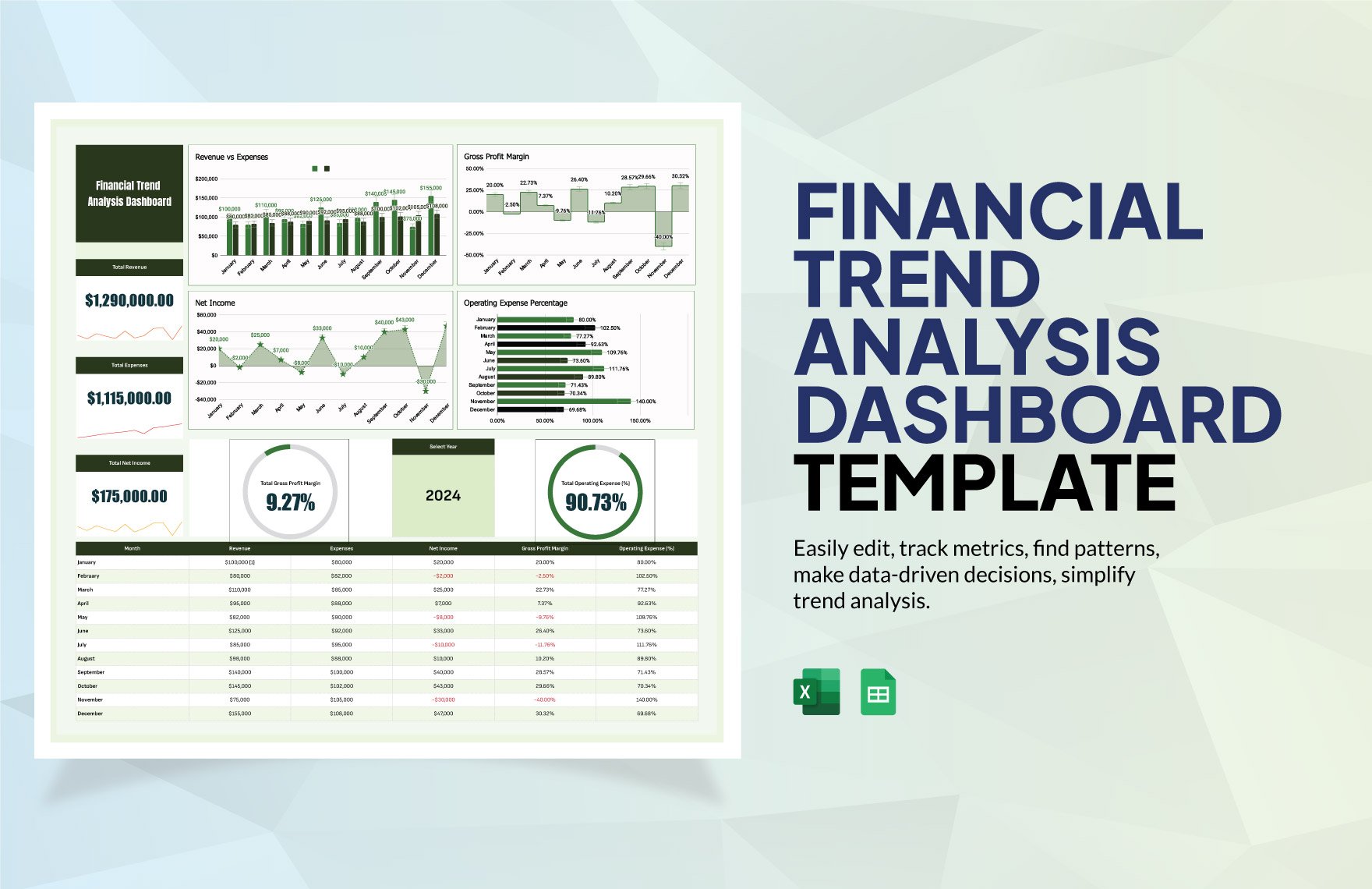
This section focuses on interpreting the data and presenting it visually. Charts, graphs, and dashboards are invaluable for communicating complex trends. Common visualization techniques include:
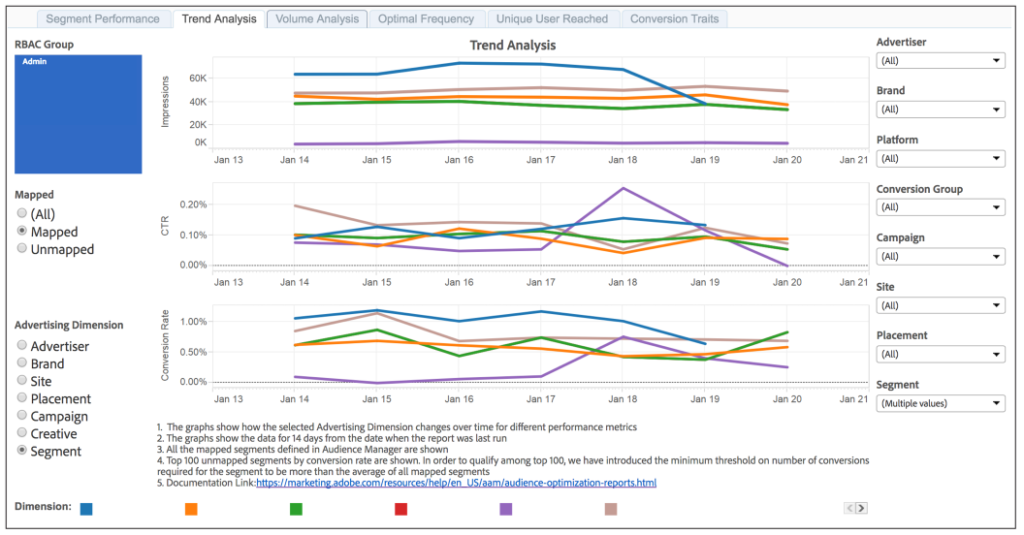
- Line Charts: To illustrate trends over time.
- Bar Charts: To compare different categories or segments.
- Pie Charts: To show proportions of a whole.
- Heatmaps: To visualize correlations between variables.
The goal is to present the data in a way that is easily understandable and highlights key insights. A well-designed visualization can dramatically improve the impact of the report.
5. Impact Assessment & Implications
This is where you translate the identified trends into actionable insights. It’s not enough to simply observe a trend; you need to understand why it’s occurring and what it means for your business. Consider the potential impact on:

- Market Share: How is the trend affecting your competitors?
- Customer Behavior: Are customers adopting new behaviors?
- Product Development: Can you adapt your products or services to meet changing needs?
- Marketing Strategies: How should you adjust your marketing campaigns?
Clearly articulating the implications of each trend is crucial for driving strategic decision-making.
6. Recommendations & Action Plan
Finally, the report should conclude with actionable recommendations. Based on the analysis, suggest specific steps that your organization can take to capitalize on opportunities and mitigate risks. These recommendations should be realistic, measurable, and aligned with your overall business goals. A well-defined action plan is essential for translating insights into tangible results. Trend Analysis Report Template emphasizes the importance of a proactive approach, moving beyond simply identifying problems to offering solutions.
Conclusion: The Power of Continuous Trend Monitoring
Trend analysis is not a one-time event; it’s an ongoing process. The market is constantly evolving, and businesses must remain vigilant in monitoring trends and adapting their strategies accordingly. A robust Trend Analysis Report Template provides the framework for consistently capturing, analyzing, and communicating these insights. By investing in a well-structured template and fostering a culture of continuous monitoring, organizations can gain a significant competitive advantage and ensure long-term success. The ability to anticipate change and respond effectively is now more critical than ever. Ultimately, a proactive approach to trend analysis empowers businesses to thrive in a dynamic and unpredictable world.
Further Resources
- [Link to a reputable trend analysis tool or platform]
- [Link to an article on effective data visualization]
- [Link to a guide on conducting a SWOT analysis]
0 Response to "Trend Analysis Report Template"
Post a Comment