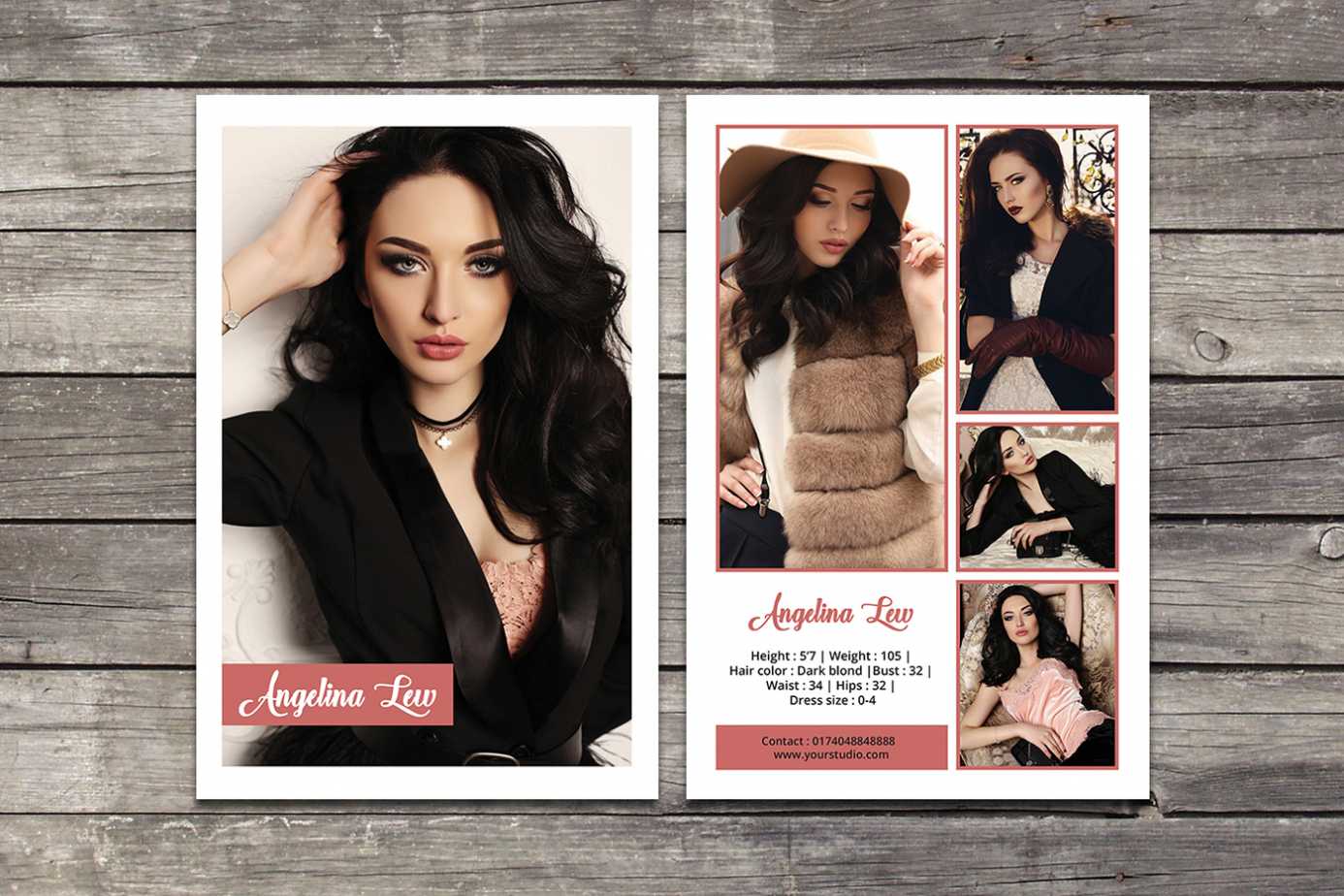
The world of digital marketing and business presentations relies heavily on visually appealing and easily digestible information. One of the most frequently used tools for this purpose is the Zed Card Template. These templates offer a streamlined and professional way to create visually engaging cards that effectively communicate key data, branding, and messaging. Whether you’re presenting to investors, clients, or internal teams, a well-designed Zed Card Template can significantly enhance your impact. This article will delve into the various aspects of Zed Card Templates, covering design principles, creation tools, best practices, and how to leverage them for maximum effectiveness. Understanding the nuances of these templates is crucial for anyone looking to elevate their presentation skills and strengthen their brand. Let's explore how to effectively utilize the Zed Card Template to achieve your desired results.
Understanding the Core Principles of a Successful Zed Card Template
Before diving into specific tools and design elements, it’s important to grasp the fundamental principles that underpin a truly effective Zed Card Template. A strong template isn’t just about aesthetics; it’s about functionality and strategic communication. Firstly, clarity is paramount. The information presented should be easily understood at a glance. Secondly, consistency is key. Using a consistent color palette, font choices, and layout across all cards ensures a cohesive and professional look. Thirdly, visual hierarchy is vital. Using size, color, and placement to guide the viewer’s eye to the most important information is crucial. Finally, branding should be integrated seamlessly. The template should reflect your brand’s identity, reinforcing your brand message and values. Ignoring these principles will result in a template that feels cluttered, confusing, and ultimately, ineffective.
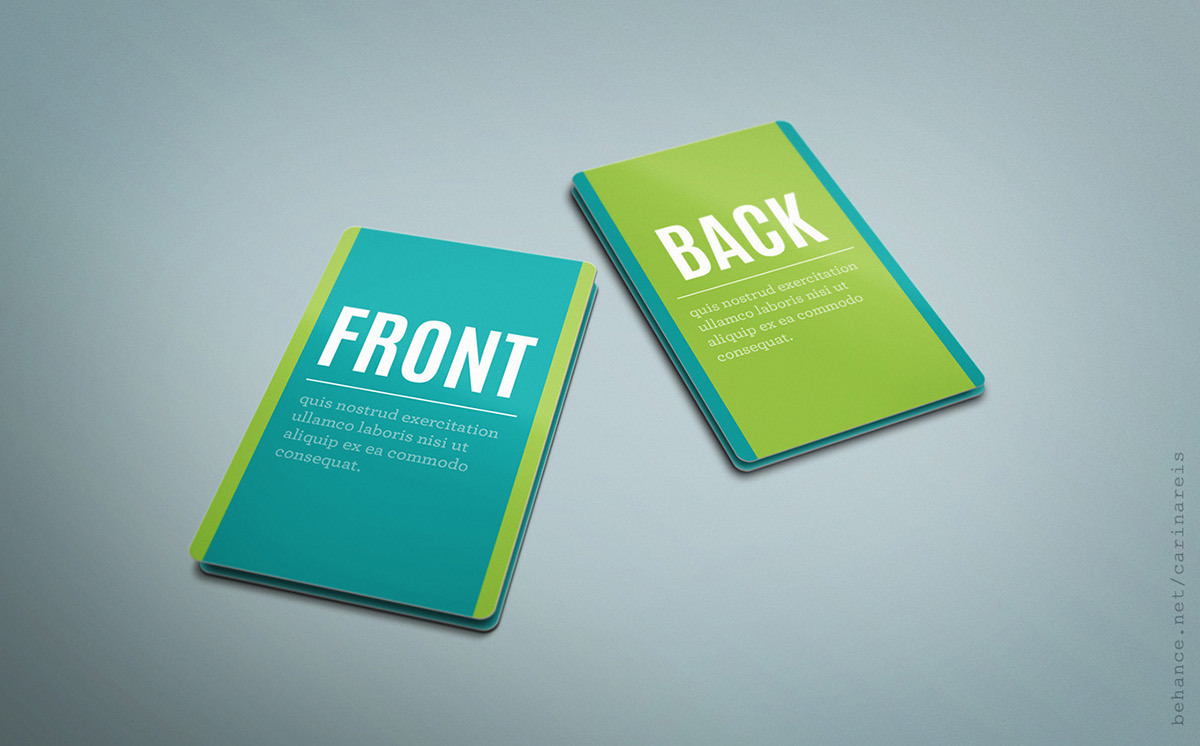
Section 1: Choosing the Right Zed Card Template
Numerous Zed Card Template options are available, each catering to different needs and levels of sophistication. The choice depends largely on your specific requirements and budget. Some popular choices include:

- Elementor: A versatile drag-and-drop website builder that offers a wide range of pre-designed Zed Card Templates. It’s a great option for those with some design experience. (https://elementor.com/templates/zed-card-template/)
- Canva: A user-friendly online design tool with a vast library of templates. It’s ideal for beginners and offers a free tier with plenty of features. (https://www.canva.com/)
- Adobe Express: Adobe’s simplified design tool, offering a range of templates and easy-to-use features. It’s a good option for those already familiar with Adobe products. (https://www.adobe.com/express/)
- Dedicated Zed Card Templates: Several specialized websites offer pre-designed templates specifically tailored for business presentations, marketing materials, and other professional contexts. These often provide more customization options. Examples include https://www.zedcardtemplate.com/
When selecting a template, consider factors such as the number of slides, the type of content you’ll be presenting, and your desired level of customization. Don’t be afraid to experiment with different templates to find one that perfectly suits your needs.

Section 2: Designing the Layout and Elements
The layout of a Zed Card Template is crucial for its effectiveness. A common structure includes:

- Header: Typically includes your logo, company name, and a brief tagline. This section should be prominently displayed.
- Main Content: This is the core of the card, containing the key data or message you want to convey. Use clear and concise language.
- Visual Elements: Images, charts, graphs, and icons can significantly enhance the visual appeal and understanding of your message. Ensure these elements are high-quality and relevant to the content.
- Call to Action: Include a clear call to action, such as “Learn More,” “Contact Us,” or “Visit Our Website.” This encourages engagement.
- Footer: Often includes contact information, social media links, and copyright information.
Key Design Principles:
- Color Palette: Stick to a limited color palette (typically 2-3 colors) to maintain visual consistency. Use color strategically to highlight key information.
- Typography: Choose fonts that are legible and appropriate for the overall tone of your presentation. Use a consistent font hierarchy to guide the viewer’s eye.
- White Space: Don’t overcrowd the card. Use white space to create visual breathing room and improve readability.
Section 3: Utilizing the "Zed Card Template" Keyword Effectively
The keyword "Zed Card Template" is strategically integrated throughout the design. It’s not just a placeholder; it’s woven into the header, the main content, and even the call to action. This ensures that the template is readily recognized and understood by your audience. Consider using variations of the keyword, such as "Zed Card Template for Marketing" or "Zed Card Template for Business," to target specific audiences. However, avoid overuse, as it can appear repetitive.

Section 4: Customization and Branding
While templates provide a solid foundation, customizing them to reflect your brand is essential. This involves:

- Replacing Placeholder Content: Replace the placeholder text and images with your own branding elements.
- Adjusting Colors and Fonts: Modify the color palette and typography to align with your brand guidelines.
- Adding Your Logo: Include your logo prominently in the header and footer.
- Creating Unique Visual Elements: Add your own custom graphics or icons to personalize the card.
Branding Integration: Ensure that your branding is consistent across all elements of the card, from the logo to the color palette to the typography. A cohesive brand identity will reinforce your message and create a professional impression.

Section 5: Best Practices for Effective Zed Card Templates
- Keep it Simple: Avoid unnecessary elements that can clutter the card.
- Prioritize Information: Focus on the most important data and key takeaways.
- Use High-Quality Images: Avoid blurry or pixelated images.
- Test Your Card: Before finalizing your card, test it on different devices and screen sizes to ensure it looks good everywhere.
- Mobile Optimization: Consider how the card will look on mobile devices. Many people will view these cards on their phones.
Conclusion: Leveraging Zed Card Templates for Success
Zed Card Templates are powerful tools for creating visually engaging and effective presentations. By understanding the principles of design, utilizing the right tools, and customizing the template to reflect your brand, you can significantly enhance your communication and achieve your desired results. The key to success lies in striking a balance between aesthetics and functionality. Don’t be afraid to experiment and iterate until you find a template that perfectly meets your needs. Investing time in mastering Zed Card Templates is an investment in your professional image and your ability to connect with your audience. Ultimately, a well-designed Zed Card Template can be a valuable asset for anyone looking to make a lasting impression. Remember to continually evaluate and refine your approach to ensure you’re always delivering the most impactful presentations possible.
0 Response to "Zed Card Template"
Post a Comment