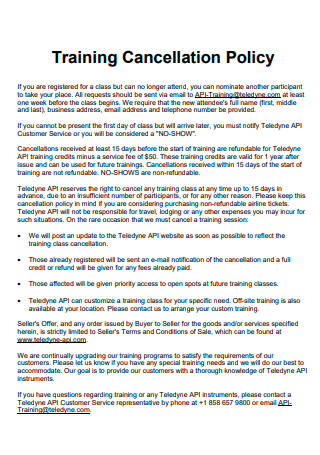
Navigating the complexities of client scheduling and ensuring a consistent income stream is a significant challenge for personal trainers. One of the most common hurdles encountered is the sudden cancellation or no-show, which not only disrupts your meticulously planned day but also impacts your bottom line. This is precisely why a well-defined Personal Training Cancellation Policy Template is not just a convenience, but an absolute necessity for any serious fitness professional.
A clear and enforceable cancellation policy acts as a mutual agreement, setting expectations for both the trainer and the client. It safeguards your time, energy, and financial stability, allowing you to focus on what you do best: helping clients achieve their fitness goals. Without such a policy, you risk losing valuable training slots and revenue, leading to frustration and potential burnout.

Implementing a robust cancellation policy communicates professionalism and respect for your time as a service provider. It empowers you to manage your schedule effectively, ensuring that every slot is utilized, either by the original client or through sufficient notice to allow for rescheduling or filling the spot. This proactive approach minimizes last-minute disruptions and helps maintain the integrity of your business operations.
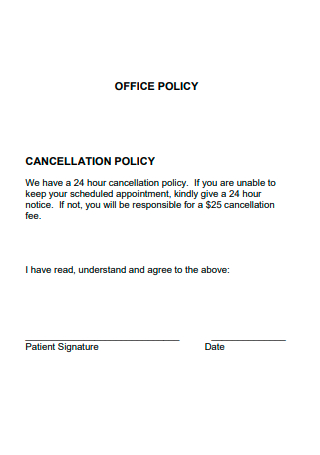
Beyond financial protection, a well-communicated policy fosters client accountability. When clients understand the consequences of late cancellations or no-shows, they are more likely to prioritize their appointments, leading to greater consistency in their training and, ultimately, better results. This positive feedback loop benefits everyone involved, strengthening the trainer-client relationship based on mutual respect and commitment.
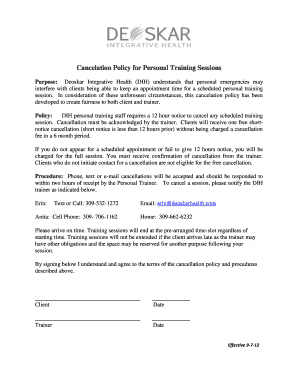
This article will guide you through the essential elements of creating, implementing, and customizing an effective cancellation policy. We’ll delve into the specifics that transform a basic document into a powerful tool for your personal training business, ensuring it's fair, clear, and supports your professional goals.
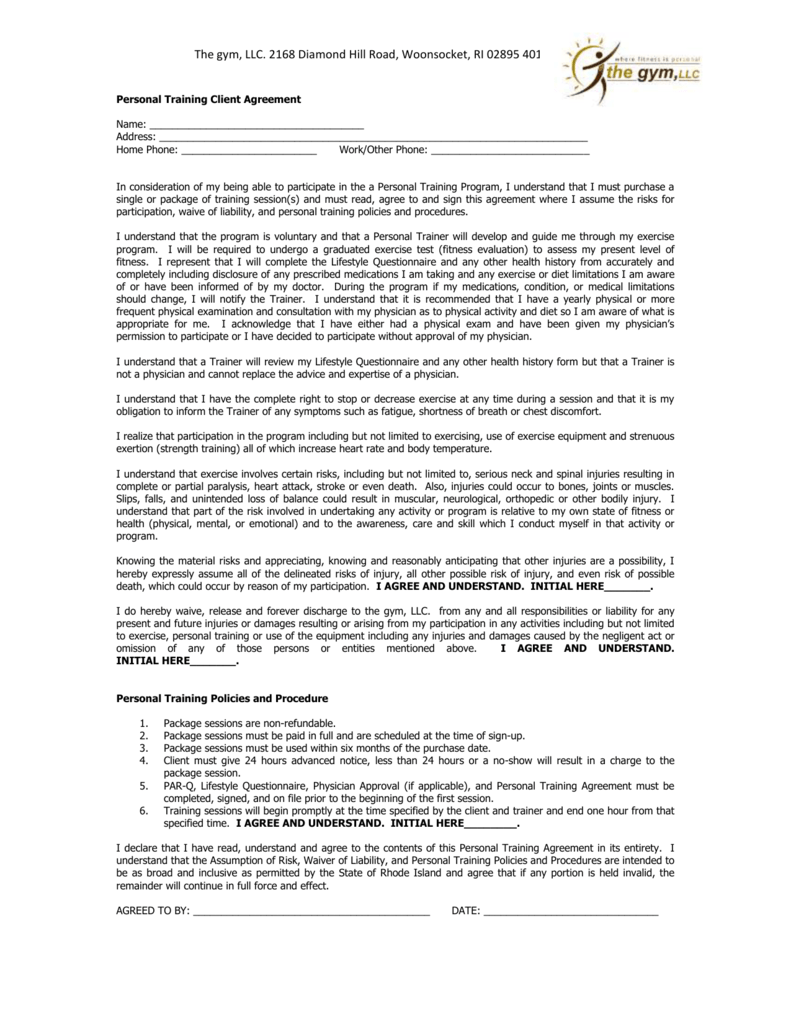
Why a Robust Cancellation Policy is Non-Negotiable for Personal Trainers
In the dynamic world of personal training, your time is your most valuable asset. Every hour booked represents potential income and a commitment to a client's progress. Cancellations and no-shows, while sometimes unavoidable, directly impact your earning potential and the efficiency of your business. A well-structured cancellation policy mitigates these risks, providing a framework for managing unforeseen circumstances.

Firstly, it protects your income. When a client cancels at the last minute or fails to show up, that time slot is often lost, resulting in lost revenue that cannot be easily recovered. A policy allows you to charge for these missed sessions, compensating you for the time you've set aside and the income you could have generated. Secondly, it demonstrates professionalism. A clear policy signals to clients that you value your time and expect the same in return. This elevates your standing as a serious business owner rather than someone whose schedule can be casually disregarded.
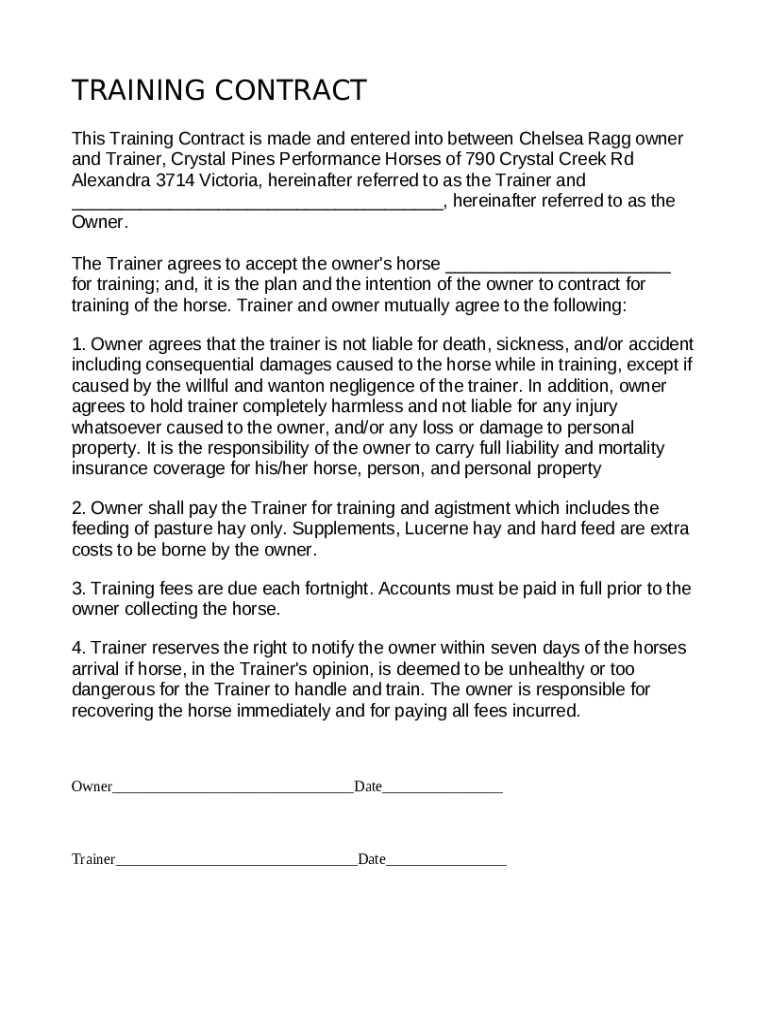
Furthermore, a cancellation policy fosters client accountability. When clients understand there are consequences for late cancellations, they are more likely to honor their commitments, which in turn leads to greater consistency in their training. This consistency is crucial for achieving fitness results, benefiting both the client and your reputation as a trainer. Lastly, it provides clarity and reduces ambiguity. By having a written policy, there’s no room for misinterpretation regarding what constitutes a late cancellation, a no-show, or the associated fees. This reduces potential conflicts and misunderstandings, creating a smoother client experience.
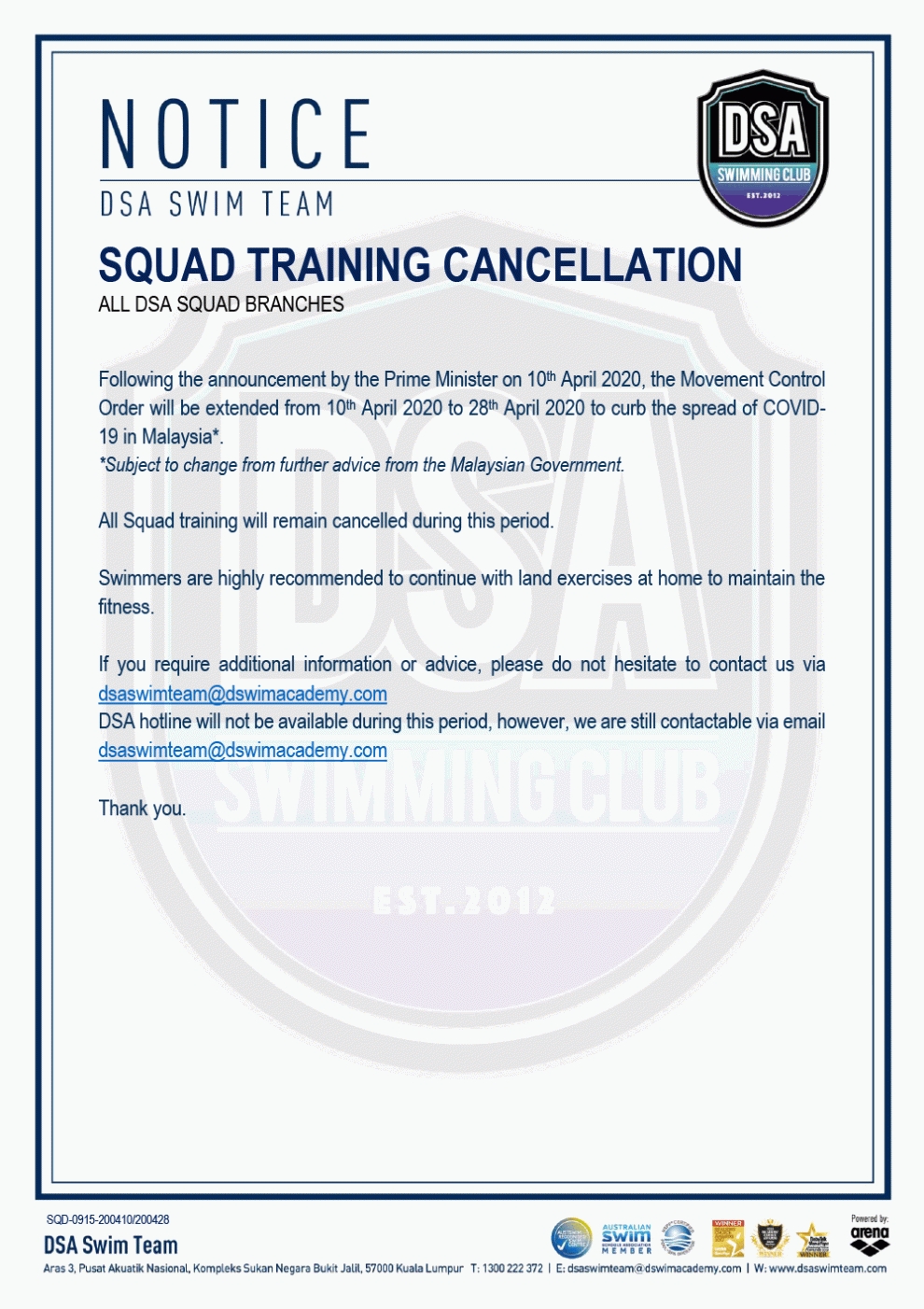
Essential Components of an Effective Personal Training Cancellation Policy Template
A strong cancellation policy is built on several key components that leave no room for guesswork. When developing your Personal Training Cancellation Policy Template, consider these core elements to ensure comprehensiveness and clarity.

Defining Notice Periods and Consequences
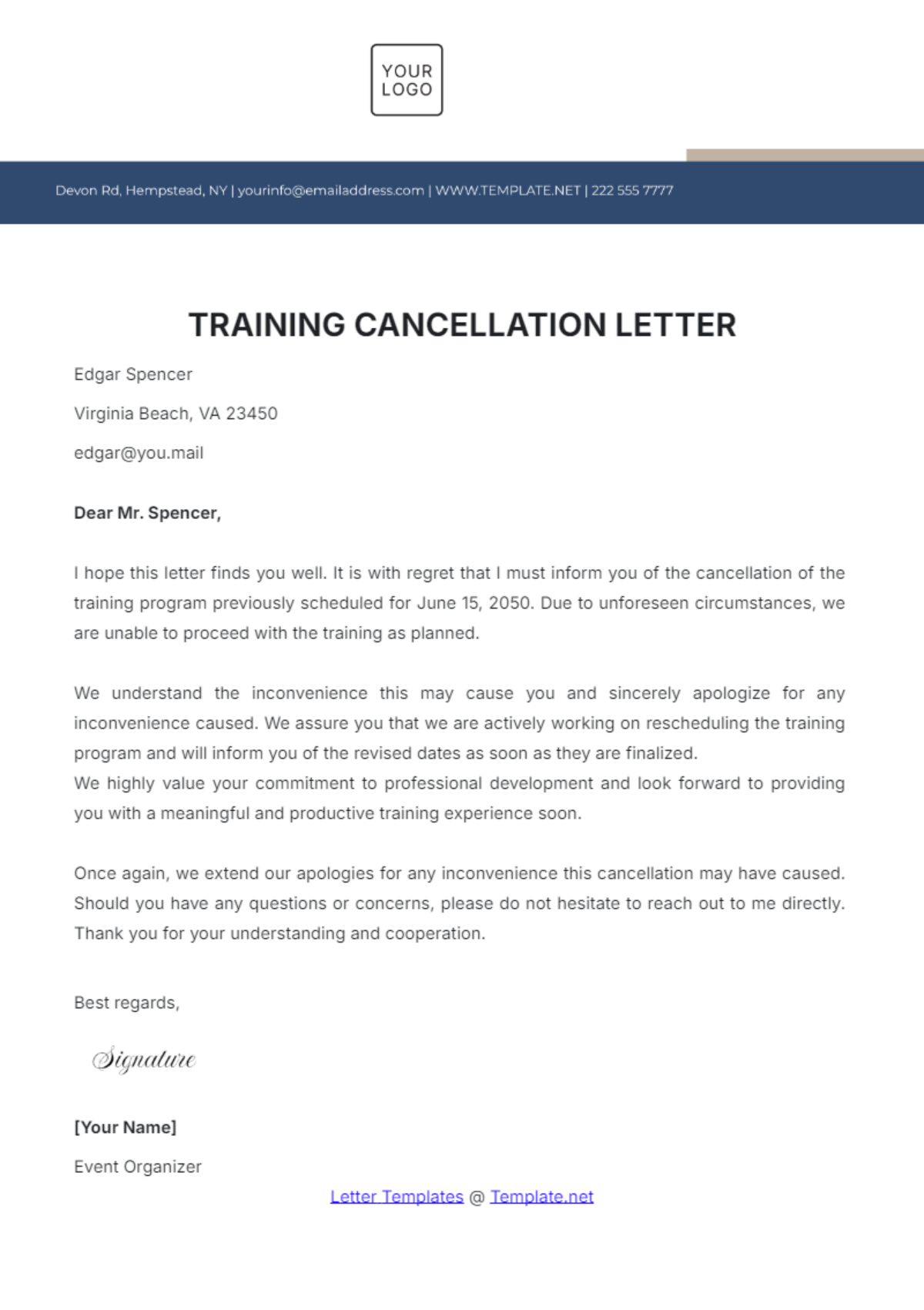
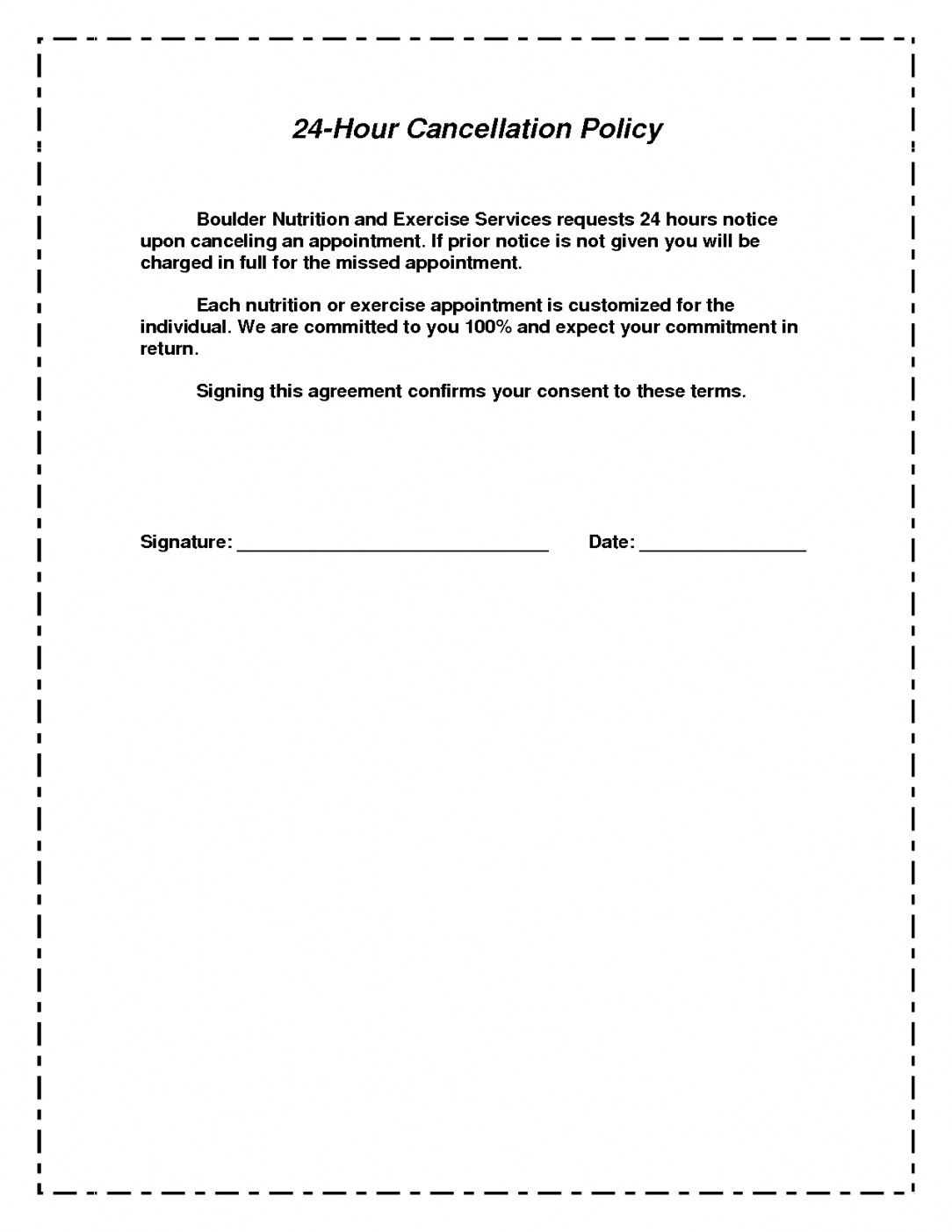
The cornerstone of any cancellation policy is the notice period. This specifies the minimum amount of time a client must give to cancel or reschedule an appointment without incurring a fee. The industry standard often ranges from 24 to 48 hours. Clearly state this period.

- Late Cancellation: Define what constitutes a late cancellation. For example, "Any cancellation made less than 24 hours prior to the scheduled session time will be considered a late cancellation."
- No-Show: Clearly define a no-show. "A no-show occurs when a client fails to attend a scheduled session without providing any prior notification."
- Consequences: For both late cancellations and no-shows, detail the specific consequences. This could include:
- Forfeiture of the session (i.e., the session is charged as if attended).
- A specific late cancellation fee (e.g., 50% of the session cost).
- Loss of one session credit from a package.
Specifying Communication Methods
How should clients communicate cancellations or rescheduling requests? This is critical to avoid disputes.
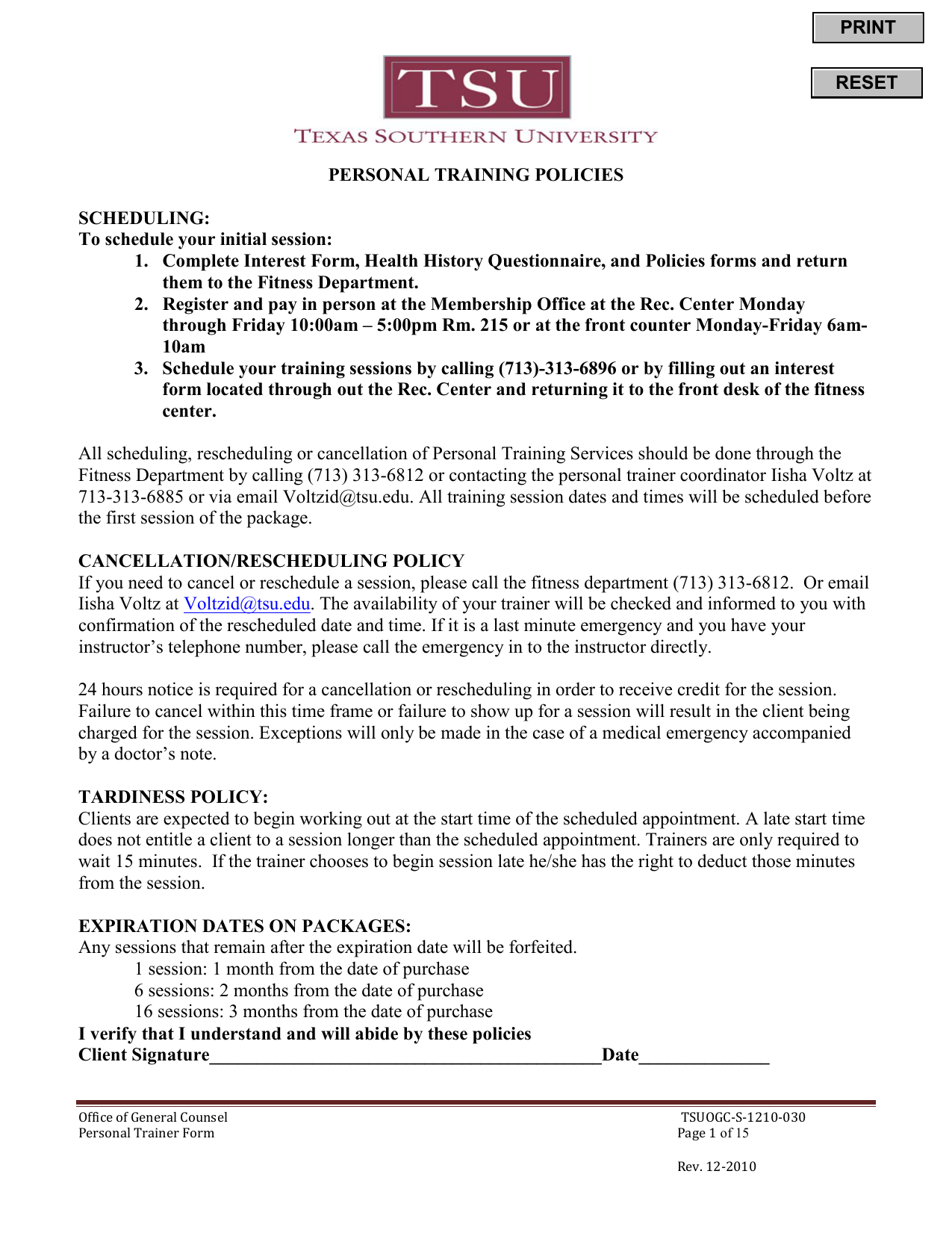
- Required Method: Specify the exact method: "All cancellations and rescheduling requests must be submitted via [e.g., text message to (XXX) XXX-XXXX, email to your@email.com, or through our online booking portal]."
- Confirmation: Advise clients to seek confirmation: "Please ensure you receive a confirmation of your cancellation to verify it was received." This protects both parties.
Handling Exceptions and Extenuating Circumstances
While the policy should be firm, it's also wise to acknowledge that genuine emergencies can occur.

- Emergency Clause: Consider a clause for genuine emergencies (e.g., sudden illness, family emergency). "We understand that unforeseen emergencies can arise. In such rare cases, please contact us as soon as possible to discuss potential arrangements. Exceptions are granted at the trainer's sole discretion."
- Documentation: You might request documentation for certain emergencies (e.g., doctor's note), though this can be optional and used judiciously.
Refund and Package Expiration Policy
If you sell training packages, clarify what happens to unused sessions.
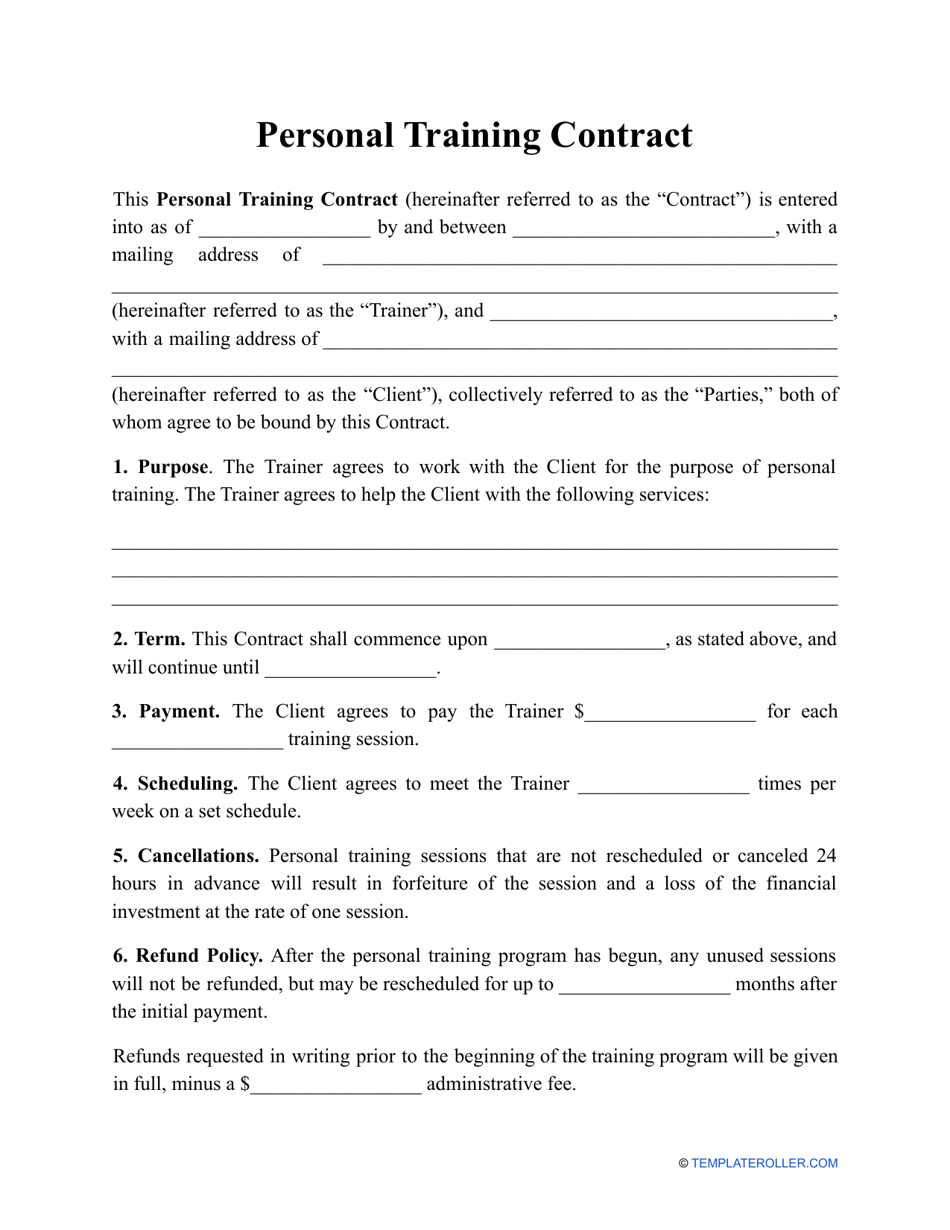
- Package Expiration: "All personal training packages have an expiration date of [e.g., 6 months] from the date of purchase. Unused sessions after this date will be forfeited."
- Refunds: "Refunds for unused sessions are generally not provided, though exceptions may be considered under specific circumstances [e.g., medical reasons with documentation] and at the discretion of [Your Business Name]."
Types of Personal Training Cancellation Policies
While a standard 24-hour notice is common, different business models and client demographics might benefit from variations in their Personal Training Cancellation Policy Template. Understanding these options allows you to choose the best fit for your specific operations.
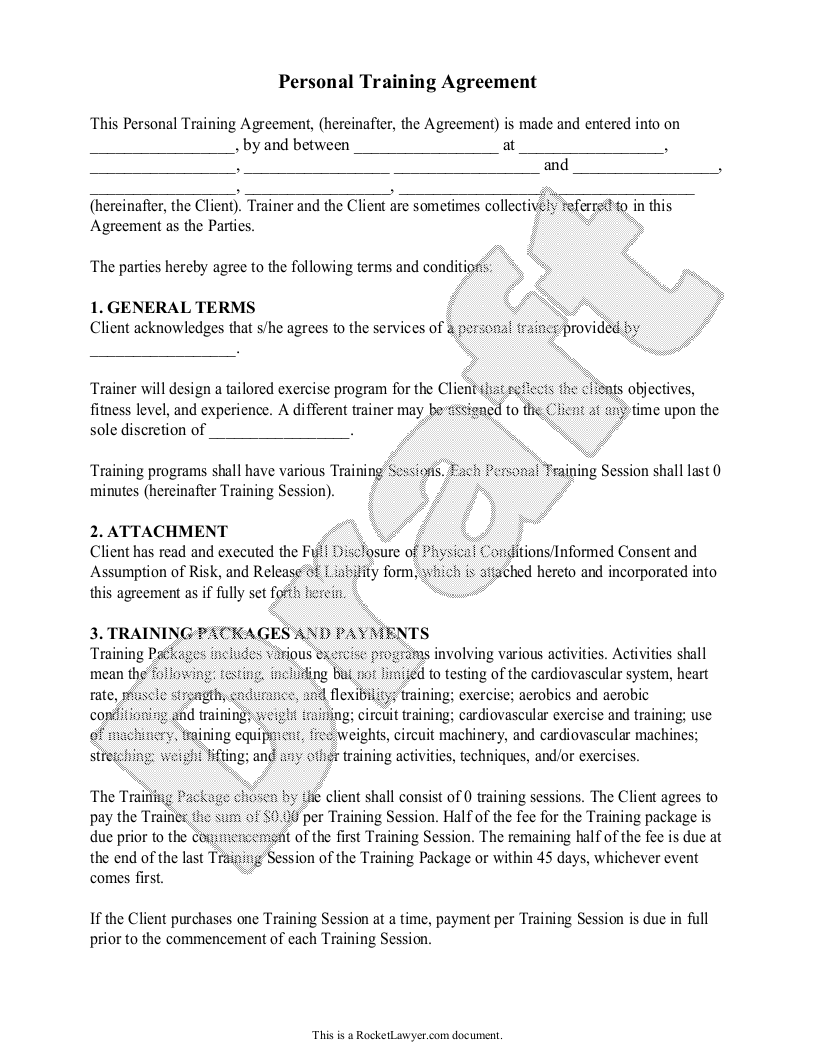
Standard 24-Hour Notice Policy
This is the most widely adopted policy. Clients must provide at least 24 hours' notice to cancel or reschedule without charge. If less than 24 hours' notice is given, the client is charged for the session or forfeits a session from their package.

- Pros: Easy to understand, provides reasonable time for trainers to adjust schedules or fill slots, and is widely accepted by clients in various service industries.
- Cons: Can sometimes feel rigid for clients with unpredictable schedules; may lead to client frustration if a genuine, sudden emergency occurs just within the 24-hour window.
Tiered or Sliding Scale Policy
This approach offers more flexibility but requires clearer communication. For example:
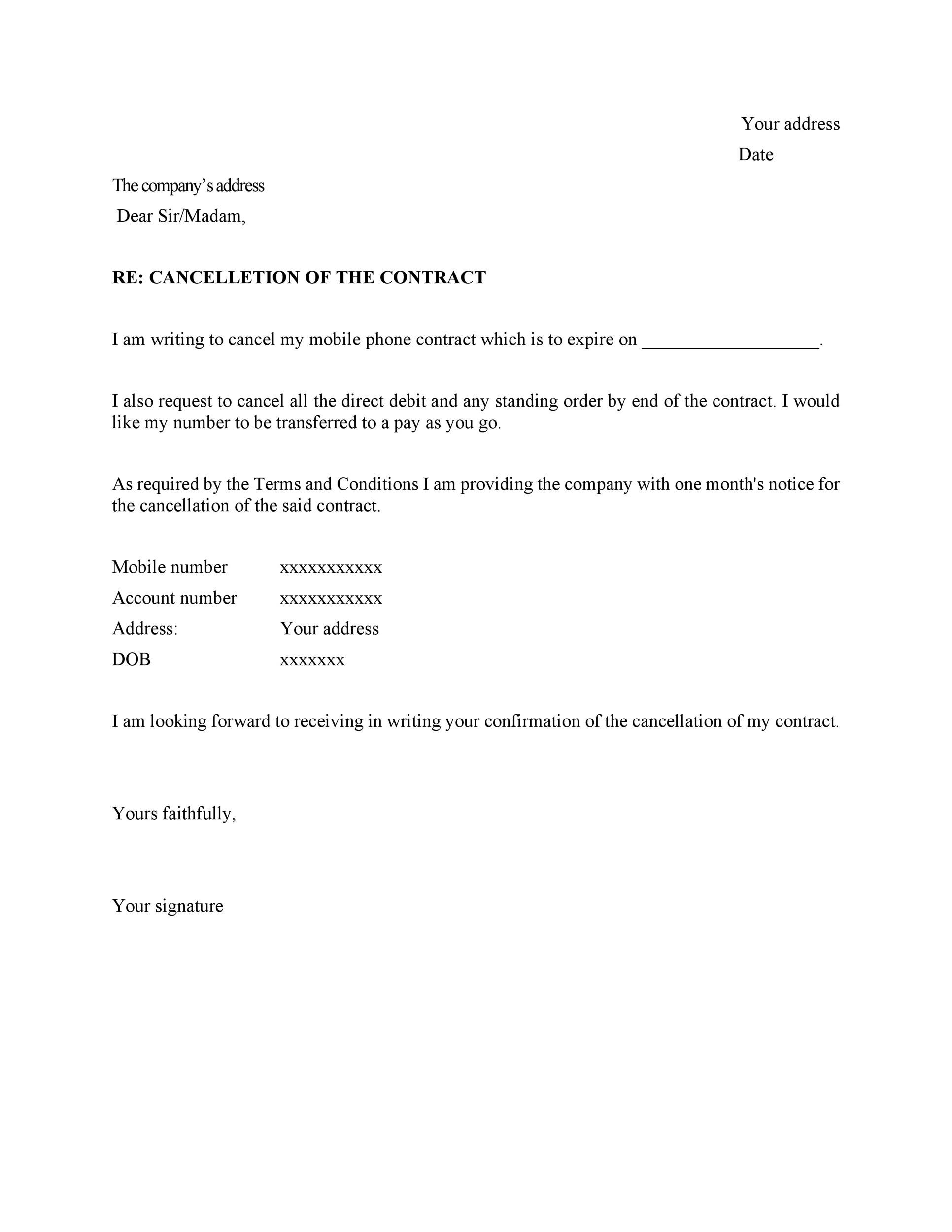
- 48+ Hours Notice: No charge.
- 24-48 Hours Notice: A reduced cancellation fee (e.g., 50% of the session cost) or partial session credit deducted.
Less than 24 Hours Notice/No-Show: Full session charge or forfeiture.
Pros: Offers clients a bit more grace, which can enhance client satisfaction and retention, particularly for those who appreciate flexibility.
- Cons: More complex to explain and administer; requires careful tracking of notice periods.
Strict No-Refund/No-Reschedule Policy (for specific packages/events)
This is a less common general policy but can be appropriate for specialized programs, workshops, or boot camps where attendance is critical and spots are limited. For these, once registered, the fee is non-refundable and sessions cannot be rescheduled, regardless of notice.
- Pros: Guarantees revenue for specialized offerings, ensures commitment from participants.
- Cons: Very rigid, can deter clients who value flexibility, not suitable for one-on-one personal training without specific exceptions.
Discretionary Policy with Standard Guidelines
This approach uses a standard policy (e.g., 24-hour) but emphasizes the trainer's discretion for genuine emergencies. The policy states the rules clearly but includes a line like, "We reserve the right to make exceptions for genuine emergencies on a case-by-case basis."

- Pros: Balances structure with empathy, allowing for flexibility when truly needed, potentially improving client relationships.
- Cons: Requires the trainer to consistently exercise good judgment; if not managed well, can lead to perceived favoritism or inconsistencies.
When choosing, consider your client base, your business volume, and your personal comfort level with flexibility versus strict adherence. The best policy is one you can consistently enforce and that supports the sustainable growth of your business.
Implementing and Communicating Your Policy Effectively
Having a meticulously crafted Personal Training Cancellation Policy Template is only half the battle; the other half is ensuring it's effectively implemented and communicated to your clients. A policy that isn't understood or visible might as well not exist.
When and Where to Communicate
The key is to communicate your policy early and often, making it unavoidable for clients to miss.
- Onboarding Process: This is the most crucial time.
- Client Agreement/Contract: Integrate your cancellation policy directly into your personal training contract. This makes it a legally binding part of your agreement. Ensure clients sign or digitally agree to it.
- Welcome Packet: Include a printed copy or link to the policy in any welcome materials for new clients.
- Verbal Discussion: During the initial consultation or first session, verbally walk through the key points of your policy, encouraging questions. Reinforce the "why" behind it (respect for time, commitment to results).
- Website and Booking Platform:
- Dedicated Page: Have a clear, easy-to-find page on your website outlining your policies.
- Booking Confirmation: Include a summary or a link to the full policy in all appointment confirmation emails and reminders. Many booking software platforms allow you to embed this automatically.
- Studio/Training Space: If you have a physical location, a concise summary of the policy displayed prominently (e.g., at the reception desk or on a bulletin board) can serve as a constant reminder.
Reinforcing the Policy
Consistent reinforcement helps embed the policy in clients' minds and sets a precedent.
- Automated Reminders: Use your booking system to send automated appointment reminders (e.g., 48 hours and 24 hours prior) that reiterate the cancellation notice period. "Reminder: Your session is in 24 hours. A 24-hour notice is required for cancellations or rescheduling to avoid a charge."
- Initial Notification of Charge: When a client incurs a cancellation fee, notify them politely but firmly. "Hi [Client Name], this is a reminder regarding your session scheduled for [Date] at [Time]. As we did not receive 24 hours' notice for cancellation, your session will be charged/forfeited according to our policy, which you agreed to on [Date of Agreement]."
- Leading by Example: Always be punctual and professional yourself. This reinforces the idea of mutual respect for time and commitment.
By making your policy visible, accessible, and consistently reinforcing it, you minimize misunderstandings and create a professional environment where everyone understands and respects the boundaries.
Customizing Your Personal Training Cancellation Policy Template
While a general Personal Training Cancellation Policy Template provides an excellent starting point, true effectiveness comes from customizing it to fit your unique business model, client base, and personal preferences. This isn't a one-size-fits-all document.
Tailoring to Your Business Model
Consider the specifics of how you operate:
- In-Person vs. Online Training: For online training, technology issues (e.g., internet outage) might warrant different considerations than a client stuck in traffic for an in-person session. Clarify expectations for connectivity.
- Package-Based vs. Pay-Per-Session: If clients buy packages, detail how forfeited sessions are handled (e.g., "one session will be deducted from your package"). For pay-per-session, specify the exact fee or billing method.
- Membership Models: If you run a membership that includes a certain number of sessions, clarify how missed sessions impact the monthly allowance or renewal.
- Special Programs/Workshops: As mentioned, these might require a much stricter "no refund/no reschedule" policy due to limited capacity and specific start dates.
- Mobile Training: If you travel to clients, factor in travel time and fuel costs. A last-minute cancellation might mean you've already spent time driving, which could justify a higher or specific cancellation fee.
Considering Your Client Demographic
Your client base can influence the leniency or strictness of your policy:
- Corporate Clients: Often have rigid schedules but also have backup plans or understanding for last-minute business needs.
- Parents with Young Children: Often face unpredictable last-minute changes due to childcare or illness. You might offer slightly more flexibility here if it aligns with your brand.
- Athletes/High Performers: Typically highly disciplined and respectful of schedules.
- Senior Clients: May have more unexpected health issues.
While consistency is vital, a blanket policy might need minor adjustments or a more empathetic approach for certain segments, always balancing fairness with business needs.
Reflecting Your Personal Brand and Values
Your policy should resonate with your overall brand image.
- Strict and Results-Oriented: A very firm policy might align with a high-performance, no-excuses brand.
- Supportive and Flexible: A policy with a clear emergency clause or slightly more lenient tiered system might suit a trainer focused on holistic wellness and empathy.
Finally, always consider seeking legal review for your customized policy, especially if you're introducing unique clauses or operating in a region with specific consumer protection laws. A legally sound policy protects both you and your clients. Remember, a template is a starting point; personalizing it makes it truly effective for your business.
Managing Exceptions and Difficult Situations
Even with the most perfectly crafted Personal Training Cancellation Policy Template, situations will arise that test its limits. How you handle exceptions and difficult conversations can significantly impact client relationships and your reputation.
Approaching Genuine Emergencies with Discretion
Life happens, and sometimes clients genuinely cannot make it due to unavoidable circumstances like sudden illness, family emergencies, or unexpected travel.
- Pre-defined Exceptions: You might list specific scenarios that might be exempt from your standard policy (e.g., "hospitalization, death in the immediate family").
- Case-by-Case Basis: Emphasize that exceptions are at your sole discretion. This prevents clients from assuming every "emergency" will be waived.
- Requesting Documentation: For recurring "emergencies," it's reasonable to politely request a doctor's note or other verification. This helps deter abuse of the exception clause.
- Building Goodwill: Sometimes, waiving a fee for a truly distressed client can build immense goodwill and loyalty that far outweighs the lost session revenue. Use this power judiciously.
Handling Clients Who Repeatedly Cancel Late or No-Show
This is where the policy needs to be enforced consistently.
- First Instance: Politely remind them of the policy and charge the fee. "We understand things happen, but as per our policy, the session will be charged." This sets a clear precedent.
- Second Instance: Reiterate the policy and express concern. "This is the second late cancellation/no-show. Our policy clearly states [consequence]. To ensure you get the most out of your training and to protect my schedule, we need to address this."
- Pattern of Behavior: If a client repeatedly violates the policy, it might be time for a direct conversation about their commitment.
- "It seems you're having trouble consistently making your sessions. Is there something we can do to adjust your schedule, or perhaps personal training isn't the right fit for you at this time?"
- You may need to suggest moving to a different package, adjusting their training frequency, or, in extreme cases, terminating the training agreement if their inconsistency makes it unviable for your business.
Addressing Pushback or Disagreement
Clients might try to negotiate or express displeasure about being charged.
- Stay Calm and Professional: Avoid getting emotional. Stick to the facts of the agreement they signed.
- Refer to the Policy: "As stated in the Personal Training Cancellation Policy you agreed to on [date], any cancellations within [notice period] are subject to [consequence]."
- Focus on Fairness: Explain that the policy is in place to be fair to all clients and to protect your ability to run a sustainable business. "This policy ensures that my time is respected, allowing me to serve all my clients effectively and maintain my business."
- Offer Alternatives (if appropriate): Sometimes offering to find an alternative slot within the valid cancellation window can show flexibility without breaking the policy. However, this is not an obligation for late cancellations.
Consistency, clear communication, and a balance of firmness with empathy are crucial for navigating these challenging situations successfully.
Conclusion
Implementing a clear, fair, and comprehensive Personal Training Cancellation Policy Template is an indispensable step for any personal trainer serious about building a sustainable and respectful business. It's more than just a piece of paper; it's a foundational document that defines professional boundaries, protects your income, and fosters accountability among your clientele. By setting clear expectations from the outset, you minimize misunderstandings, reduce financial losses, and maintain a consistent, productive schedule.
Throughout this guide, we've explored the critical components of such a policy, from defining notice periods and consequences to understanding different policy types and the importance of effective communication. Customizing your template to reflect your unique business model and client demographic ensures its relevance and enforceability, while a thoughtful approach to managing exceptions can strengthen client relationships without undermining your policies.
Ultimately, a well-executed cancellation policy contributes significantly to your professional image and the overall health of your personal training business. It allows you to dedicate your energy to transforming lives through fitness, secure in the knowledge that your time and efforts are valued and protected. Take the time to craft yours carefully, communicate it thoroughly, and enforce it consistently, and you’ll create a more stable and professional environment for both yourself and your clients.
0 Response to "Master Your Personal Training Cancellation Policy Template"
Post a Comment