
Story reports are becoming increasingly vital across various industries – from marketing and sales to project management and customer service. They provide a structured and objective way to document the progress, challenges, and outcomes of a project, campaign, or initiative. A well-crafted story report template ensures consistent communication, facilitates data-driven decision-making, and ultimately contributes to improved performance. This guide will delve into the key elements of a robust story report template, equipping you with the knowledge to create impactful reports that resonate with your audience. Story Report Template is more than just a document; it's a strategic tool for understanding and optimizing your efforts. The core principle is to present information clearly, concisely, and with a focus on actionable insights. Let's explore how to build a template that truly delivers value.
Understanding the Purpose of a Story Report
Before diving into the specifics of the template, it's crucial to understand why a story report is so important. It's not simply a summary of what happened; it's a narrative that explains why it happened, what was achieved, and what lessons were learned. Effective story reports help stakeholders understand the context behind the data, identify areas for improvement, and make informed decisions. They move beyond simply presenting numbers and offer a deeper understanding of the overall impact. A clear and compelling story is far more persuasive than a list of metrics. Consider the benefits: improved collaboration, increased accountability, and a stronger understanding of the business goals.
The Essential Components of a Story Report Template
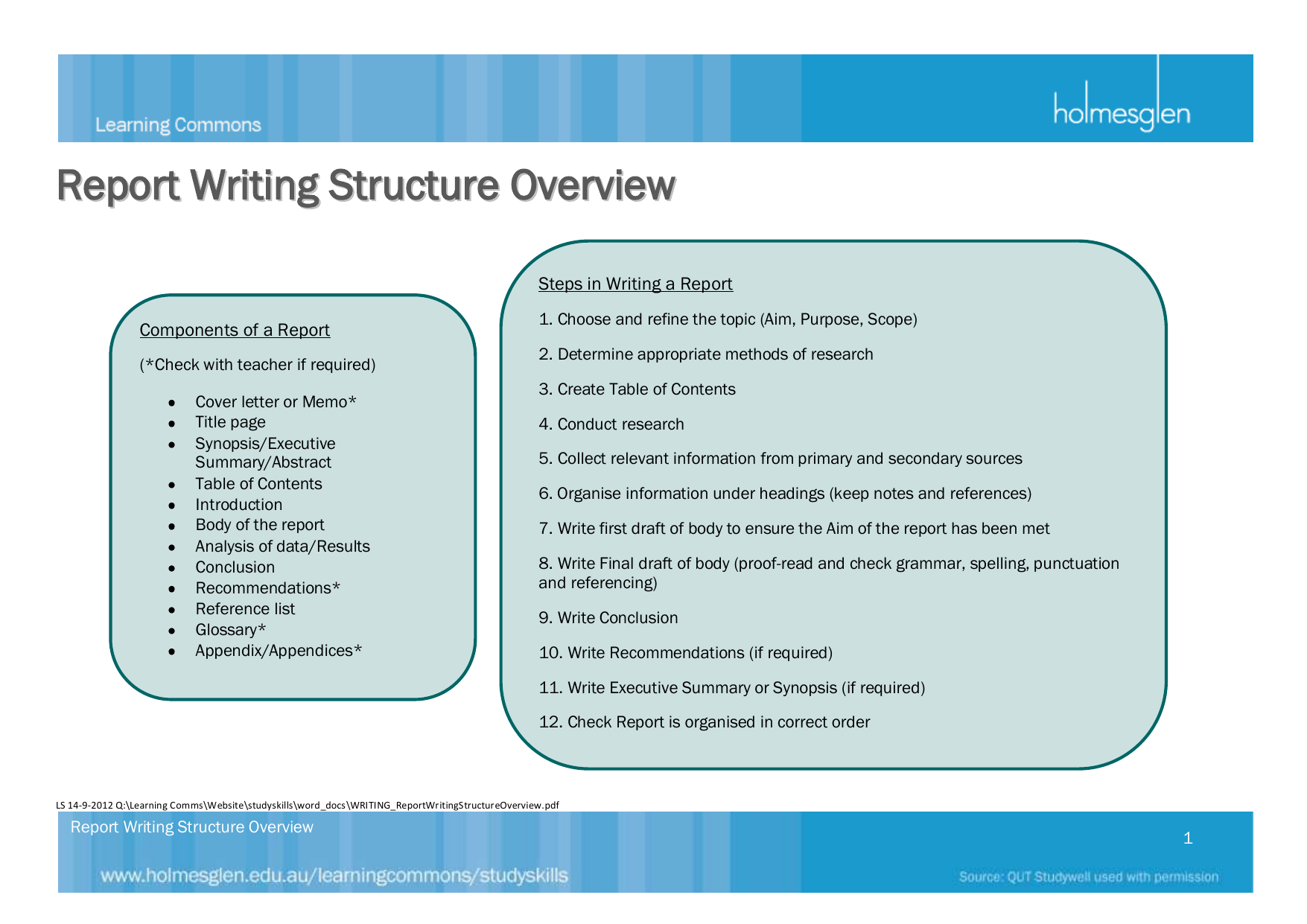
A well-designed story report template typically includes the following key sections:

- Executive Summary: This is the most crucial part of the report. It provides a high-level overview of the entire project or initiative, highlighting key achievements, challenges, and recommendations. It should be concise and easily digestible for busy stakeholders. Story Report Template emphasizes the need for a succinct executive summary.
- Project/Initiative Overview: Briefly describe the project or initiative being reported on. Include the goals, objectives, and scope. This section sets the stage for the rest of the report.
- Key Performance Indicators (KPIs): This section details the specific metrics used to measure success. These should be relevant to the project's goals and clearly defined. Examples include: website traffic, conversion rates, customer acquisition cost, and social media engagement. Choosing the right KPIs is critical for effective reporting.
- Timeline & Milestones: Present a visual timeline of key milestones and deadlines. This helps stakeholders understand the project's progress and potential delays. Using a Gantt chart or similar visual aid can be very effective.
- Challenges & Risks: Document any challenges encountered during the project and the risks associated with them. This demonstrates a proactive approach to problem-solving. Acknowledging challenges builds trust and shows you're not just focused on successes.
- Lessons Learned: This is a vital section for continuous improvement. Identify key takeaways from the project and document what you learned – both positive and negative. This information should be actionable and contribute to future projects.
- Recommendations: Based on the analysis, provide specific recommendations for improvement. These should be actionable and tied back to the lessons learned.
- Appendix (Optional): Include supporting data, charts, and graphs that are not essential to the main body of the report.
Detailed Section Breakdown – A Focus on the Story Report Template
Let's examine each section in more detail, illustrating how to incorporate the Story Report Template principles:
1. Executive Summary:
The executive summary should be approximately 200-300 words. It should immediately capture the reader's attention and highlight the most important findings. Start with a brief overview of the project, followed by a summary of key achievements, challenges, and recommendations. Use strong action verbs to convey a sense of impact. For example: "This report details the successful launch of the new mobile app, resulting in a 15% increase in user engagement and a 10% boost in sales." This is a prime example of how to leverage the Story Report Template to deliver a concise and impactful overview.
2. Project Overview:
Clearly define the project's purpose, scope, and objectives. What problem were you trying to solve? What were you trying to achieve? A well-defined project overview provides context for the entire report. Consider adding a brief description of the target audience for the report. This section should be easily understandable for stakeholders who may not be familiar with the project details.
3. Key Performance Indicators (KPIs):
Select KPIs that directly relate to the project's goals. Don't just list numbers; explain why these metrics are important. For example, instead of simply stating "Website traffic increased," state "Website traffic increased by 20% due to the implementation of the new SEO strategy, leading to a 5% increase in lead generation." Consider using a dashboard to visualize KPIs. The Story Report Template encourages a focus on impact rather than just raw data.
4. Timeline & Milestones:
Present a visual timeline using a Gantt chart or similar tool. Clearly indicate key milestones and deadlines. Highlight any potential delays or roadblocks and explain the steps being taken to mitigate them. This demonstrates proactive management and a commitment to delivering on time. The Story Report Template emphasizes the importance of clear timelines and accountability.
5. Challenges & Risks:
Document any challenges encountered during the project. Be honest and transparent about the obstacles you faced. Describe the impact of these challenges on the project's timeline and budget. Don't shy away from acknowledging risks – this shows you're prepared for potential problems. A well-documented risk register is a valuable addition to the Story Report Template.
6. Lessons Learned:
This is arguably the most important section. After the project is complete, take the time to reflect on what you learned. Identify key takeaways and document them in a clear and concise manner. These lessons should be actionable and contribute to future projects. Consider using a SWOT analysis (Strengths, Weaknesses, Opportunities, Threats) to structure this section. The Story Report Template encourages a post-project review and continuous improvement.
7. Recommendations:
Based on the analysis, provide specific recommendations for improvement. These recommendations should be actionable and tied back to the lessons learned. Prioritize recommendations based on their potential impact and feasibility. Clearly articulate the expected benefits of implementing each recommendation.
8. Appendix (Optional):
Include supporting data, charts, and graphs that are not essential to the main body of the report. This could include raw data, survey results, or detailed analysis.
Conclusion: The Power of a Well-Crafted Story Report
A well-structured and thoroughly documented story report is an invaluable asset for any organization. It provides a clear and concise way to communicate project progress, challenges, and lessons learned. By following the principles outlined in this guide, you can create a story report template that effectively captures the essence of your work and drives positive results. Remember that the goal is not just to present data, but to tell a compelling story that informs and inspires. The Story Report Template provides a framework for achieving this. Continuous refinement and adaptation based on stakeholder feedback are key to ensuring its continued effectiveness. Ultimately, a strong story report empowers stakeholders to make informed decisions and drive meaningful change.
0 Response to "Story Report Template"
Post a Comment