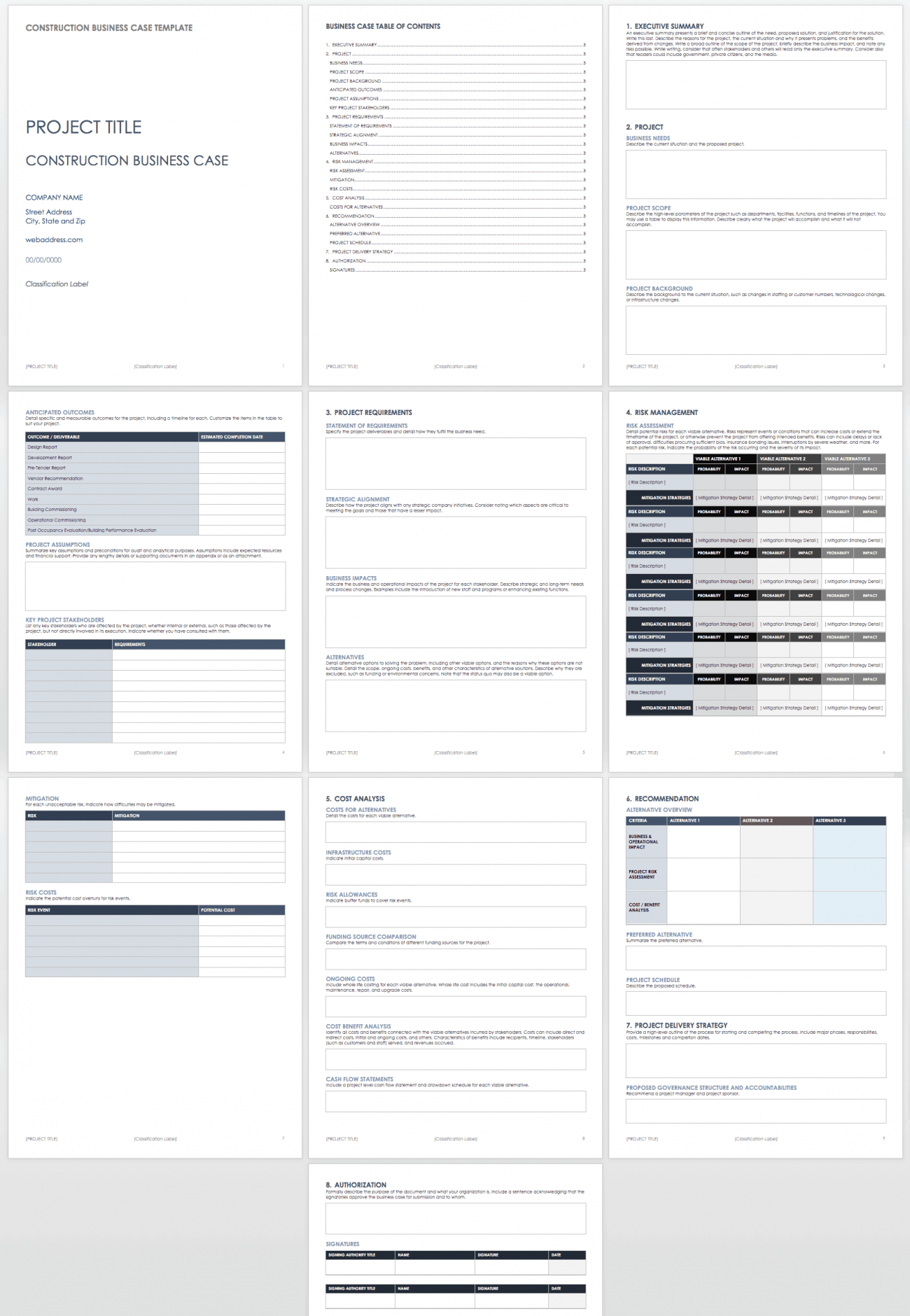
The world of business is constantly evolving, demanding strategic thinking and data-driven decision-making. Organizations are increasingly relying on robust business case templates to navigate complex challenges, assess opportunities, and secure investment. A well-crafted business case template isn't just a formality; it's a critical tool for aligning stakeholders, quantifying potential returns, and ultimately, driving successful outcomes. This article will delve into the essential components of a robust business case template, exploring its purpose, key elements, and how to tailor it to specific needs. Understanding and utilizing a strong business case template is a significant investment for any organization seeking to optimize its operations and achieve its strategic goals. Mckinsey Business Case Template – a powerful framework for strategic planning and investment evaluation. It's more than just a document; it's a roadmap for success.
The rise of data analytics and sophisticated modeling techniques has dramatically increased the importance of business case templates. Traditionally, these were often simple spreadsheets, but today's templates are dynamic, incorporating advanced analytics and visualization tools. They're designed to be adaptable, allowing for iterative refinement based on ongoing research and feedback. A thoughtfully designed template streamlines the process, reducing wasted time and increasing the likelihood of a successful outcome. The core purpose of a business case template is to provide a clear, objective, and persuasive argument for a proposed initiative, ensuring that all stakeholders are aligned on the project's goals, scope, and potential benefits. Without a solid template, organizations risk misaligned efforts, wasted resources, and ultimately, failure to achieve their objectives. Investing in a well-structured template is an investment in future success.
Defining the Purpose of a Business Case Template
A business case template serves several crucial functions. Firstly, it establishes a shared understanding of the problem or opportunity being addressed. It forces stakeholders to articulate the 'why' behind the proposed solution, moving beyond simply stating 'we need to do this.' Secondly, it quantifies the potential benefits – both tangible and intangible – of the initiative. This includes projected revenue increases, cost savings, improved efficiency, enhanced brand reputation, and reduced risk. Thirdly, it outlines the key risks and challenges associated with the project, allowing for proactive mitigation strategies. Finally, it provides a framework for evaluating the feasibility and return on investment (ROI) of the proposed solution. A clear and comprehensive template ensures that the decision-making process is transparent and based on objective data. The template acts as a central repository of information, facilitating informed discussions and promoting collaboration.
Key Components of a Business Case Template
A typical business case template includes several key sections, each contributing to a comprehensive assessment of the proposed initiative. Let's examine some of the most important elements:
1. Executive Summary
The Executive Summary is arguably the most crucial section, as it's often the first thing read by decision-makers. It provides a concise overview of the entire business case, highlighting the problem, proposed solution, key benefits, and estimated ROI. It should be compelling and persuasive, capturing the reader's attention and motivating them to delve deeper. Mckinsey Business Case Template emphasizes the importance of a strong Executive Summary – it's the 'hook' that will draw the reader in. A poorly written Executive Summary can significantly undermine the entire case.
2. Problem Statement & Opportunity
This section clearly defines the problem or opportunity that the business case addresses. It should be detailed, providing context and illustrating the negative consequences of inaction. It's not enough to simply state the problem; the document should explain why it's a problem – what are the current inefficiencies, risks, or missed opportunities? Quantifying the problem with data – such as lost revenue, increased costs, or declining market share – strengthens the argument. Furthermore, it should clearly articulate the opportunity that the initiative seeks to capitalize on. This section should be supported by market research, industry trends, and competitive analysis.
3. Proposed Solution
This section details the proposed solution to the identified problem or opportunity. It should clearly explain how the initiative will be implemented and what specific actions will be taken. It's important to outline the key components of the solution, including technology, processes, and personnel involved. A well-defined solution should be practical, feasible, and aligned with the organization's strategic goals. Consider including a visual representation, such as a flowchart, to illustrate the proposed workflow.
4. Detailed Analysis & Methodology
This section provides a thorough analysis of the potential impact of the initiative. It includes a review of relevant data, industry benchmarks, and best practices. It's crucial to demonstrate the methodology used to arrive at the conclusions drawn in the business case. This might involve using statistical modeling, market research, or expert interviews. Transparency in the methodology builds credibility and allows stakeholders to assess the robustness of the analysis. This section is particularly important when incorporating external data or relying on expert opinions.
5. Financial Projections & ROI
This is arguably the most important section for securing investment. It includes detailed financial projections, including estimated costs, revenues, and profitability. The projections should be realistic and supported by data, and they should be presented in a clear and concise manner. The ROI calculation should be clearly articulated, outlining the expected financial benefits and the time required to achieve them. Sensitivity analysis, which examines how changes in key assumptions impact the ROI, is highly recommended. Mckinsey Business Case Template stresses the need for a robust and well-supported financial model.
6. Risk Assessment & Mitigation
This section identifies potential risks and challenges associated with the project and outlines strategies for mitigating those risks. It's important to acknowledge potential downsides and demonstrate that the organization has considered these factors. A proactive risk assessment demonstrates foresight and a commitment to addressing potential problems. Common risks include technological failures, regulatory changes, and market volatility. Clearly defined mitigation plans are essential for minimizing the impact of these risks.
7. Implementation Plan & Timeline
This section outlines the steps required to implement the proposed solution, including timelines, resource allocation, and key milestones. It provides a clear roadmap for execution, ensuring that the project stays on track. A realistic timeline is crucial for managing expectations and avoiding delays. Consider using a Gantt chart to visually represent the implementation plan.
The Role of Data Analytics in a Business Case Template
Modern business case templates are increasingly incorporating data analytics tools. These tools allow for the integration of real-time data, predictive modeling, and scenario analysis. For example, data visualization tools can be used to present complex data in a clear and concise manner, making it easier for stakeholders to understand the key insights. Statistical software can be used to perform more sophisticated analysis and generate more accurate forecasts. Furthermore, machine learning algorithms can be used to identify patterns and trends in data that might not be apparent through traditional analysis. The use of data analytics enhances the credibility and effectiveness of the business case, providing a more robust and informed basis for decision-making.
Tailoring the Business Case Template to Specific Needs
While the core components of a business case template remain consistent, it's important to tailor the template to the specific needs of the organization and the project at hand. For example, a technology-driven project might require more detailed technical specifications, while a project involving human resources might benefit from a more comprehensive analysis of employee turnover and productivity. Consider the industry, the size of the organization, and the complexity of the project when designing the template. A flexible template that can be easily adapted to different situations is invaluable.
Conclusion
A well-structured business case template is an indispensable tool for organizations seeking to make informed decisions and achieve strategic goals. It provides a clear, objective, and persuasive framework for assessing opportunities, quantifying potential benefits, and mitigating risks. By incorporating the key components outlined in this article, organizations can significantly improve their chances of success. Investing in a robust business case template is an investment in future growth and competitive advantage. The continued evolution of data analytics and modeling techniques further strengthens the importance of a dynamic and adaptable template. Ultimately, a thoughtfully designed business case template empowers organizations to navigate complexity, seize opportunities, and achieve lasting success. Mckinsey Business Case Template remains a cornerstone of strategic planning, consistently delivering valuable insights and driving impactful outcomes.
0 Response to "Mckinsey Business Case Template"
Post a Comment