Effective meeting minutes are more than just a list of who said what. They're a crucial tool for project management, decision-making, and overall team communication. A well-structured meeting agenda and accompanying minutes ensure everyone is on the same page, clarifies action items, and provides a valuable record of discussions. Templates For Minutes Of Meetings And Agendas are readily available, simplifying the process of capturing and sharing these essential documents. Whether you're a seasoned project manager or a new team member, having a reliable system for documenting meetings is invaluable. This article will explore the benefits of using templates, different types of templates, and how to effectively utilize them to streamline your meeting processes. Let's dive in!
The importance of clear and concise meeting minutes cannot be overstated. They serve as a vital reference point for future discussions, allowing team members to quickly recall key decisions, action items, and outcomes. Without proper documentation, misunderstandings can arise, projects can stall, and overall productivity suffers. Investing time in creating and maintaining effective meeting minutes demonstrates professionalism and a commitment to clear communication. Furthermore, they provide a documented audit trail, which is particularly important for regulatory compliance or legal proceedings. Ultimately, well-crafted minutes contribute to a more efficient and collaborative work environment.
Understanding the Benefits of Templates
Choosing the right template is the first step towards creating effective meeting minutes. There's a vast array of templates available, each tailored to different meeting types and organizational needs. Some popular options include:
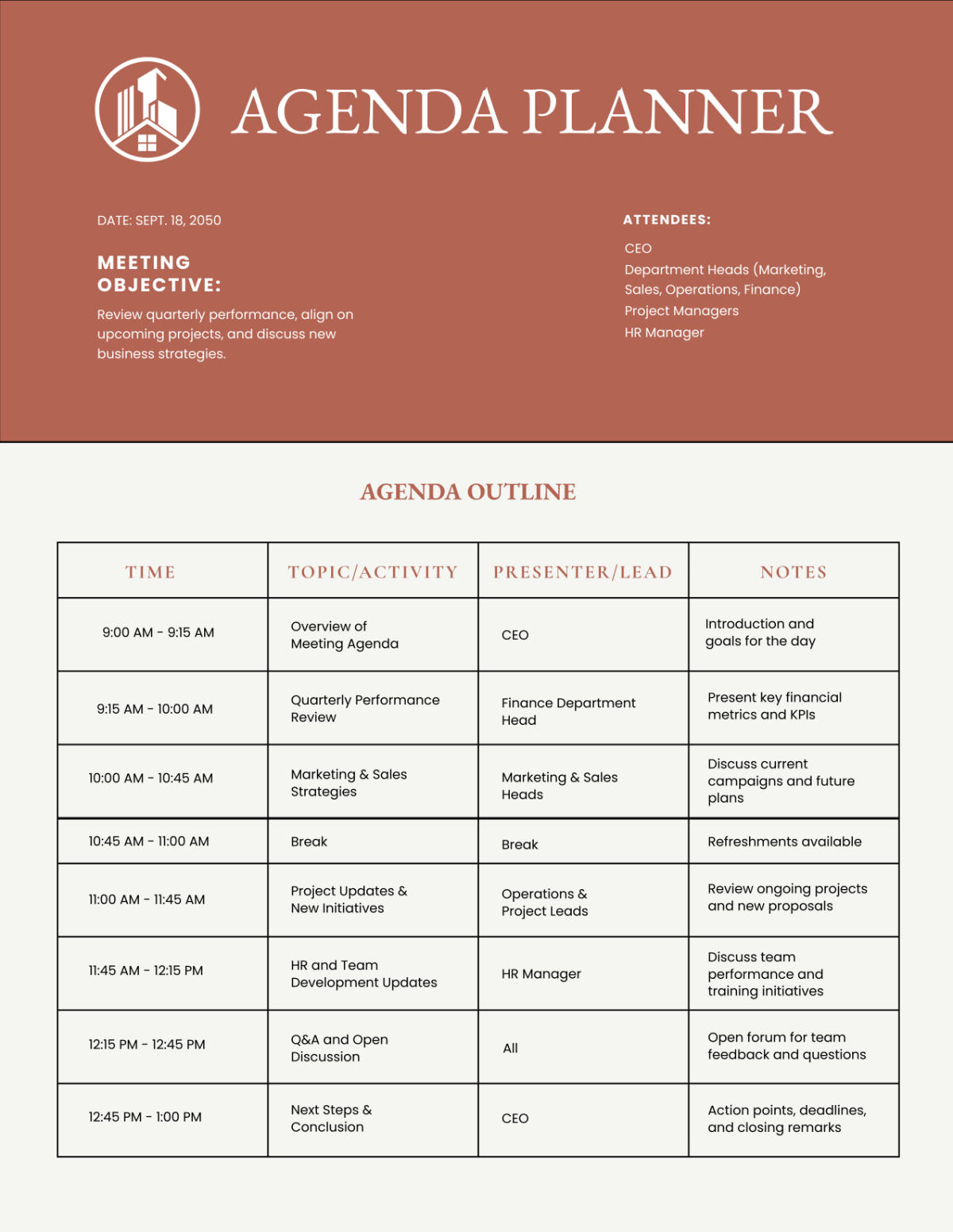
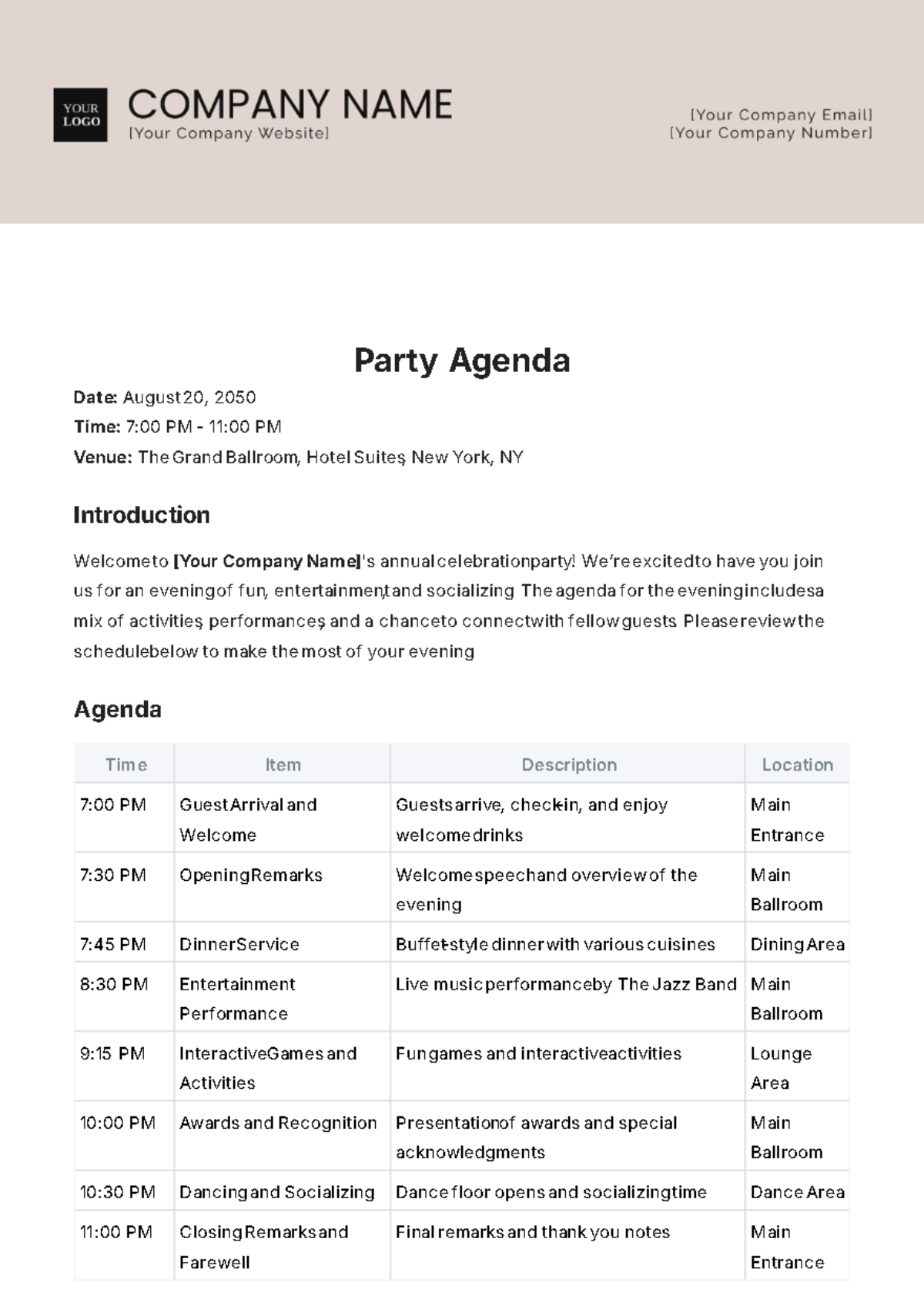
- Standard Agenda Templates: These templates provide a pre-defined structure for your meeting agenda, ensuring all essential topics are covered. They often include sections for objectives, topics, decisions, and action items.
- Project-Specific Templates: For projects, these templates are often customized to reflect the specific goals and deliverables of the project. They frequently include sections for progress updates, risks, and resource allocation.
- Brainstorming & Idea Generation Templates: These templates are designed to facilitate creative thinking and generate new ideas during meetings. They often include prompts and techniques to encourage participation and diverse perspectives.
- Action Item Templates: These templates clearly outline the action items assigned to individuals, the deadlines for completion, and any relevant supporting information.
Choosing the right template depends on the specific needs of your team and the nature of your meetings. Don't be afraid to customize a template to fit your unique workflow.
Types of Meeting Minutes Templates
Let's explore some specific types of templates that can be particularly useful:
1. The Classic Agenda Template
This is a foundational template that's widely used and easily adaptable. It typically includes:
- Meeting Title: Clearly identifies the meeting's purpose.
- Date & Time: Record the date and time of the meeting.
- Attendees: List all participants.
- Agenda Items: A list of topics to be discussed, with brief descriptions.
- Objectives: A statement of what the meeting aims to achieve.
- Decision Points: Where decisions need to be made.
- Action Items: Specific tasks assigned to individuals with deadlines.
- Next Steps: A summary of what will happen after the meeting.
2. The Project-Focused Agenda Template
For projects, this template emphasizes deliverables and progress tracking. It often includes:
- Project Name: Clearly identifies the project.
- Date & Time: Record the meeting date and time.
- Project Goals: A brief overview of the project's objectives.
- Task Breakdown: A list of key tasks and milestones.
- Progress Updates: Regular updates on the status of each task.
- Risks & Issues: Identification of potential roadblocks and their mitigation plans.
- Next Steps: A summary of the planned activities for the next phase.
3. The Brainstorming & Idea Generation Template
This template is designed to stimulate creative thinking and capture initial ideas. It often includes:
- Topic: The initial subject of the brainstorming session.
- Brainstorming Prompts: Questions or statements designed to encourage creative thinking.
- Individual Ideas: Space for participants to write down their initial thoughts.
- Group Contributions: A section for participants to share their ideas and build upon each other.
- Prioritization: A method for evaluating and ranking ideas.
- Next Steps: A summary of the next steps to be taken.
4. The Action Item Template
This template is specifically designed to ensure accountability and follow-through. It includes:
- Action Item: A clear description of the task to be completed.
- Assigned To: The individual responsible for completing the task.
- Deadline: The date by which the task must be completed.
- Status: The current status of the task (e.g., To Do, In Progress, Completed).
- Notes: Any relevant information or context.
Utilizing Templates Effectively
The key to using templates effectively is to customize them to fit your specific needs. Don't just fill in the blanks; adapt the template to reflect the unique dynamics of your meetings. Consider adding sections that are relevant to your organization's processes. For example, if you frequently conduct status updates, include a dedicated section for that. Regularly review and update your templates to ensure they remain relevant and effective.
The Importance of Clear and Concise Writing
Regardless of the template you choose, clear and concise writing is essential. Use simple language, avoid jargon, and focus on conveying information effectively. Proofread your minutes carefully to ensure they are free of errors. A well-written meeting minutes document is a valuable asset for all stakeholders.
Conclusion
Effective meeting minutes are a cornerstone of successful project management and team collaboration. By utilizing the right templates, adapting them to your specific needs, and prioritizing clear and concise writing, you can significantly improve the efficiency and effectiveness of your meetings. Investing the time to create and maintain these documents is an investment in your team's productivity and overall success. Remember, well-documented meetings lead to better decisions, improved communication, and ultimately, a more successful organization. Don't underestimate the power of a thoughtfully crafted meeting minutes – it's more than just a record; it's a strategic tool.
Conclusion
The process of creating and maintaining effective meeting minutes is a continuous effort. It requires careful planning, thoughtful template selection, and consistent application. By prioritizing clarity, accuracy, and thoroughness, you can transform your meetings from a potential source of confusion into a valuable opportunity for collaboration and progress. Continuous improvement – refining your templates and processes – is key to maximizing their impact. Ultimately, the goal is to ensure that every meeting contributes to a shared understanding and a productive outcome.
0 Response to "Templates For Minutes Of Meetings And Agendas"
Post a Comment