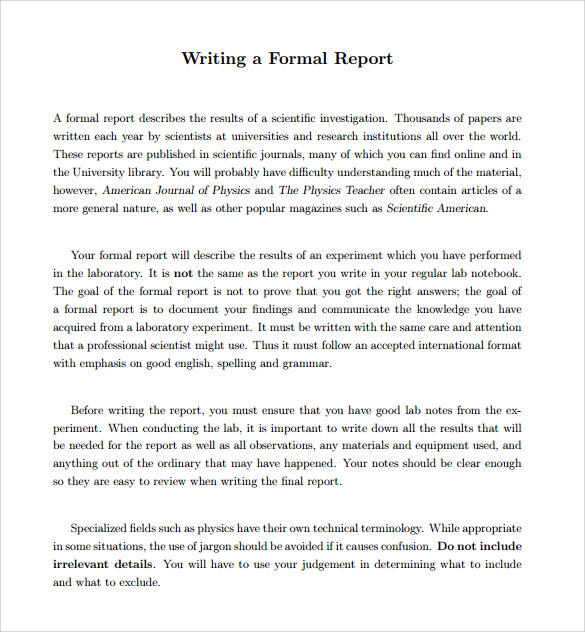
Creating a comprehensive and well-structured project report is crucial for effective communication, stakeholder alignment, and ultimately, project success. A clear and concise report demonstrates your understanding of the project's progress, challenges, and future plans. This guide provides a foundational template, designed to streamline the process and ensure your reports are easily understood. Simple Project Report Template – a robust structure is key to delivering valuable insights. This template focuses on clarity, brevity, and actionable information, allowing you to quickly communicate project status to your team and clients. It's designed to be adaptable to various project types and scales, offering a flexible framework for documenting your work. Let's dive into how to build a truly effective project report.
Understanding the Purpose of a Project Report
A project report serves as a central point of reference for all stakeholders involved in a project. It's more than just a summary; it's a detailed account of what was achieved, what challenges were encountered, and what's planned for the future. Effective reporting fosters trust, identifies areas for improvement, and ultimately contributes to the overall project goals. Poorly written reports can lead to confusion, delays, and ultimately, project failure. Therefore, investing time in creating a well-structured report is a vital investment. The goal is to provide a clear, objective, and actionable overview of the project's journey.
The Core Components of a Project Report
A typical project report includes several key components. These elements work together to paint a complete picture of the project's performance. The first and most important component is a clear executive summary. This brief overview should highlight the key achievements, challenges, and recommendations. Following the executive summary, you'll find a detailed description of the project's scope, objectives, and methodology. Then, there's a section outlining the project's progress, including milestones achieved and tasks completed. Finally, a section dedicated to risks and issues, along with proposed mitigation strategies, is essential for transparency and proactive problem-solving. Each of these sections should be logically connected and easy to follow.
Section 1: Project Overview – Setting the Stage
The initial section of the report should provide a concise overview of the entire project. This section should clearly define the project's purpose, goals, and objectives. It's important to establish a baseline – what was expected to be achieved – and to clearly articulate the rationale behind these expectations. Simple Project Report Template – this foundational section is where you establish the context for the entire project. Without a clear understanding of why the project was undertaken, it's difficult to assess its success. Consider including a brief timeline overview, highlighting key dates and milestones. This helps stakeholders quickly grasp the project's overall trajectory. Don't assume prior knowledge; provide a brief introduction to the project's background.
Defining the Project Scope
Precisely defining the project scope is paramount to a successful report. The scope document outlines what is included in the project and, equally importantly, what is not. Ambiguity in scope can lead to scope creep, delays, and ultimately, project failure. Clearly defining the boundaries of the project helps to manage expectations and prevent unnecessary additions. The scope document should be readily accessible to all stakeholders. It's a living document, subject to change as the project progresses. Regularly reviewing and updating the scope document is crucial. Consider using a Work Breakdown Structure (WBS) to visually represent the project's scope and identify all deliverables.
Key Deliverables – What We've Achieved
This section details the specific deliverables produced during the project. Each deliverable should be clearly defined, with measurable criteria for success. For example, instead of simply saying "website design," specify "a fully functional website with 10 pages, responsive design for mobile devices, and integration with the existing CRM system." Documenting deliverables provides a tangible record of the project's accomplishments. It's vital to track the status of each deliverable and ensure timely completion. Consider using a Gantt chart to visualize the project timeline and the associated deliverables.
Section 2: Progress and Performance – Tracking Key Metrics
This section provides a detailed analysis of the project's progress against the planned schedule and budget. It's not just about reporting what was done; it's about demonstrating how well it was done. Key metrics should be tracked and reported, including task completion rates, budget expenditures, and resource utilization. Simple Project Report Template – this section is where you demonstrate accountability and provide evidence of efficient project management. Use visual aids, such as charts and graphs, to present data in a clear and concise manner. Don't just present numbers; explain the significance of the data. For example, instead of simply stating "budget exceeded," explain why the budget exceeded and what actions were taken to mitigate the impact.
Milestone Achievement – Key Accomplishments
This section highlights the key milestones achieved during the project. Each milestone should be clearly defined, with a corresponding date and description of the achievement. Documenting milestones provides a sense of progress and allows stakeholders to track the project's overall trajectory. It's important to celebrate successes along the way to maintain momentum and morale. Consider including photos or videos to illustrate the achievements. This section is a powerful tool for demonstrating the project's value.
Risk and Issue Management – Addressing Challenges
This section addresses any risks or issues that arose during the project. It's crucial to document these issues promptly and to outline the steps taken to resolve them. A proactive approach to risk management can prevent problems from escalating and impact the project's timeline and budget. Clearly identify the root cause of each issue and the corrective actions taken. Regularly review the risk register to identify new potential risks. Transparency and accountability are key here.
Section 3: Budget and Resources – Financial Overview
A detailed breakdown of the project's budget is essential for transparency and accountability. This section should include a detailed list of all expenses incurred during the project, categorized by type (e.g., labor, materials, software). It's important to track actual costs against the budgeted amounts and to identify any variances. Simple Project Report Template – this section provides a clear picture of the financial implications of the project. Don't shy away from highlighting any cost overruns or unexpected expenses. This information is crucial for making informed decisions about future projects. Consider using a spreadsheet to track expenses and generate reports.
Resource Allocation – Team Performance
This section outlines the resources allocated to the project, including personnel, equipment, and software. It's important to demonstrate that resources were utilized effectively and efficiently. Track time spent on each task and identify any bottlenecks or inefficiencies. This information can be used to improve future project planning and resource allocation. Consider using a resource management tool to track resource utilization.
Section 4: Conclusion – Key Takeaways
The conclusion section summarizes the key takeaways from the project report. It should reiterate the project's objectives, achievements, challenges, and lessons learned. It's a final opportunity to reinforce the value of the project and to provide recommendations for future improvements. Simple Project Report Template – this section serves as a concise reflection on the project's overall success. It's a valuable tool for stakeholders who need a quick overview of the project's performance. Don't just restate the executive summary; add a brief assessment of the project's overall impact. Highlight any areas where the project exceeded expectations and areas where further improvement is possible.
Appendix (Optional)
An appendix can include supplementary materials, such as detailed data tables, charts, and graphs, that are not essential to the main body of the report. This can be helpful for providing additional context and supporting analysis.
Further Resources
For more information on project reporting best practices, consider exploring resources such as the Project Management Institute (PMI) and the Association for Project Management (APM). Understanding these resources will help you create more effective and informative project reports.
0 Response to "Simple Project Report Template"
Post a Comment