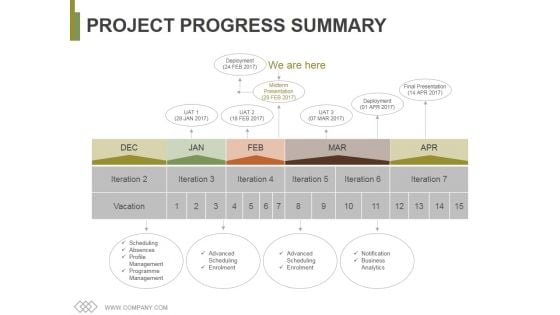
Project status reports are the cornerstone of effective communication within any organization, and a well-designed dashboard provides a clear, concise, and readily accessible overview of project progress. A robust Project Status Report Dashboard Template is no longer a luxury – it's a critical investment in project success. This article will explore the key components of a successful dashboard, focusing on the essential elements for capturing, visualizing, and sharing critical project information. We'll delve into the design considerations, data sources, and best practices for creating a dashboard that empowers stakeholders and drives informed decision-making. Ultimately, understanding how to build and utilize a Project Status Report Dashboard Template can significantly improve project visibility and accountability. Project Status Report Dashboard Template is the key to unlocking these benefits.
The Importance of a Project Status Report Dashboard
The traditional, static project status report – often delivered via email or a lengthy document – is becoming increasingly obsolete. Stakeholders are bombarded with information, and simply presenting a document isn't enough. A dynamic, interactive dashboard offers a far more engaging and efficient way to track progress, identify potential roadblocks, and ensure everyone is aligned on the project's direction. The benefits are numerous: improved transparency, faster decision-making, reduced risk, and increased stakeholder satisfaction. A well-crafted dashboard transforms data into actionable insights, shifting the focus from simply reporting what happened to understanding why and how to improve. Without a dedicated dashboard, project teams often struggle to maintain a single source of truth, leading to confusion and missed opportunities. Investing in a proper dashboard is an investment in proactive project management.
Core Components of a Project Status Report Dashboard
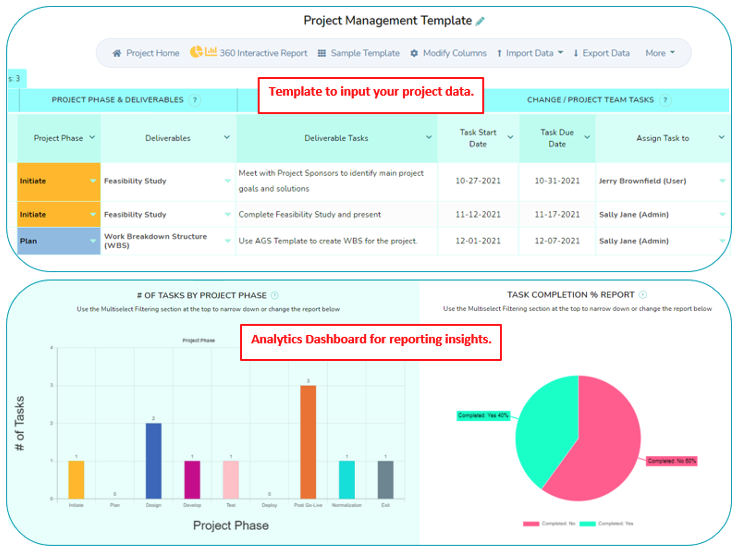
A successful Project Status Report Dashboard Template typically incorporates several key components. These elements work together to provide a comprehensive view of the project's health. Firstly, Key Performance Indicators (KPIs) are essential. These metrics – such as budget variance, task completion rates, and defect density – provide a quantifiable measure of project performance. Secondly, Progress Charts visually represent the status of individual tasks and milestones. Bar charts, line graphs, and progress bars are all effective choices. Thirdly, Resource Utilization charts illustrate how resources are being allocated and utilized, highlighting potential bottlenecks or over-allocation. Finally, Risk Management dashboards track identified risks, their status, and mitigation plans. A truly effective dashboard goes beyond simple data visualization; it's a strategic tool.
Data Sources and Integration
The success of any dashboard hinges on the quality and accessibility of the data it utilizes. Common data sources include:
- Project Management Software: Jira, Asana, Trello, and Microsoft Project are frequently used to pull in task status, deadlines, and resource allocation data.
- CRM Systems: Salesforce and HubSpot can provide insights into customer-related project data and potential impact on the project.
- Financial Systems: Accounting software like QuickBooks or Xero can track budget spend and revenue.
- Spreadsheets: While not ideal for large datasets, spreadsheets can be used for smaller, more focused projects.
- Databases: SQL databases are often used to store and manage large volumes of project data.
Integration is crucial. Dashboards need to seamlessly connect to these data sources, ensuring that the information is always up-to-date and readily available. APIs (Application Programming Interfaces) are commonly used to facilitate this integration. Consider using a data warehouse solution for centralized data management and improved reporting.
Visual Design Principles for Effective Dashboards
The visual design of a dashboard significantly impacts its usability and effectiveness. Several principles should be considered:
- Color Palette: Use a consistent and visually appealing color palette. Avoid overly bright or distracting colors. Consider using color to highlight key data points.
- Chart Selection: Choose chart types that are appropriate for the data being presented. Avoid using complex charts that are difficult to understand.
- Layout: Organize the dashboard in a logical and intuitive manner. Prioritize the most important information. Use whitespace effectively to avoid clutter.
- Branding: Incorporate your company's branding elements to create a consistent and professional look and feel.
- Accessibility: Ensure the dashboard is accessible to users with disabilities by following accessibility guidelines (WCAG).
Example Dashboard Layouts – Project Status Report Dashboard Template
Here are a few example dashboard layouts, demonstrating how different information can be presented:
Dashboard 1: High-Level Overview
- Top Row: KPI Summary – Budget Variance, Task Completion Rate, Risk Level
- Middle Row: Progress Charts – Gantt Chart (Milestones), Burn-Down Chart (Task Completion)
- Bottom Row: Resource Utilization Chart, Risk Register Summary
Dashboard 2: Detailed Task Status
- Top Row: Table displaying tasks, assigned resources, due dates, and status.
- Middle Row: Progress bars for each task, highlighting completed and overdue tasks.
- Bottom Row: Risk assessment for each task, with mitigation plans.
Dashboard 3: Budget Tracking
- Top Row: Budget Overview – Total Budget, Remaining Budget, Budget Variance
- Middle Row: Chart showing budget spend by category, with drill-down capabilities.
- Bottom Row: Resource allocation by category, highlighting potential overspending.
Best Practices for Dashboard Creation and Maintenance
Creating a truly effective Project Status Report Dashboard Template requires more than just selecting the right charts and data. Here are some best practices:
- Start with a Clear Objective: What questions should the dashboard answer? Define the purpose of the dashboard before you begin designing it.
- Know Your Audience: Tailor the dashboard to the needs of your stakeholders. Consider their level of technical expertise.
- Regularly Review and Update: The project status report dashboard is a living document. Review and update it regularly to ensure it remains accurate and relevant.
- Get Feedback: Solicit feedback from stakeholders throughout the design and implementation process.
- Automate Reporting: Utilize tools and automation to streamline the reporting process and reduce manual effort.
- Security: Implement appropriate security measures to protect sensitive project data.
Conclusion – The Future of Project Status Report Dashboards
The demand for effective project status reporting is only going to increase. As projects become more complex and data-driven, the need for robust, user-friendly dashboards will become even more critical. A well-designed Project Status Report Dashboard Template is no longer a nice-to-have; it's a fundamental requirement for project success. By focusing on clear data visualization, strategic KPI tracking, and continuous improvement, project teams can leverage dashboards to gain a competitive advantage and deliver exceptional results. Ultimately, embracing the principles of data-driven project management through a strategic dashboard implementation will yield significant benefits for both individuals and organizations. Project Status Report Dashboard Template is the key to unlocking these benefits.
Resources
- [Link to a reputable dashboard design resource]
- [Link to a data visualization tutorial]
- [Link to a project management software documentation]
0 Response to "Project Status Report Dashboard Template"
Post a Comment