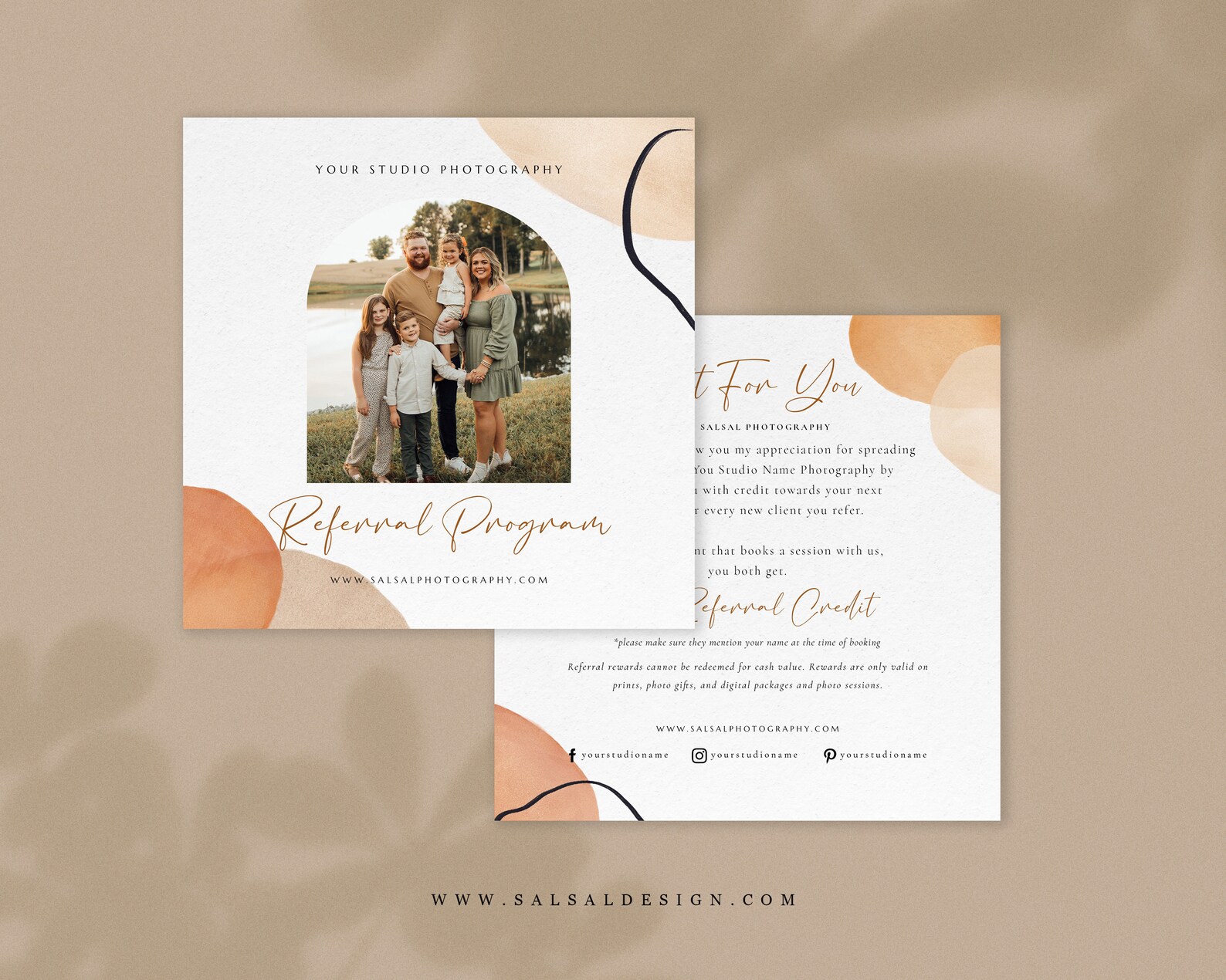
Are you a photographer struggling to generate leads and build your client base? In the competitive world of photography, effective marketing is crucial for success. One powerful tool you can utilize is the creation of high-quality photography referral cards. These cards are more than just promotional materials; they're a strategic way to connect with potential clients, showcase your best work, and ultimately, drive business. Photography Referral Card Templates offer a streamlined and visually appealing approach to reaching your target audience. This article will delve into the benefits of using these templates, explore different design options, and provide practical guidance on how to create cards that convert. Let's explore how these templates can transform your photography business.
The demand for professional photography is consistently growing, fueled by a desire for beautiful memories and stunning visuals. Many photographers find themselves facing challenges in attracting new clients, particularly those who are hesitant to step outside their comfort zone. A well-designed referral card can overcome this hurdle by offering a tangible and memorable way to introduce your services. It's a low-cost, high-impact marketing strategy that can significantly boost your visibility and lead generation. Ultimately, investing in quality photography referral cards is an investment in your future success. Understanding the nuances of these templates and how to tailor them to your brand is key.
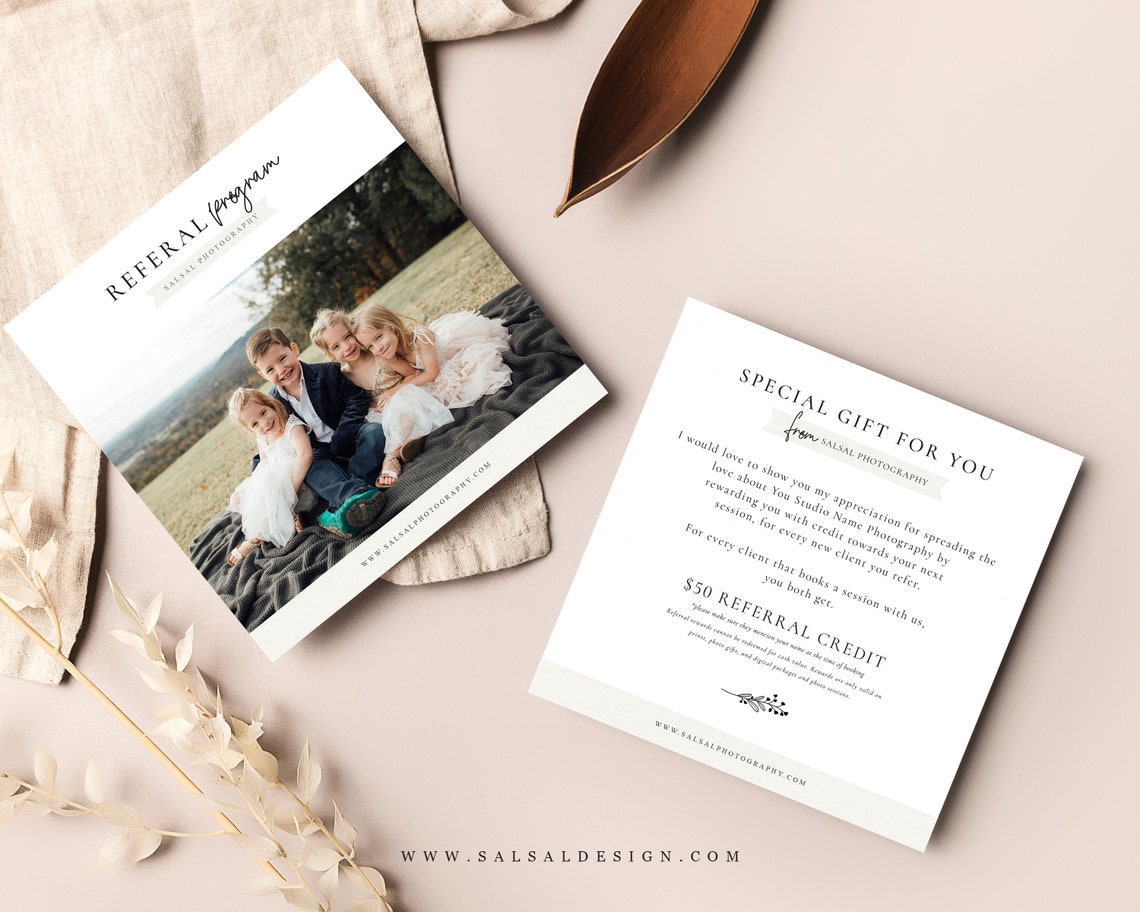
Understanding the Benefits of Photography Referral Cards
Before diving into the specifics of creating these cards, let's consider why they're so effective. The benefits extend far beyond simply printing and handing out. They offer several key advantages:
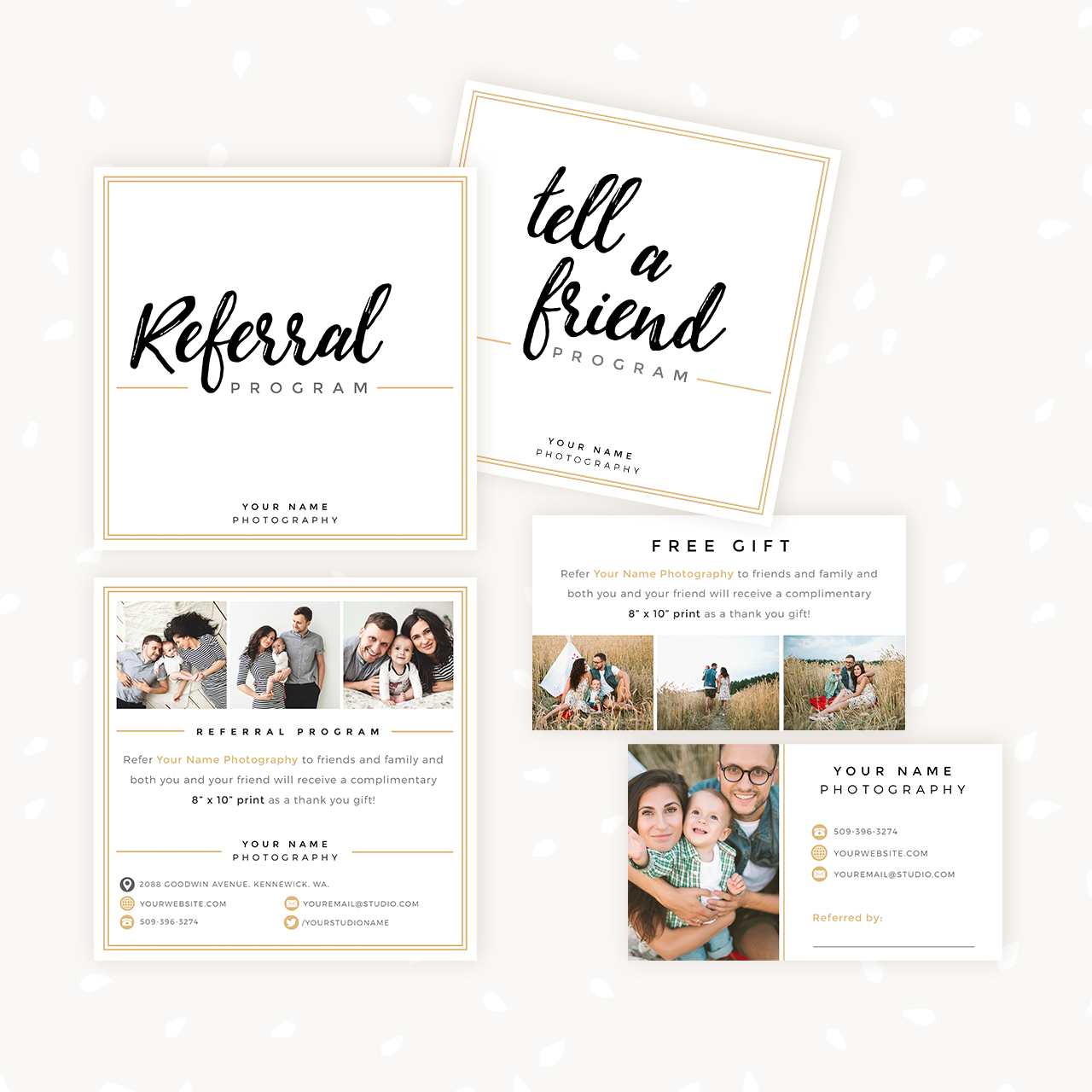
- Increased Brand Visibility: A professionally designed card instantly communicates your brand's aesthetic and professionalism. It's a visual representation of your style and expertise.
- Lead Capture: These cards provide a clear and concise way to capture contact information – names, email addresses, and phone numbers – allowing you to nurture leads effectively.
- Showcase Portfolio: They're a fantastic opportunity to highlight your best photographs, demonstrating your skills and the types of work you specialize in. This is particularly important for photographers who are building their portfolio.
- Personalized Communication: Templates allow for customization, enabling you to tailor the card to specific client needs or occasions.
- Cost-Effectiveness: Compared to traditional marketing methods, referral cards are relatively inexpensive, making them accessible to a wider range of photographers.
Photography Referral Card Templates are readily available, offering a diverse range of designs and functionalities. Choosing the right template is the first step to creating a card that resonates with your target audience.
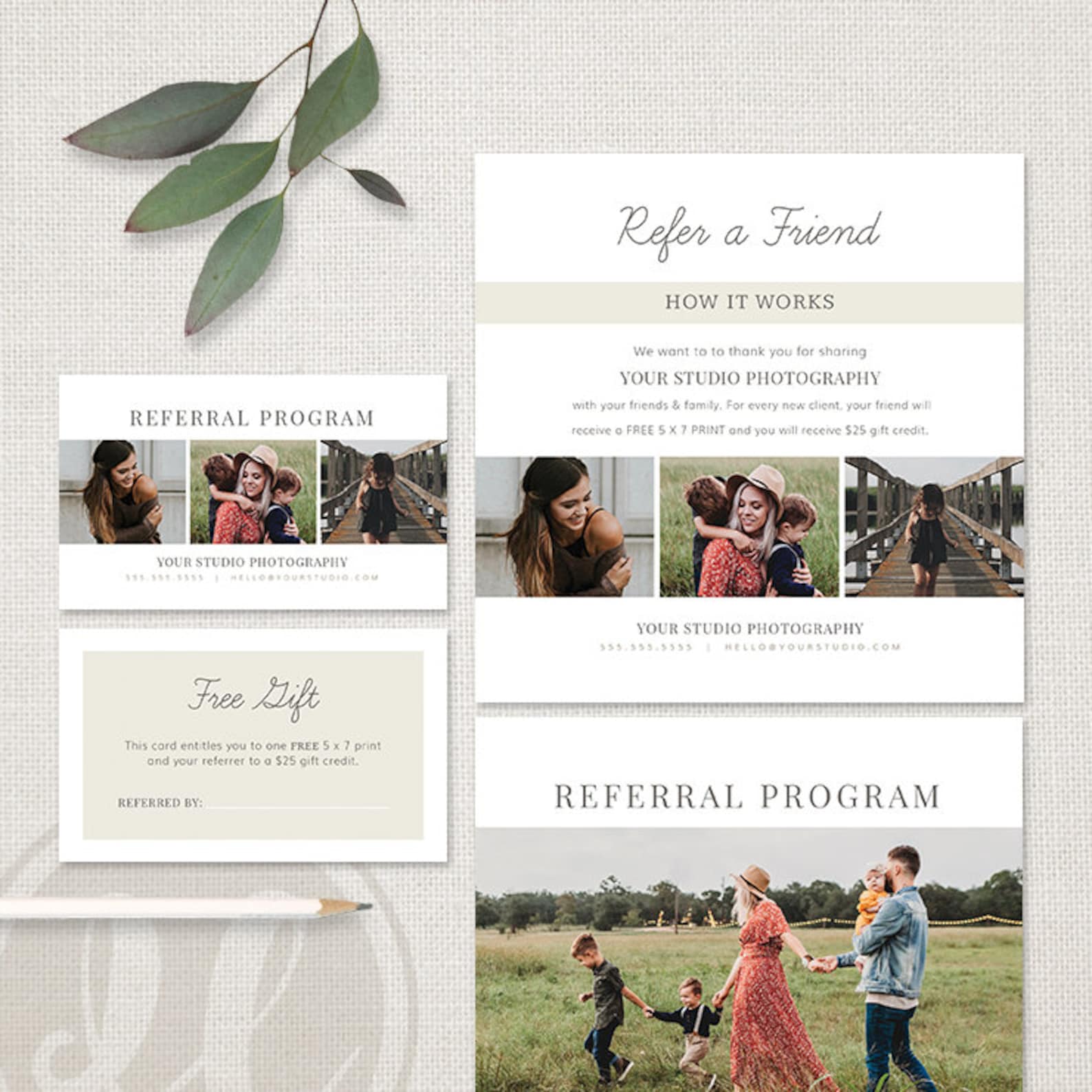
Designing Your Photography Referral Card: A Step-by-Step Guide
Now, let's move on to the practical aspects of creating these cards. Here's a breakdown of the key elements to consider:
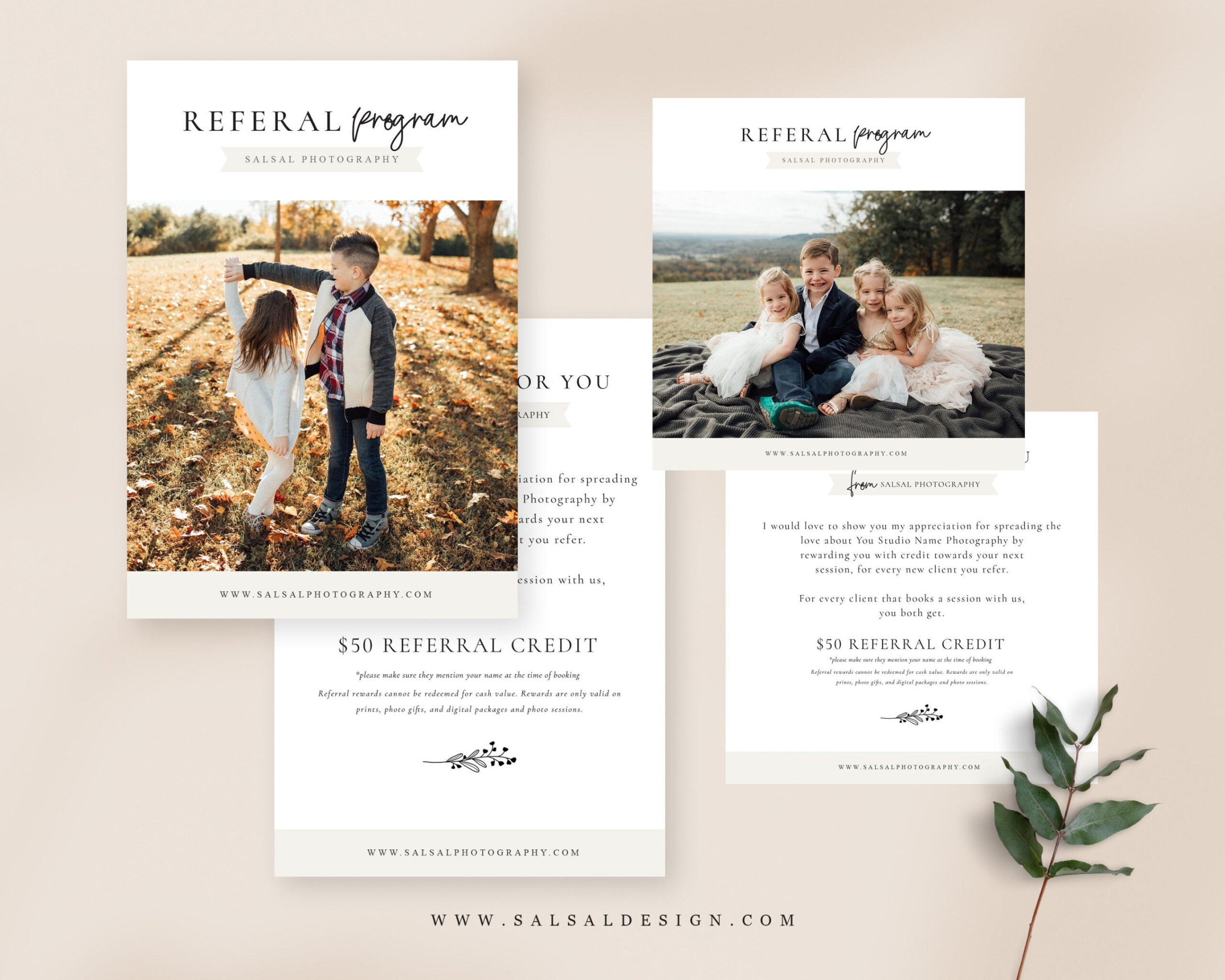
1. Choosing the Right Template
There's a vast array of photography referral card templates available, catering to various styles and purposes. Some popular options include:
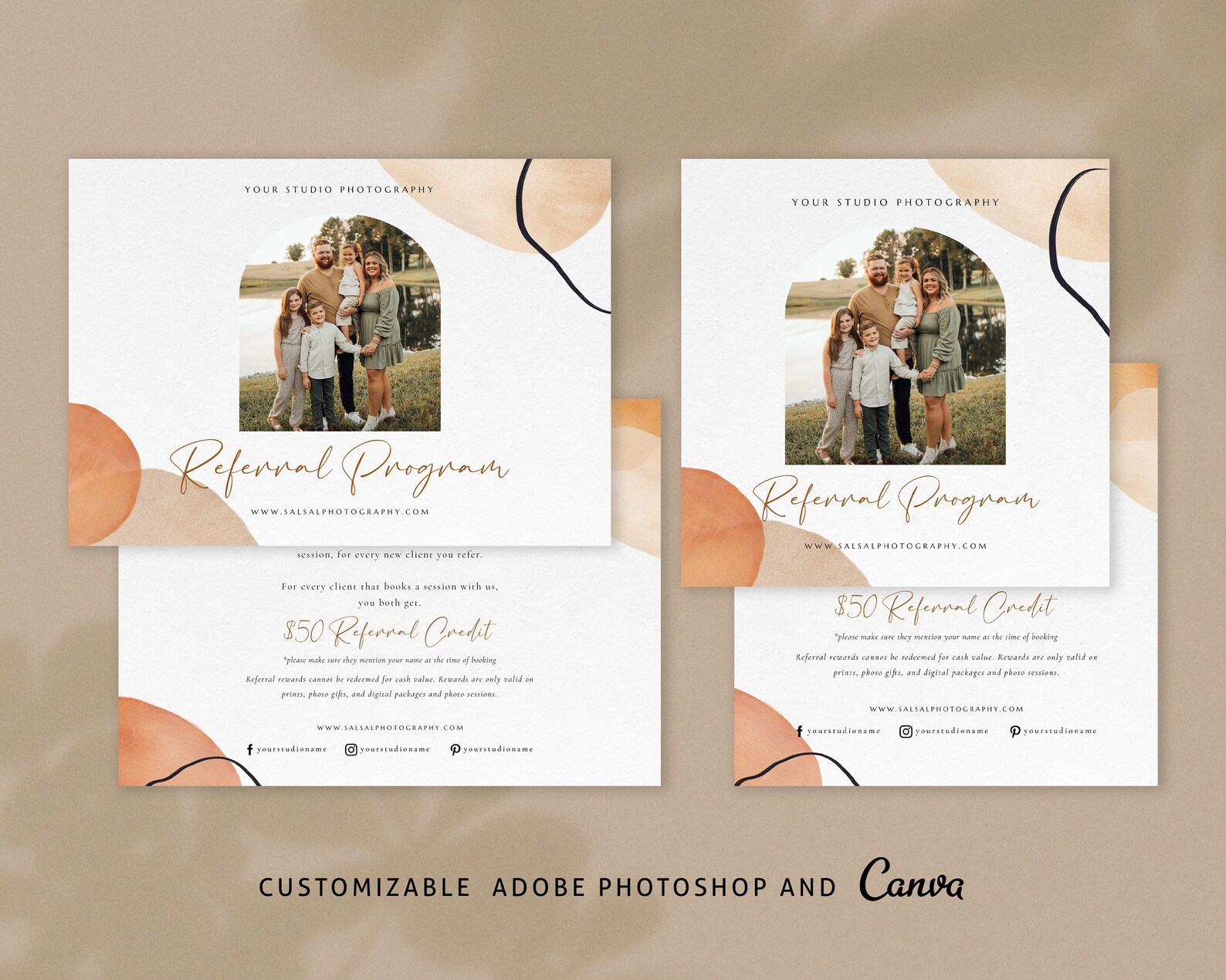
- Basic Template: A clean, minimalist design with a simple layout. Ideal for photographers who want to focus on their work.
- Portfolio Template: Features a grid layout showcasing a selection of your best photographs. Excellent for showcasing a diverse range of styles.
- Event-Specific Template: Designed for particular events (weddings, birthdays, corporate events) and includes relevant imagery.
- Seasonal Template: Capitalizes on seasonal themes and incorporates relevant imagery.
Important Considerations When Selecting a Template: Ensure the template aligns with your brand's aesthetic and the type of photography you specialize in. Don't be afraid to customize a template to make it truly your own.

2. Designing the Card Layout
Once you've chosen a template, it's time to begin designing the layout. Here are some key design principles to keep in mind:
- White Space: Don't overcrowd the card. Utilize white space to create a clean and visually appealing design.
- Color Palette: Choose a color palette that complements your brand and is visually engaging. Consider using a consistent color scheme across all your marketing materials.
- Typography: Select fonts that are easy to read and reflect your brand's personality. Limit the number of fonts used to maintain a cohesive look.
- Imagery: High-quality photographs are essential. Ensure your images are well-composed and visually appealing.
3. Adding Your Personal Touch
A template is a great starting point, but don't be afraid to add your own unique touch. Consider:
- Adding Your Logo: Include your logo prominently to reinforce your brand identity.
- Personalized Message: Write a short, engaging message that introduces you and your services.
- Call to Action: Include a clear call to action, such as "Contact Me for a Consultation" or "Visit My Website."
3. Specific Design Elements for Photography Referral Cards
Let's look at some specific design elements that can significantly enhance the effectiveness of your photography referral cards:
- QR Codes: Include a QR code that links directly to your website or online portfolio. This makes it incredibly easy for potential clients to learn more about you.
- Social Media Icons: Add social media icons to encourage engagement and build your online presence.
- High-Resolution Images: Ensure all images are high-resolution to avoid pixelation and ensure a professional look.
- Consistent Branding: Maintain a consistent brand identity across all your marketing materials, including your referral cards.
4. Printing and Distribution
Once you're happy with your design, it's time to print your cards. Consider using a professional printing service to ensure high-quality results. You can distribute your cards through various channels:
- Direct Mail: Send them to potential clients in your local area.
- Networking Events: Hand them out at photography events and industry gatherings.
- Online Platforms: Distribute them through online directories and social media channels.
- Partner with Local Businesses: Collaborate with complementary businesses (e.g., wedding planners, event venues) to distribute your cards.
5. Measuring Success: Tracking Your Referral Card Effectiveness
To determine the true impact of your referral cards, it's important to track your results. Here are a few key metrics to monitor:
- Number of Leads Generated: Track how many inquiries you receive through your referral cards.
- Conversion Rate: Measure the percentage of leads that convert into paying clients.
- Website Traffic: Monitor website traffic to see if your referral cards are driving visitors to your online portfolio.
- Social Media Engagement: Track likes, shares, and comments on your social media posts featuring your referral cards.
By carefully tracking these metrics, you can gain valuable insights into the effectiveness of your referral card strategy and make adjustments as needed.
Conclusion
Photography referral cards are a powerful and cost-effective marketing tool that can significantly boost your photography business. By understanding the benefits, designing strategically, and effectively distributing these cards, you can attract new clients, showcase your best work, and ultimately, achieve your business goals. Remember to consistently analyze your results and adapt your strategy to maximize your return on investment. Investing in quality photography referral cards is an investment in your future success. Don't underestimate the power of a well-designed card to connect with potential clients and drive business growth. Photography Referral Card Templates are a readily available resource for creating impactful marketing materials. Continuously refine your approach and embrace the opportunities these cards present to elevate your photography brand.
0 Response to "Photography Referral Card Templates"
Post a Comment