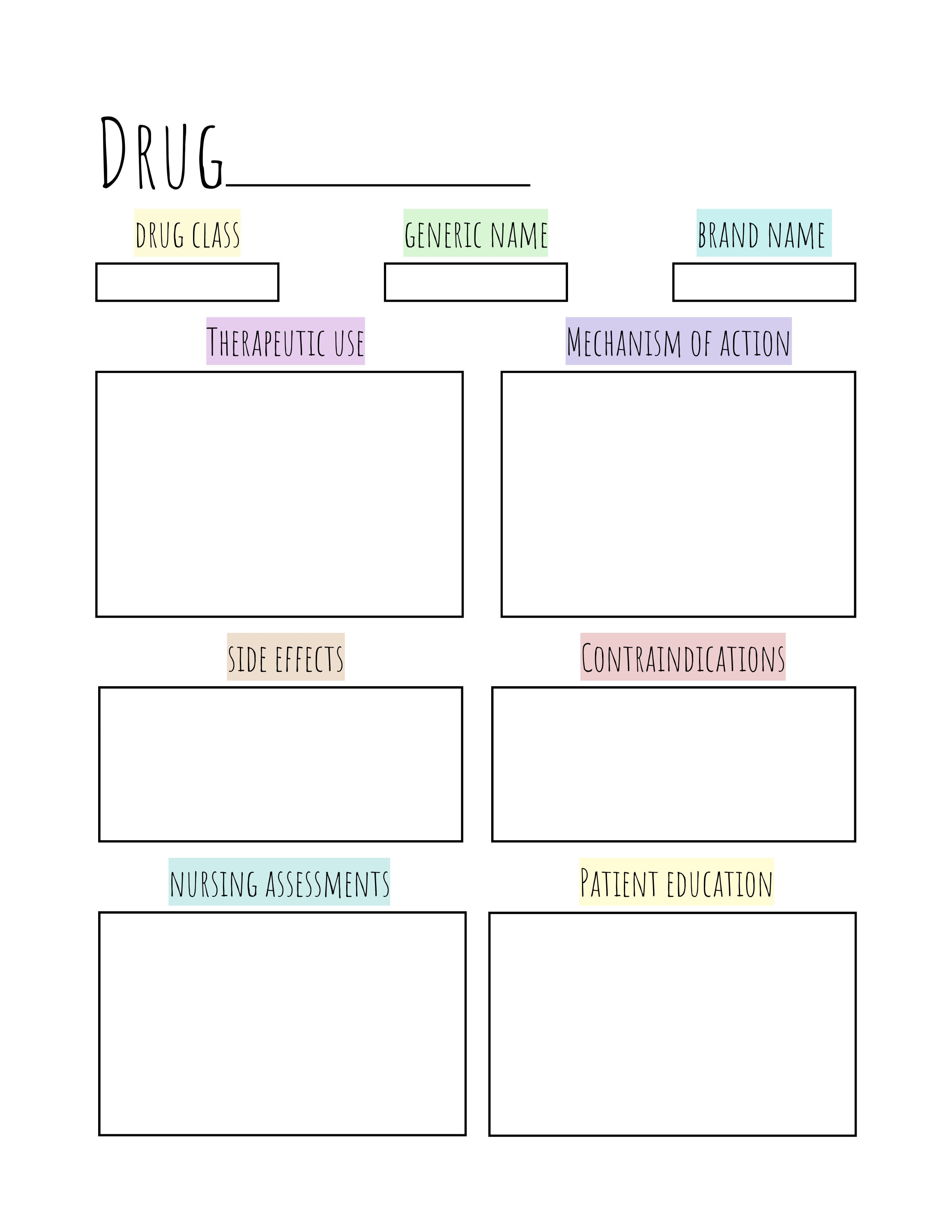
The world of pharmaceuticals is complex, and effective drug management relies heavily on meticulous record-keeping. A crucial element in this process is the creation and utilization of a Pharmacology Drug Card Template. This document serves as a standardized format for recording vital information about a medication, ensuring accurate inventory, tracking usage, and facilitating informed clinical decision-making. It's more than just a simple list; it's a tool designed to enhance patient safety and operational efficiency within healthcare settings. Understanding the purpose and proper implementation of a Pharmacology Drug Card Template is paramount for pharmacists, nurses, and other healthcare professionals. This article will delve into the importance of these templates, explore their key components, and provide practical guidance on creating and utilizing them effectively. The core of this article revolves around the concept of a robust and readily accessible Drug Card Template – a cornerstone of responsible medication management.
The rise of personalized medicine and increasingly complex drug regimens necessitates a more structured approach to medication tracking. Traditional methods, such as handwritten notes or fragmented electronic records, often lack the detail and consistency required for accurate data management. A dedicated Drug Card Template provides a centralized, easily accessible repository for all pertinent information, reducing the risk of errors and improving communication among healthcare providers. It's a proactive measure, designed to prevent potential adverse drug events and optimize patient outcomes. The benefits extend beyond simple record-keeping; it fosters accountability and streamlines workflows, ultimately contributing to a more efficient healthcare system. Furthermore, the use of a standardized template promotes inter-professional collaboration, ensuring that all relevant information is readily available to the appropriate personnel. The demand for streamlined processes and improved data integrity has fueled the development and widespread adoption of these templates.

Understanding the Core Components of a Pharmacology Drug Card Template
A comprehensive Pharmacology Drug Card Template typically includes several key sections, each addressing a specific aspect of a medication's management. The specific elements included may vary depending on the institution and the type of medication, but the fundamental principles remain consistent. Let's examine some of the most important components:
- Medication Name: The official name of the drug, as it appears on the prescription label.
- Generic Name: The chemical name of the drug, often preferred for clarity and consistency.
- Brand Name: The commercially available name of the drug.
- Dosage: The prescribed dosage, including the route of administration (e.g., oral, intravenous, topical).
- Frequency: How often the medication should be administered (e.g., once daily, twice a week).
- Route of Administration: The method by which the medication is administered (e.g., oral, topical, subcutaneous).
- Route of Administration – Specific: A more detailed description of the route, particularly relevant for certain medications.
- Start Date: The date the medication was initiated.
- End Date: The date the medication was discontinued or changed.
- Prescribing Physician: The name of the physician who prescribed the medication.
- Pharmacy Technician: The name of the pharmacy technician responsible for dispensing the medication.
- Patient Identifier: The patient's unique identification number, including name, date of birth, and medical record number.
- Allergies: A detailed list of known allergies, including the type of reaction and the severity.
- Drug Interactions: A list of medications that may interact with the prescribed drug, along with potential adverse effects.
- Special Instructions: Any specific instructions for the patient, such as taking the medication with food, avoiding certain activities, or monitoring for side effects.
- Expiration Date: The date the medication expires, which is crucial for managing inventory and preventing waste.
- Storage Instructions: Recommendations for proper storage, such as temperature and humidity requirements.
Detailed Examination of Key Sections and Their Importance
Let's delve deeper into some of the most critical sections of a Pharmacology Drug Card Template. The accuracy and completeness of this information are vital for patient safety.
Medication Details – A Thorough Record
This section is the foundation of the template. It's where all the essential information about the medication is meticulously documented. It's not enough to simply list the name; the template should include a full description of the drug's purpose, mechanism of action, and potential benefits and risks. This detailed information allows healthcare providers to understand the drug's therapeutic effects and potential side effects, enabling them to make informed decisions about patient care. Regular updates to this section are essential, particularly when changes are made to the medication's formulation or indications.
Patient Identification – Ensuring Accurate Records
The patient identifier is a critical component of the template. It's essential to ensure that the correct patient is always recorded, as errors in this area can lead to medication errors and adverse events. The template should include a complete patient record, including name, date of birth, medical record number, and any relevant allergies or medical conditions. Maintaining a current and accurate patient record is a fundamental responsibility of healthcare professionals. Consider implementing a system for automated patient identification to minimize errors and improve efficiency.
Drug Interactions – A Critical Consideration
Drug interactions are a significant concern in medication management. A comprehensive Drug Interaction section is crucial for identifying potential risks and ensuring that patients are not taking medications that may interact negatively. This section should list all medications the patient is currently taking, including prescription drugs, over-the-counter medications, and supplements. It's important to note potential interactions, such as increased risk of bleeding with anticoagulants or decreased effectiveness of certain medications. Healthcare providers should routinely review the Drug Interaction section to identify potential risks and adjust medication regimens as needed. Utilizing a drug interaction checker tool can significantly streamline this process.
Storage and Handling – Maintaining Medication Integrity
Proper storage and handling are essential for maintaining the integrity of the medication and ensuring patient safety. The template should include specific instructions for storage, including temperature and humidity requirements. It should also address the potential for degradation of the medication over time and recommend appropriate storage conditions. Furthermore, the template should outline procedures for handling the medication safely, including proper disposal methods. Regularly reviewing and updating these storage and handling instructions is vital.
Utilizing Templates for Enhanced Efficiency
Many healthcare organizations utilize pre-printed Pharmacology Drug Card Templates to streamline medication management. These templates can be customized to meet the specific needs of the institution. The use of templates can significantly reduce errors, improve efficiency, and enhance communication among healthcare providers. Furthermore, templates can be easily updated with new information, ensuring that the records are always current. Investing in a robust and user-friendly template system is a worthwhile investment for any healthcare organization.
The Importance of Data Security and Compliance
With the increasing importance of data privacy and security, it's crucial to ensure that the Pharmacology Drug Card Template is protected from unauthorized access. Healthcare organizations must comply with all relevant regulations, such as HIPAA, to protect patient data. This includes implementing appropriate security measures, such as encryption and access controls, to safeguard the confidentiality and integrity of the template. Regularly reviewing and updating security protocols is essential to maintain compliance.
Future Trends and Technological Advancements
The field of medication management is constantly evolving, with new technologies and trends emerging. The use of electronic health records (EHRs) and mobile health (mHealth) applications is transforming the way medications are tracked and managed. These technologies offer the potential to automate medication reconciliation, improve data accuracy, and enhance patient safety. The integration of these technologies with a Pharmacology Drug Card Template will further streamline medication management and improve patient outcomes. Looking ahead, we can expect to see even greater adoption of digital tools and data analytics to optimize medication management practices.
Conclusion
The Pharmacology Drug Card Template is an indispensable tool for ensuring the safe and effective management of medications. Its comprehensive nature, coupled with its ease of use and adaptability, makes it a valuable asset for healthcare professionals. By understanding the core components of a template, implementing best practices for data management, and embracing technological advancements, healthcare organizations can maximize the benefits of this critical resource. The continued evolution of medication management, driven by technological innovation and a commitment to patient safety, will undoubtedly further solidify the importance of the Pharmacology Drug Card Template as a cornerstone of healthcare delivery. Ultimately, a well-maintained and readily accessible Drug Card Template empowers healthcare providers to provide optimal patient care, contributing to improved health outcomes and a more efficient healthcare system.
0 Response to "Pharmacology Drug Card Template"
Post a Comment