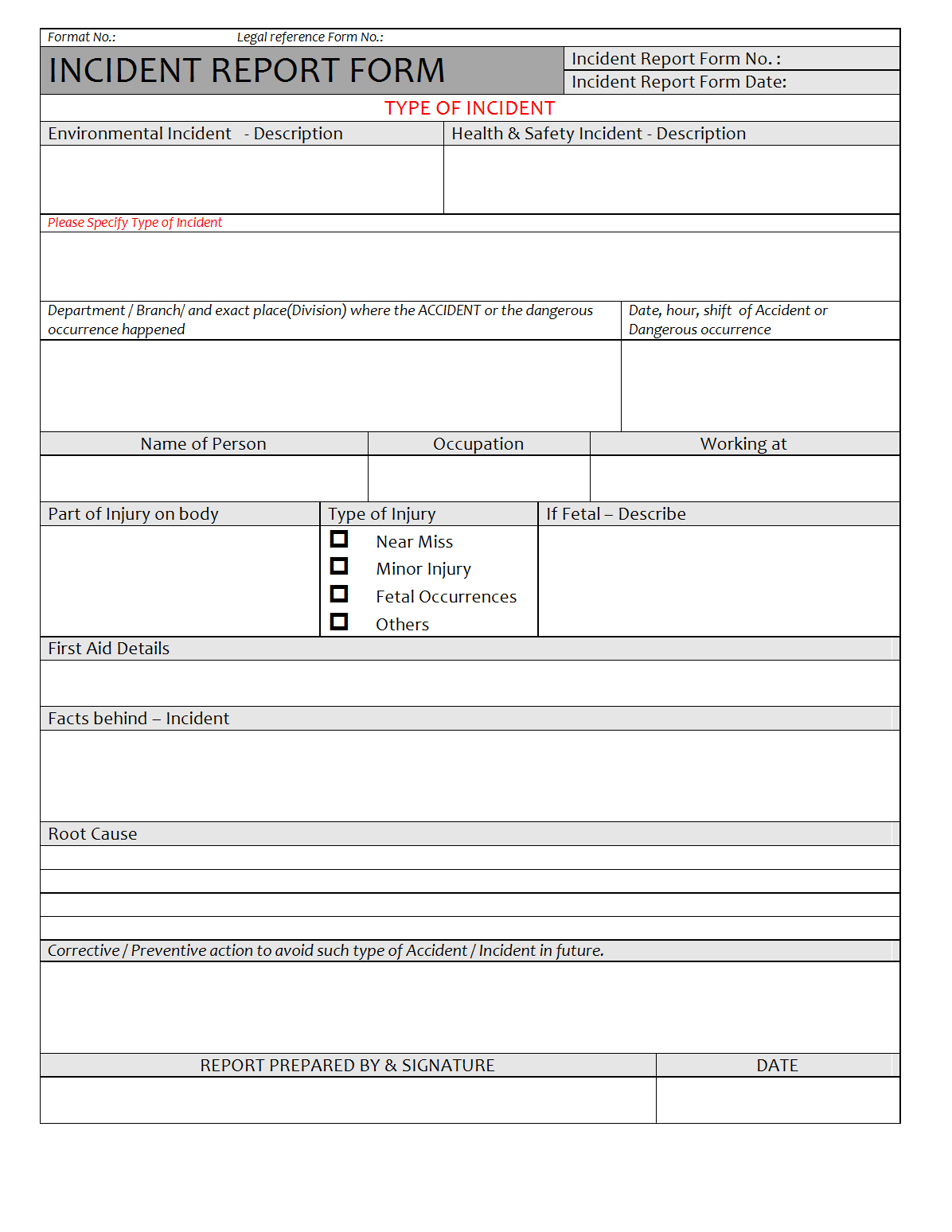
The escalating complexity of modern operations necessitates robust systems for tracking and managing incidents. A well-structured Incident Report Template is no longer a luxury – it's a critical component of effective risk mitigation, regulatory compliance, and ultimately, organizational resilience. This article will delve into the essential elements of a comprehensive Incident Report Template, providing a practical guide for organizations of all sizes. It Major Incident Report Template is more than just a document; it's a tool for proactive problem-solving and continuous improvement. Understanding how to create and utilize a standardized template can significantly streamline the reporting process, ensuring consistent data collection and analysis. The goal is to empower teams to quickly and accurately document incidents, facilitating timely investigations and corrective actions. Let's explore how to build a template that truly works for your organization.
Understanding the Importance of Incident Reporting
The modern business landscape is characterized by rapid change, increasing complexity, and heightened risk exposure. Incidents – whether they be equipment failures, security breaches, customer complaints, or operational disruptions – are inevitable. However, the way these incidents are reported and managed significantly impacts the organization's ability to learn from mistakes, prevent recurrence, and maintain a positive reputation. A poorly documented incident can lead to delays in investigations, missed opportunities for improvement, and potentially devastating consequences. Conversely, a well-documented and promptly addressed incident demonstrates a commitment to safety, compliance, and customer satisfaction. Therefore, investing in a robust Incident Report Template is a strategic investment in organizational health.

Defining What Constitutes a Major Incident
When we talk about "major incidents," we're not necessarily referring to catastrophic events. Instead, we're focusing on incidents that have the potential to significantly impact operations, pose a substantial risk to personnel, or require immediate attention. A major incident typically involves:
- Significant Impact: The incident has caused a measurable disruption to business processes, production, or service delivery.
- Potential for Harm: There's a credible risk of injury, property damage, or financial loss.
- Regulatory Compliance: The incident may violate relevant regulations or industry standards.
- Escalation Potential: The incident has the potential to escalate into a more serious situation if not addressed promptly.
Clearly defining these criteria is crucial for ensuring that all incidents are properly categorized and handled. A clear understanding of what constitutes a "major" incident helps prioritize resources and ensure that the right teams are involved in the response.
Key Sections of a Comprehensive Incident Report Template
A robust Incident Report Template should include several key sections to ensure comprehensive documentation. Here's a breakdown of essential elements:
1. Incident Summary
This initial section provides a concise overview of the incident. It should include:
- Date and Time of Incident: Precisely record the date and time the incident occurred.
- Location of Incident: Specify the exact location where the incident took place.
- Brief Description: A short, one-paragraph summary of what happened. Focus on the core facts – avoid unnecessary detail.
- Initial Impact: A preliminary assessment of the immediate consequences of the incident.
2. Incident Details – The Core of the Report
This section is the heart of the template, detailing all relevant information about the incident. It's organized into logical subsections:
- Type of Incident: Categorize the incident (e.g., equipment failure, security breach, human error, environmental hazard).
- Root Cause Analysis (Initial): Document the preliminary assessment of the root cause. This doesn't need to be a full investigation, but a preliminary understanding of what likely caused the incident.
- Contributing Factors: Identify any contributing factors that exacerbated the incident.
- Witness Statements: Include direct quotes from individuals involved in the incident. These statements provide valuable insights and can be crucial for investigations.
- Equipment/System Affected: Clearly identify the specific equipment, system, or process that was impacted.
3. Actions Taken
This section outlines the steps taken to address the incident. It should include:
- Immediate Response Actions: What actions were taken immediately after the incident (e.g., containment, shutdown, notification)?
- Corrective Actions: What corrective actions are being implemented to prevent recurrence?
- Preventative Measures: What preventative measures are being put in place to address the root cause?
- Escalation Procedures: Who was notified and when?
4. Impact Assessment
This section analyzes the consequences of the incident. It should include:
- Operational Impact: How did the incident affect operational performance (e.g., production downtime, service interruptions)?
- Financial Impact: What was the estimated financial cost of the incident (e.g., repair costs, lost revenue, fines)?
- Personnel Impact: Were there any injuries, illnesses, or other personnel-related consequences?
- Regulatory Impact: Did the incident trigger any regulatory reporting requirements?
5. Lessons Learned & Recommendations
This is a critical section for continuous improvement. It should:
- Identify Lessons Learned: What did we learn from this incident?
- Recommendations for Improvement: Provide specific, actionable recommendations for preventing similar incidents in the future. These recommendations should be prioritized based on their potential impact.
Utilizing the Template Effectively
A well-structured Incident Report Template is more than just a collection of fields; it's a tool for analysis and improvement. Here are some tips for maximizing its effectiveness:
- Consistency: Use the same template consistently across all incidents to ensure comparability.
- Completeness: Fill out all sections of the template, even if the information is preliminary.
- Accuracy: Ensure that all data is accurate and verifiable.
- Timeliness: Report incidents promptly after they occur.
- Collaboration: Encourage collaboration among teams involved in the incident response.
Conclusion
Effective Incident Reporting is a cornerstone of operational excellence. By implementing a well-designed Incident Report Template, organizations can significantly improve their ability to identify, respond to, and learn from incidents, ultimately reducing risk and enhancing resilience. The template provides a structured framework for documenting key information, facilitating investigations, and driving continuous improvement. It Major Incident Report Template is a vital tool for any organization seeking to proactively manage risk and maintain a stable and reliable operation. Investing in a robust system for incident reporting is an investment in the future.
0 Response to "It Major Incident Report Template"
Post a Comment