
The world of softball is a dynamic and exciting sport, and for players and coaches alike, the right lineup card is crucial for success. A well-designed lineup card isn't just about aesthetics; it's a strategic tool that influences pitching strategy, batting order selection, and overall game plan. This article will delve into the essential elements of creating a fantastic softball lineup card template, covering everything from basic design principles to advanced techniques for maximizing performance. Understanding how to craft a compelling lineup card is a significant investment of time and effort, but the rewards – improved pitching effectiveness, increased batting averages, and a more strategic approach to the game – are well worth it. Softball Lineup Card Template is more than just a visual representation; it's a foundation for a winning strategy. Let's explore how to build one that truly shines.
Understanding the Core Elements of a Softball Lineup Card
Before diving into specific design elements, it's important to grasp the fundamental principles that underpin a successful softball lineup card. A good template should prioritize clarity, readability, and strategic thinking. The goal is to present information in a way that's easily digestible for both players and coaches. Consider these key aspects:

- Pitching Strategy: The most crucial element is how the lineup card visually represents the pitcher's strengths and weaknesses. A pitcher with a dominant fastball might be displayed prominently, while a pitcher with a weaker command might be relegated to a less visible position.
- Batting Order: The batting order should reflect the team's strengths and the opponent's tendencies. A team that excels at hitting the corners might be positioned to hit the middle of the lineup, while a team that relies on a strong middle order might prioritize hitting the corners.
- Flexibility: A truly effective lineup card should be adaptable. It should allow for adjustments based on the game situation, opponent matchups, and player performance.
Designing Your Softball Lineup Card – A Practical Guide
Now, let's move on to the practical aspects of designing your lineup card. There are numerous templates available, ranging from simple and minimalist to highly detailed and visually complex. The key is to choose a template that aligns with your team's style and your own strategic preferences.
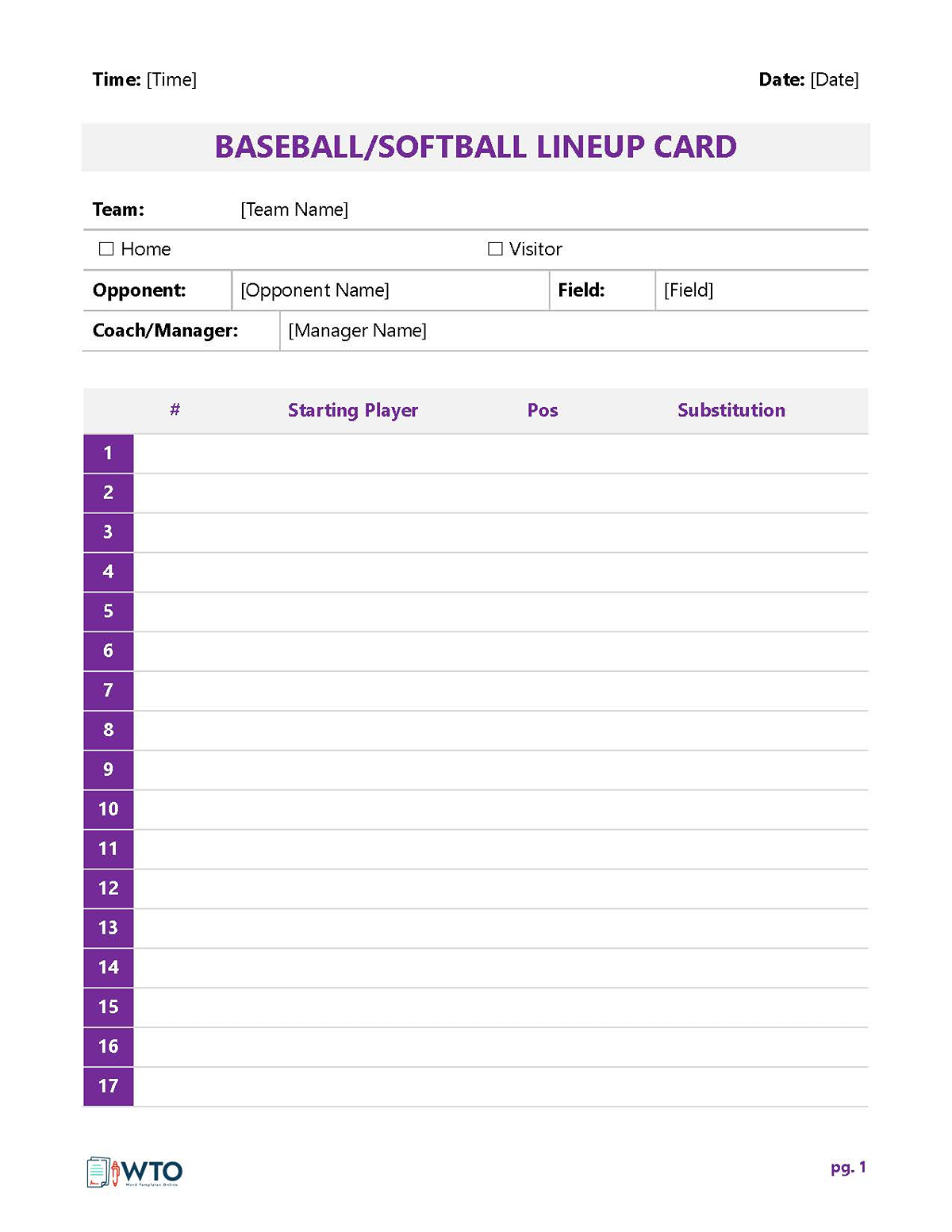
1. Basic Template Design
A simple template often begins with a grid layout. This allows for easy readability and a clear presentation of information. Columns are typically used to represent pitching positions, batting positions, and potentially other strategic elements. Consider using a consistent color scheme to maintain visual harmony. A light background with darker text is generally a good choice.
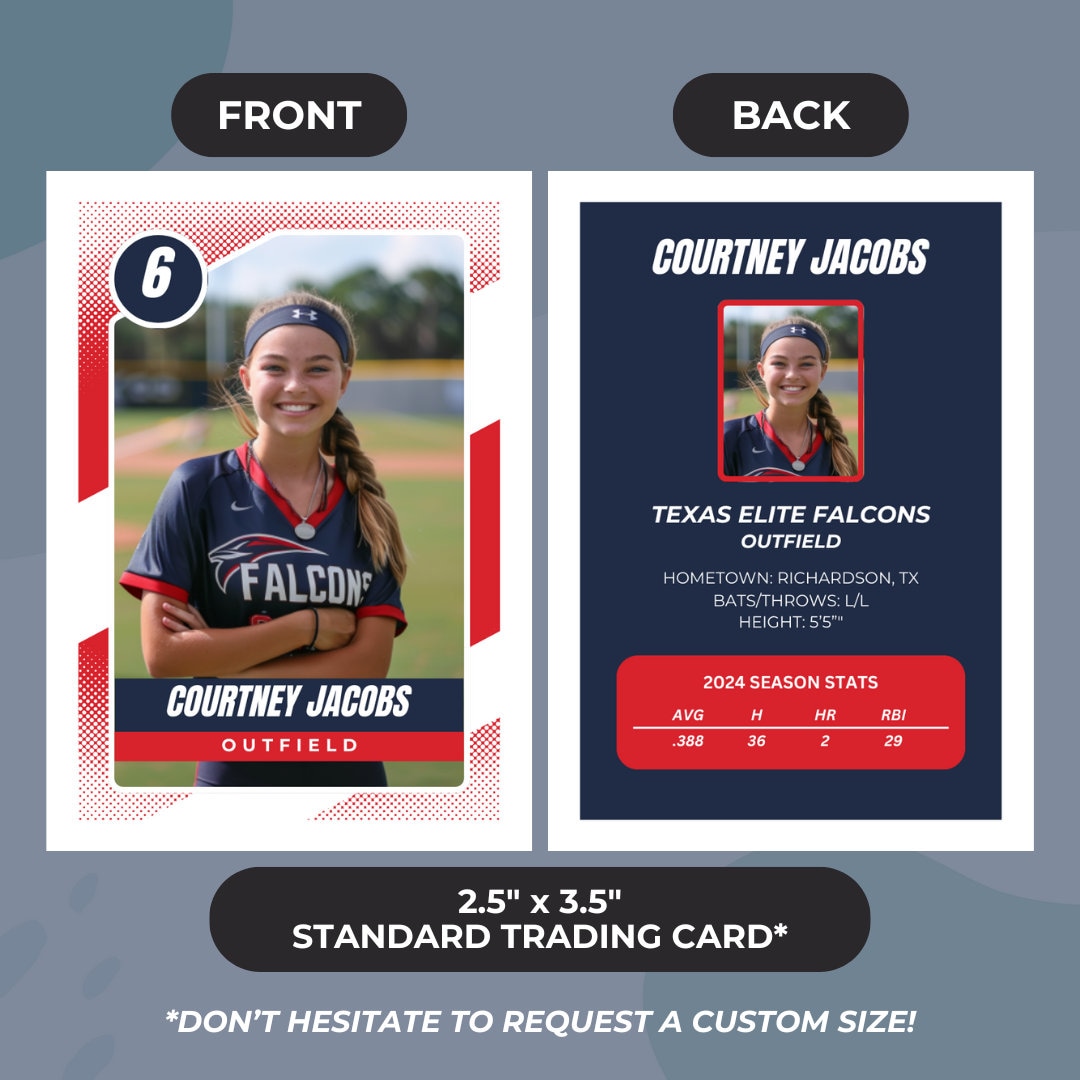
2. Pitching Position Representation
- Dominant Pitchers: Clearly designate pitchers with strong pitching tendencies – those who consistently throw strikes or have a high velocity fastball. Use a larger font size and a distinct color to highlight these players.
- Secondary Pitchers: Represent secondary pitchers with a smaller font size and a less prominent color.
- Pitching Rotation: If your team has a pitching rotation, visually represent it with a rotating arrow or a series of icons.
3. Batting Position Representation
- Hitting Positions: Clearly delineate the batting positions – corner, middle, and third.
- Player Roles: Consider adding small icons or labels to represent specific batting roles – e.g., "Left-Handed," "Power Hitter," "Balanced Hitter."
- Batting Order: The batting order should be presented in a logical sequence, reflecting the team's strategic approach.
Advanced Techniques for a Superior Softball Lineup Card
Beyond the basics, there are several advanced techniques that can significantly enhance the effectiveness of your lineup card.
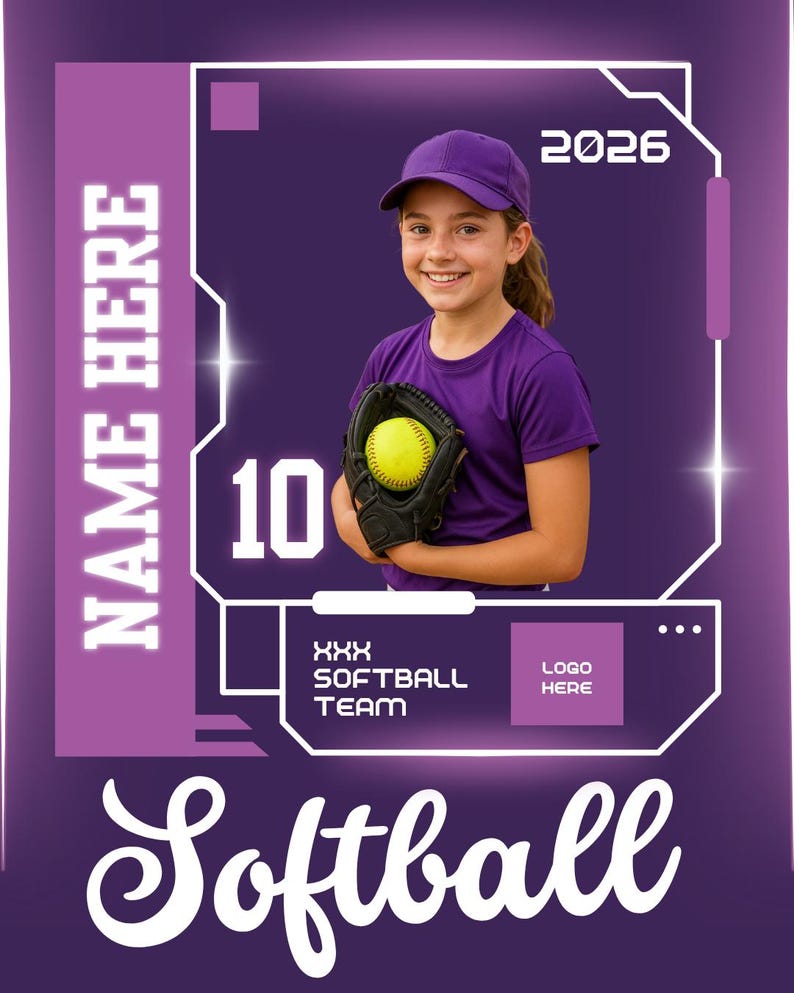
1. Color Coding
Strategic color coding can dramatically improve readability. For example, use a darker shade of blue for pitching positions and a lighter shade for batting positions. Consider using different colors for different types of players – e.g., a green for power hitters, a red for speed.
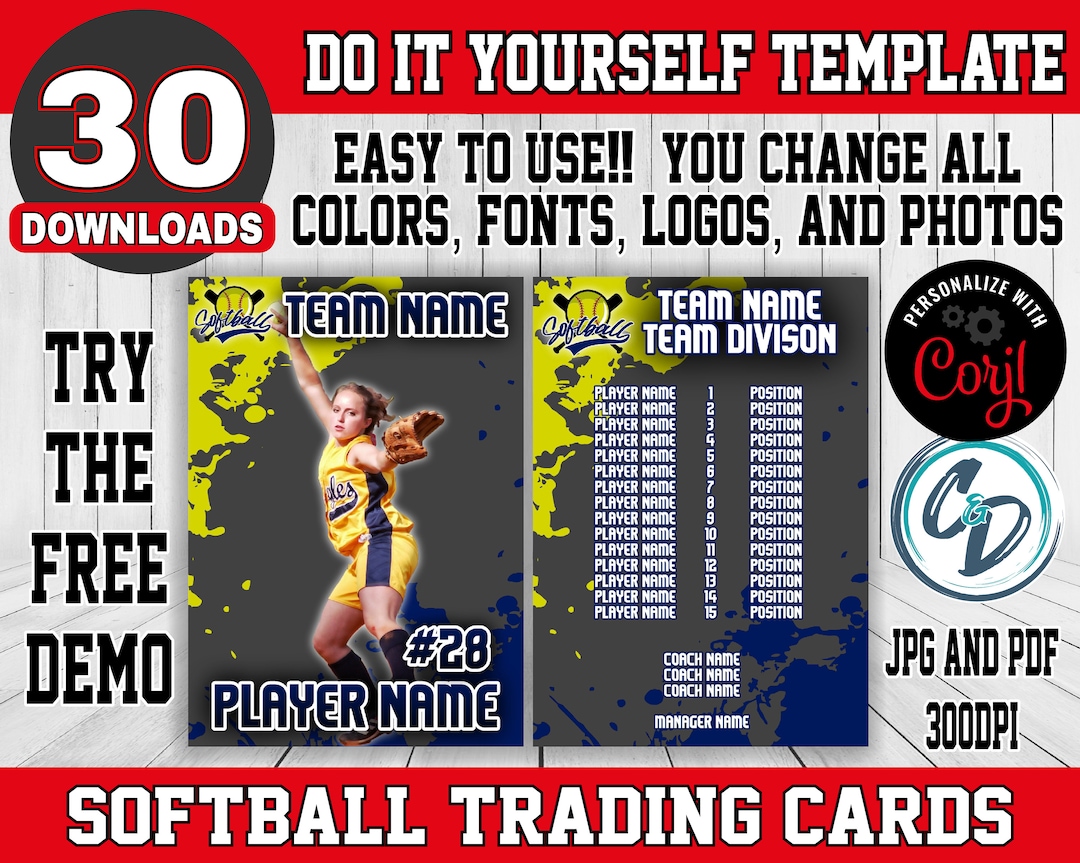
2. Iconography
Adding icons can make the lineup card more visually engaging and easier to understand. Icons can represent different types of pitches, batting stances, or strategic decisions. Ensure that the icons are consistent in style and size.
3. Data Visualization
For more advanced teams, consider incorporating data visualizations. This could include charts showing pitching velocity, batting average, or opponent tendencies. However, be mindful of the complexity of the data and ensure it's presented in a clear and concise manner.
4. Dynamic Lineup Cards
Some teams utilize dynamic lineup cards that update automatically based on game conditions. These cards can incorporate real-time data such as weather, opponent statistics, and player performance. This requires a robust backend system to manage the data and ensure accuracy.
The Importance of Strategic Communication
Ultimately, the effectiveness of a softball lineup card is determined by its ability to facilitate strategic communication. The card should be a tool that helps players and coaches make informed decisions during games. It's not enough to simply present information; the card should also be designed to encourage discussion and collaboration. Consider incorporating elements that prompt players to discuss their strategies and potential adjustments.
Conclusion
Creating a truly effective softball lineup card template is a multifaceted process that requires careful planning and attention to detail. By understanding the core principles outlined in this article, you can build a template that enhances your team's performance and provides a valuable tool for strategic decision-making. Remember that the best lineup card is one that's tailored to your team's specific needs and goals. Softball Lineup Card Template is a powerful asset, and with the right design and implementation, it can significantly contribute to your team's success. Continuous refinement and adaptation based on game results and player feedback are essential for maintaining optimal performance. Investing time in developing a well-designed lineup card is an investment in your team's future.
0 Response to "Softball Lineup Card Template"
Post a Comment