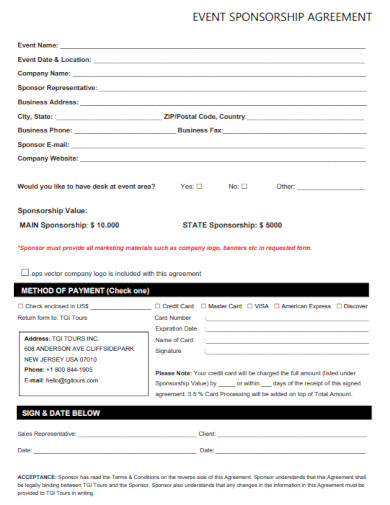
Event sponsorship agreements are a cornerstone of successful marketing campaigns and brand building. They formalize the partnership between an event organizer and a sponsor, outlining the expectations, responsibilities, and financial arrangements involved. A well-crafted agreement ensures clarity, protects both parties, and maximizes the return on investment. This article provides a comprehensive guide to understanding and utilizing event sponsorship agreement templates, equipping you with the knowledge to negotiate and implement effective partnerships. Event Sponsorship Agreement Template is the central topic we'll be exploring. Understanding the nuances of these agreements is crucial for any organization looking to leverage the power of events to achieve its business objectives. The process can seem daunting, but a structured approach will lead to a successful and mutually beneficial collaboration.
Understanding the Importance of Event Sponsorship Agreements
The benefits of event sponsorship extend far beyond simply showcasing a brand at an event. A robust sponsorship agreement provides a framework for strategic alignment, measurable results, and long-term relationships. It's not just about having a booth; it's about demonstrating value, building brand awareness, and generating leads. Without a clearly defined agreement, potential sponsors may struggle to understand the expectations and potential rewards, leading to miscommunication and ultimately, a failed partnership. A strong agreement minimizes risk and fosters trust, creating a foundation for a successful collaboration. Furthermore, it provides a documented record of the agreement, which is invaluable for dispute resolution and future negotiations. The level of detail and sophistication of the agreement will vary depending on the event's scale, industry, and sponsorship goals.
Key Elements of a Comprehensive Event Sponsorship Agreement Template
A successful event sponsorship agreement template typically includes several key elements. These elements are designed to protect both the event organizer and the sponsor, ensuring a fair and mutually beneficial partnership. Let's delve into some of the most important components:
- Event Overview: This section provides a detailed description of the event itself, including its purpose, target audience, dates, location, and expected attendance. It's vital to accurately represent the event's scope.
- Sponsor Responsibilities: This section clearly outlines the obligations of the sponsor, such as providing financial support, marketing materials, logistical assistance, and potentially, employee engagement. It's important to specify the level of involvement expected.
- Event Organizer Responsibilities: This section details the responsibilities of the event organizer, including event planning, execution, and post-event management.
- Financial Terms: This is a critical section that defines the sponsorship fee, payment schedule, and any associated costs. It should clearly outline how the sponsorship funds will be utilized.
- Marketing and Promotion: This section specifies how the sponsor's marketing efforts will be coordinated and integrated with the event's marketing strategy. It should outline the level of support provided by the sponsor.
- Intellectual Property: This section addresses ownership of intellectual property generated during the event, such as photos, videos, and presentations.
- Liability and Indemnification: This section protects both parties from potential liabilities arising from the event. It outlines who is responsible for what in case of accidents, injuries, or other incidents.
- Termination Clause: This clause outlines the conditions under which the agreement can be terminated by either party.
- Governing Law: Specifies the jurisdiction whose laws will govern the interpretation and enforcement of the agreement.
Specific Sections and Considerations
Let's examine a few specific sections that are frequently addressed in event sponsorship agreements:
Defining Sponsorship Levels and Benefits
Many agreements include tiered sponsorship levels, offering varying levels of benefits and exposure. For example, a Bronze sponsorship might provide basic logo placement and booth space, while a Gold sponsorship could include prominent logo placement, dedicated speaking opportunities, and exclusive event materials. It's crucial to clearly define the value proposition of each level to ensure that sponsors understand the investment they are making. A well-defined benefit package is key to attracting and retaining sponsors.
Marketing and Promotion Guidelines
The agreement should specify the level of marketing support the sponsor is expected to provide. This might include providing marketing materials, social media promotion, or employee engagement activities. It's important to establish clear guidelines to ensure that the sponsor's efforts are aligned with the event's goals. A detailed marketing plan, developed in collaboration with the sponsor, is highly recommended.
Event Logistics and Support
The agreement should address logistical support provided by the event organizer, such as venue setup, staffing, and security. It should also outline the sponsor's responsibilities for ensuring the smooth operation of the event. Clear communication and coordination between the event organizer and the sponsor are essential for a successful partnership.
Post-Event Reporting and Evaluation
The agreement should include provisions for post-event reporting and evaluation. This allows both parties to assess the effectiveness of the sponsorship and identify areas for improvement. It also provides a basis for future negotiations and relationship building.
Negotiating Event Sponsorship Agreement Templates
Negotiating an event sponsorship agreement can be a complex process. It's essential to approach the negotiation with a clear understanding of your goals and priorities. Here are some key tips for successful negotiation:
- Start with a Preliminary Discussion: Begin by discussing the event's goals and the sponsor's objectives.
- Clearly Define Your Needs: Outline your specific requirements and expectations.
- Be Prepared to Compromise: Negotiation often involves compromise. Be willing to make concessions to reach a mutually agreeable solution.
- Seek Legal Counsel: It's always advisable to have an attorney review the agreement before signing it.
- Document Everything: Keep a record of all discussions and agreements.
Beyond the Basic Template: Advanced Considerations
While the basic event sponsorship agreement template provides a solid foundation, advanced considerations often require more tailored agreements. For example, agreements involving large-scale events or complex sponsorship models may necessitate the inclusion of clauses addressing:
- Confidentiality: Protecting sensitive information shared between the event organizer and sponsor.
- Indemnification: Protecting both parties from potential legal claims.
- Force Majeure: Addressing unforeseen circumstances that may disrupt the event.
- Renewal Terms: Specifying the terms under which the agreement can be renewed.
Conclusion
Event sponsorship agreements are a critical component of successful marketing campaigns and brand building. By carefully considering the key elements outlined in this article and engaging in proactive negotiation, organizations can establish mutually beneficial partnerships that drive results and enhance their brand visibility. Remember that a well-crafted agreement is not just a legal document; it's a strategic tool that fosters trust, protects interests, and maximizes the return on investment. Investing time and effort in developing a robust sponsorship agreement template is a worthwhile investment for any organization seeking to leverage the power of events. The importance of a solid agreement cannot be overstated.
0 Response to "Event Sponsorship Agreement Template"
Post a Comment