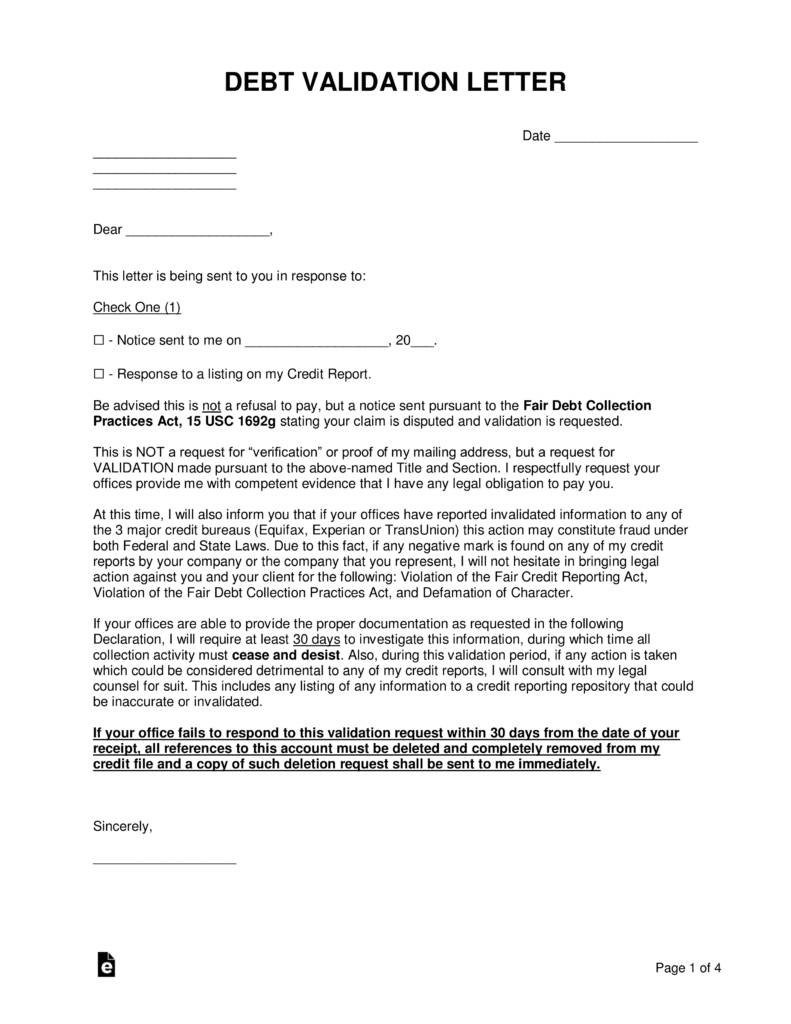
Debt Validation Letter Template – A Comprehensive Guide to Obtaining Clarity on Your Debt
Navigating a debt can be incredibly stressful, and often, the next step is to request a validation of the debt. This process is crucial for understanding the legitimacy of the claim and determining the best course of action. A debt validation letter is a formal document that allows you to formally dispute a debt, providing evidence and requesting further investigation. This article will provide a detailed guide to creating and sending a compelling debt validation letter, ensuring you receive a clear and decisive response. Understanding the nuances of this process is vital for protecting your financial well-being. The core of a successful debt validation letter lies in presenting a clear, concise, and well-supported case. It's not just about complaining; it's about presenting facts and demonstrating why you believe the debt is incorrect. Let's delve into the specifics.
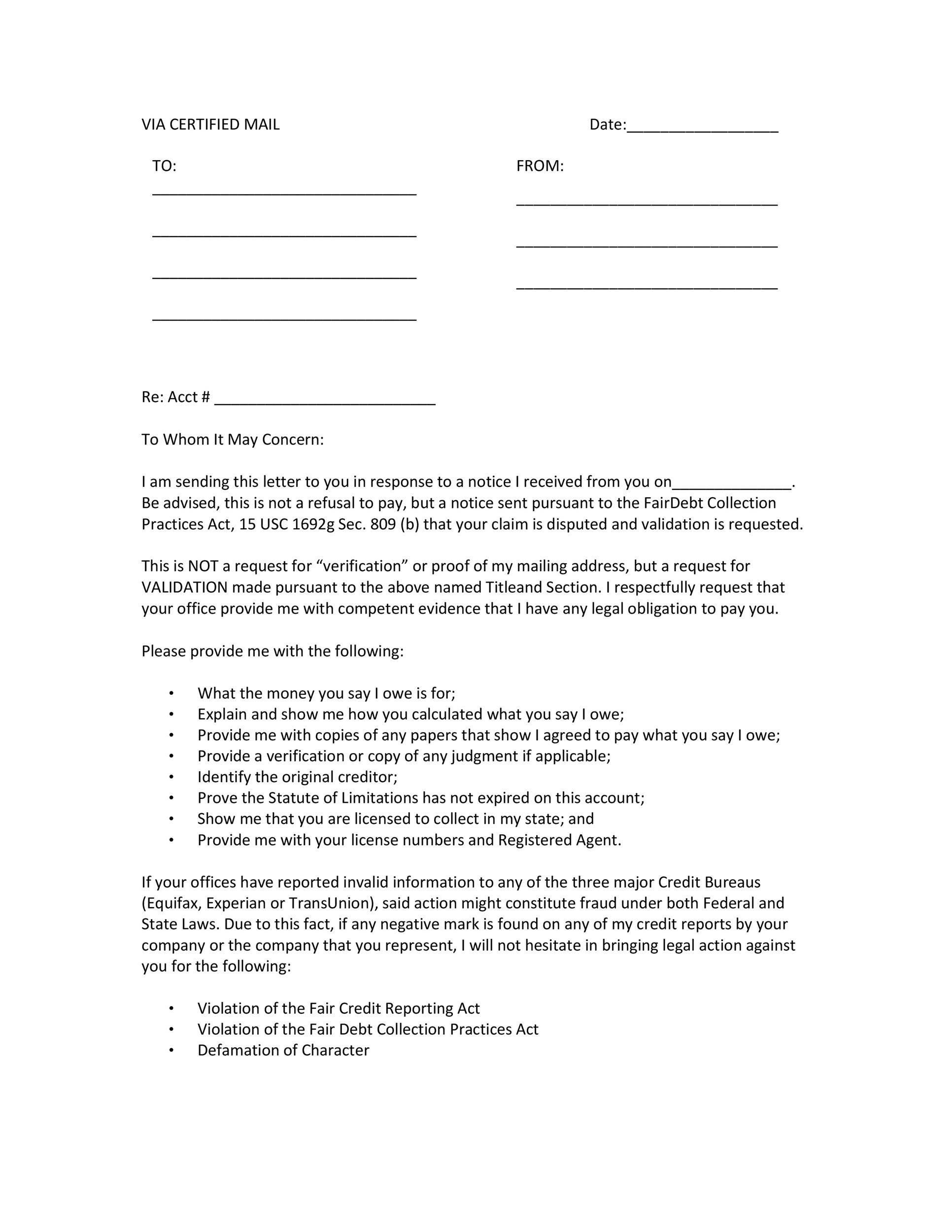
The initial stages of a debt validation often involve a frustrating experience – receiving a debt collection letter without a clear explanation of the debt's origin or the basis for the claim. This can be incredibly unsettling and lead to unnecessary stress. A well-crafted debt validation letter can alleviate this anxiety and empower you to take control of the situation. It's a proactive step that demonstrates your commitment to resolving the issue. It's important to remember that the goal isn't necessarily to win the dispute, but to obtain a clear and definitive response. A polite and professional approach is always recommended.
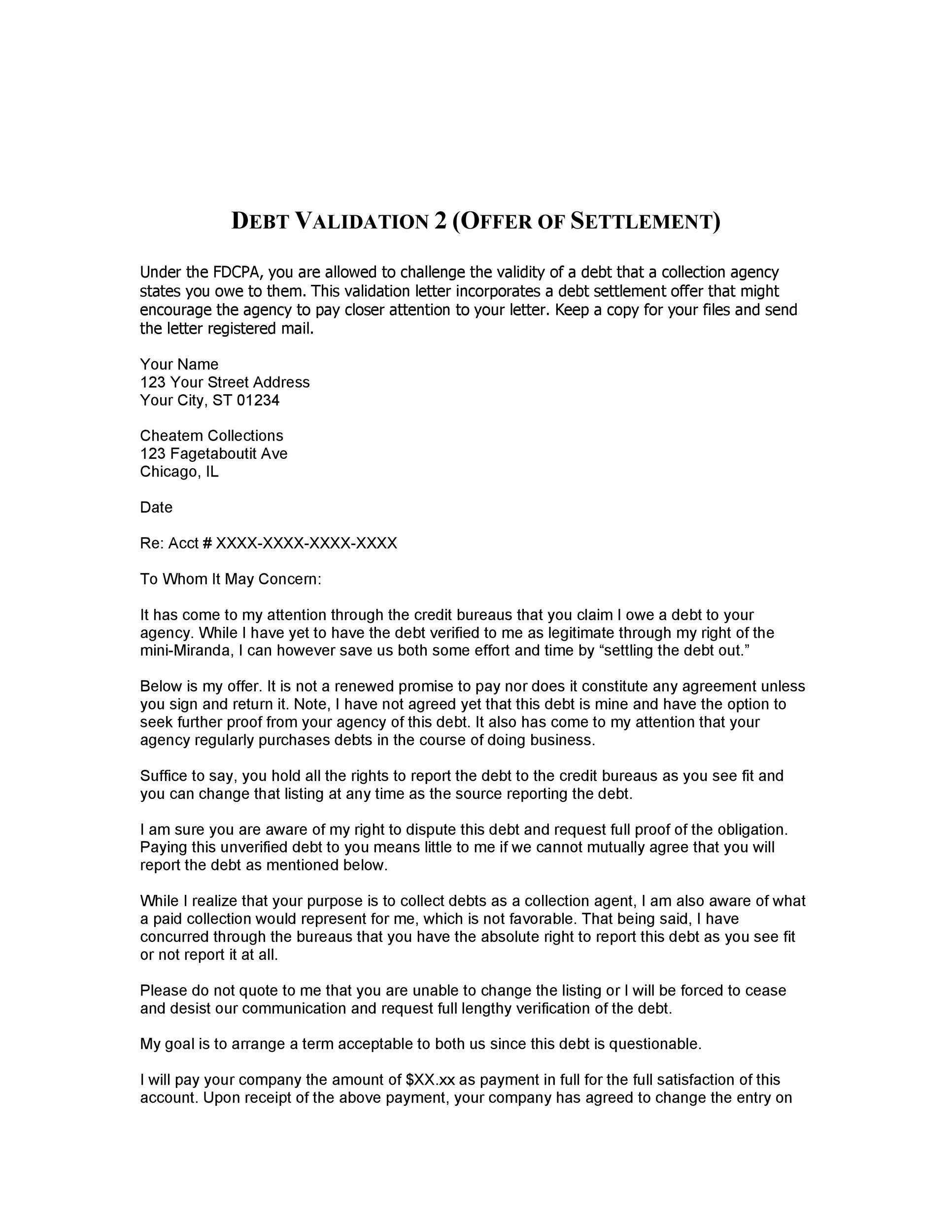
Understanding the Importance of a Debt Validation Letter
Before we dive into the template itself, let's solidify why a debt validation letter is so important. It's a fundamental right, and many creditors are legally obligated to provide a validation process. Failing to provide this process can be considered a violation of consumer protection laws. Furthermore, a validated debt demonstrates that you've taken the necessary steps to investigate the claim, which can be beneficial in future interactions with the creditor. Without a validated debt, you're essentially at the mercy of the creditor's interpretation of the debt. The process itself can also be a valuable tool for uncovering potential errors or fraudulent activity.
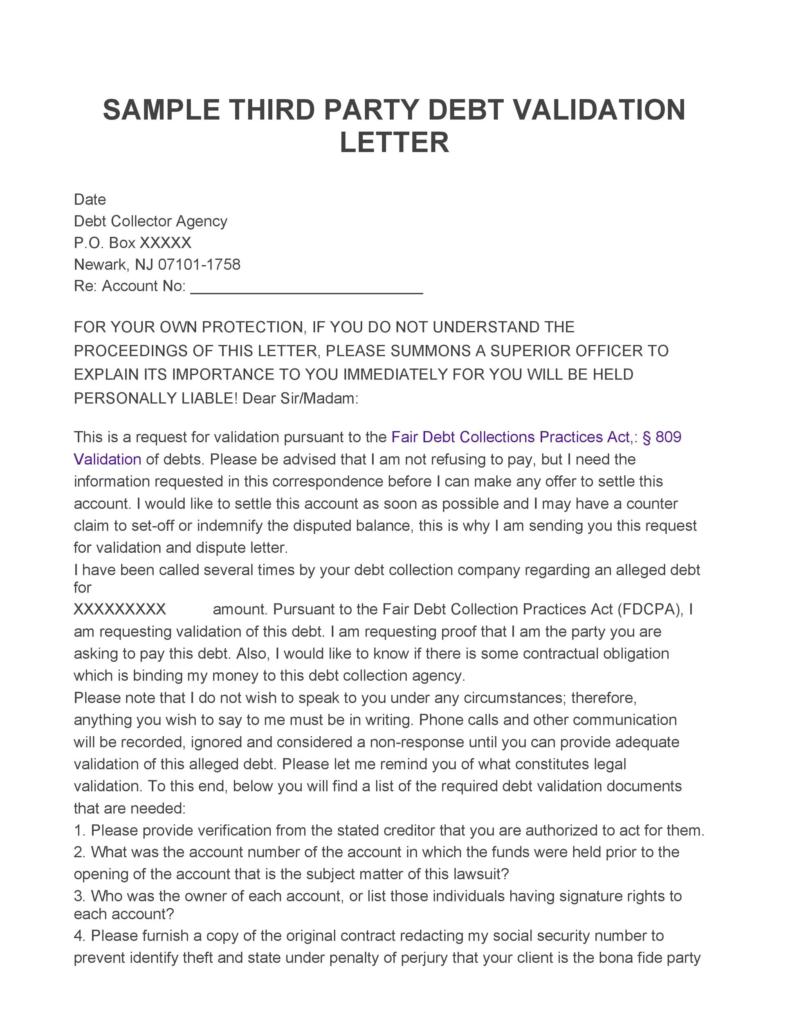
Creating Your Debt Validation Letter Template
Here's a breakdown of the key sections and elements to include in your debt validation letter:
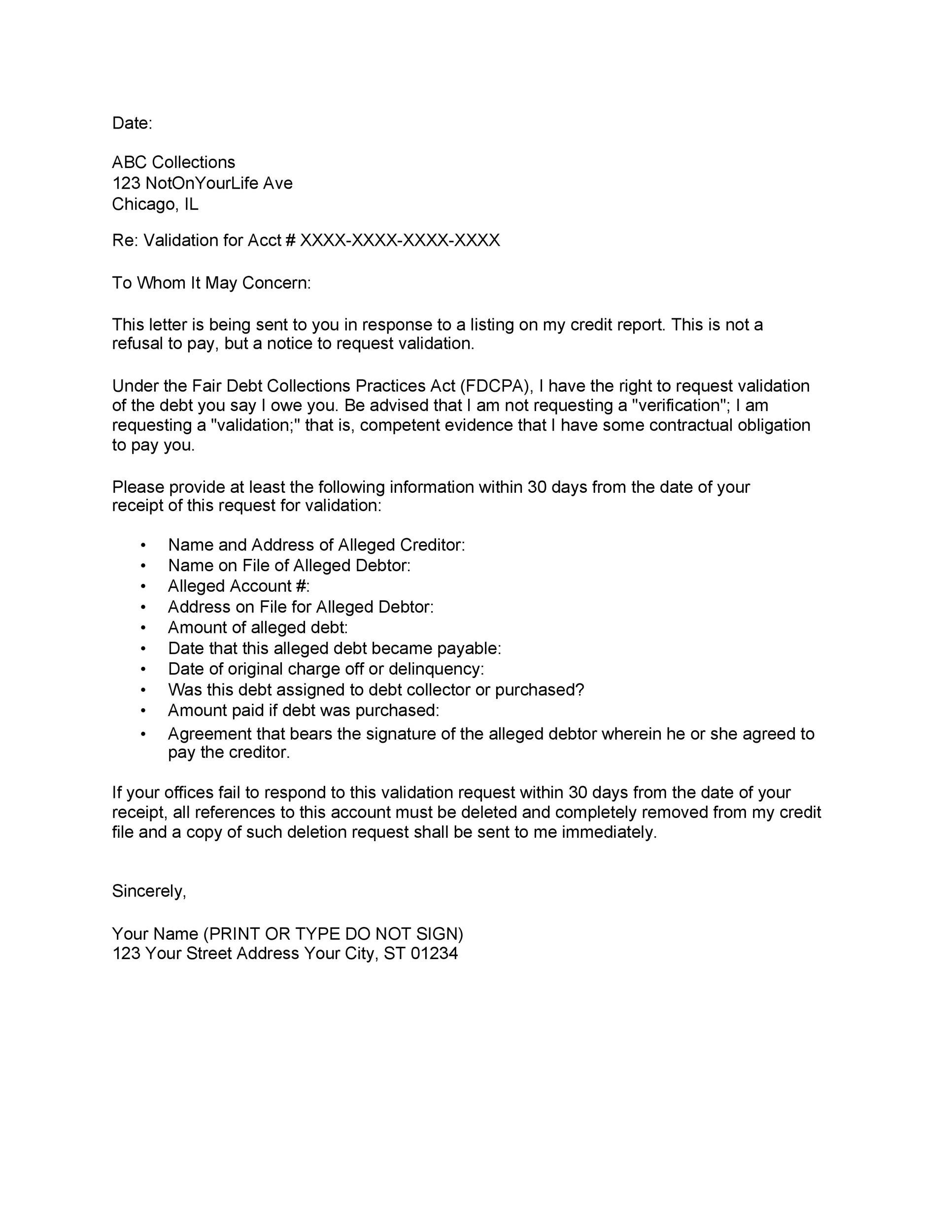
1. Header & Contact Information
Begin your letter with your contact information, clearly stating your full name, address, phone number, and email address. This ensures the creditor can easily reach you if they need to clarify anything.
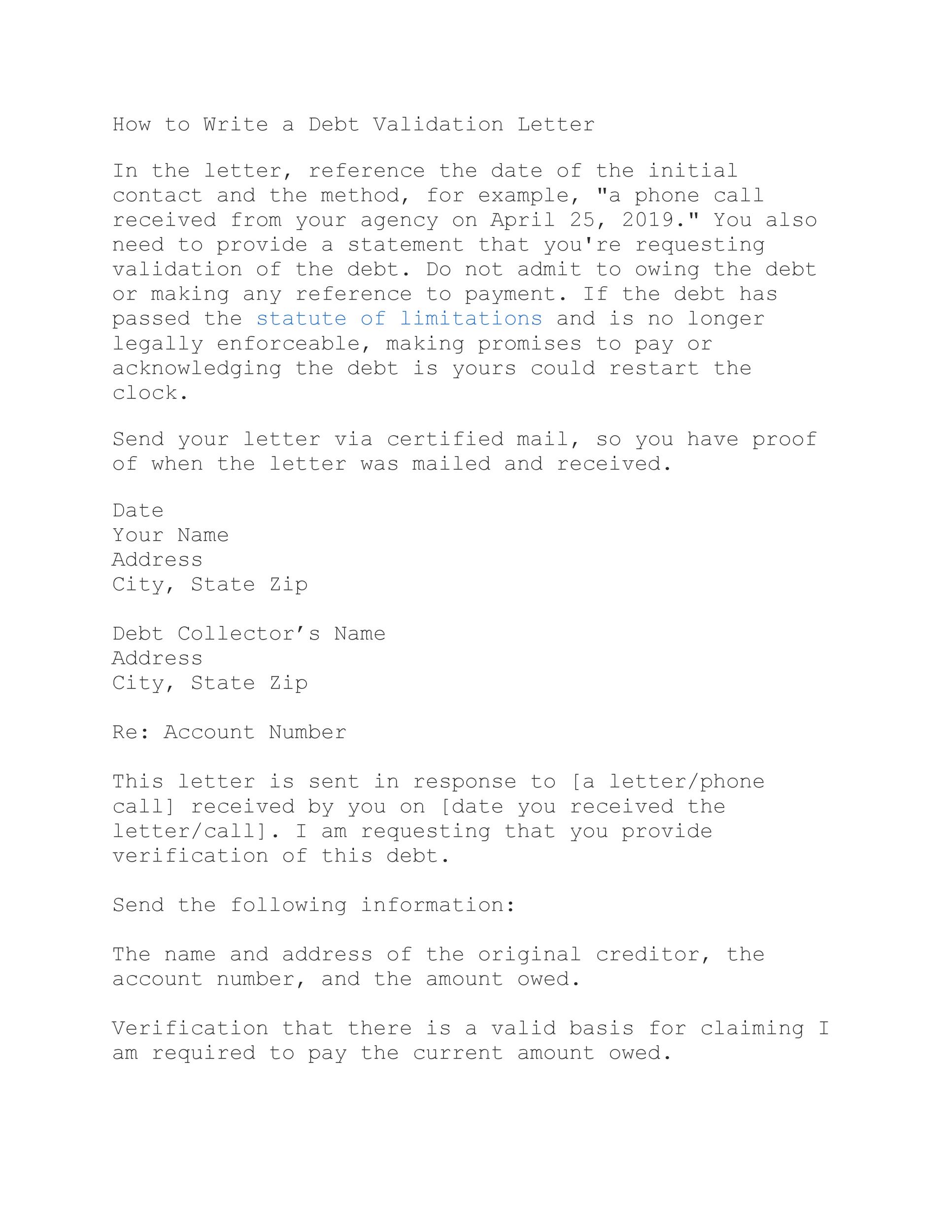
2. Debt Details – Clearly State the Debt
This is the most crucial section. Specifically state the name of the debt, the original creditor, and the amount owed. Be precise – avoid vague descriptions. For example, instead of "Debt from Credit Card X," write "Debt from Credit Card X, number 123456789, totaling $5,000.00."
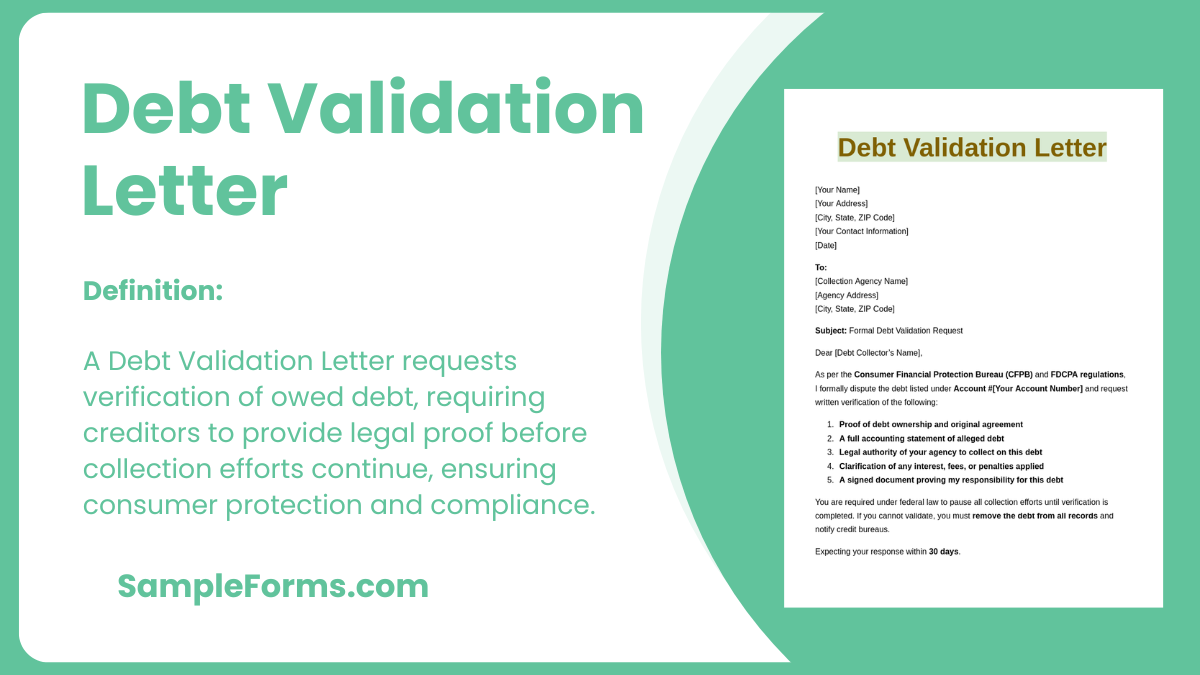
3. Dispute – Explain the Reason for the Dispute
This is where you explain why you believe the debt is incorrect. Be factual and avoid emotional language. Common reasons for a debt validation include:
- Incorrect Account: The debt is not yours. Provide documentation to support this, such as a copy of your credit report showing no record of the debt.
- Duplicate Account: The debt is being collected from a different account. Provide documentation proving this.
- Incorrect Interest Rate: The interest rate charged is higher than the agreed-upon rate.
- Incorrect Date: The debt was not incurred on the date stated.
4. Supporting Documentation
This is where you provide evidence to support your claim. Include copies of the following:
- Credit Report: A copy of your credit report from a reputable source (e.g., AnnualCreditReport.com).
- Account Statements: Copies of your account statements showing the original balance and any payments made.
- Proof of Payment: Documentation demonstrating that you have already paid the debt (e.g., canceled checks, bank statements).
- Correspondence with Creditor: Copies of any letters or emails you've exchanged with the creditor regarding the debt.
5. Request – Clearly State What You Want
Be specific about what you're requesting. Do you want the creditor to investigate the debt further? Do you want them to remove the debt from your credit report? Do you want them to provide a written explanation of the debt? For example: "I request that you investigate this debt and provide a written explanation of the reasons for its collection." Or, "I request that you remove this debt from my credit report."
6. Closing
End your letter with a polite and professional closing. Thank the creditor for their time and attention. Reiterate your desire for a prompt resolution.
7. Signature & Date
Sign and date the letter. Include your full name and contact information.
Sending Your Debt Validation Letter
Once you've completed your letter, it's important to send it via certified mail with return receipt requested. This provides proof that the creditor received your letter. Keep a copy of the letter and the return receipt for your records. Send the letter via email as well, but certified mail provides the strongest evidence of delivery. Be sure to proofread carefully for any errors before sending.
Responding to the Creditor's Response
The creditor will likely respond to your letter with a denial or a request for more information. Carefully review their response and address their concerns thoroughly. If they provide a valid reason for the debt, carefully consider whether you agree with their assessment. If you disagree, you can politely reiterate your position and provide additional documentation. It's often helpful to consult with a legal professional if you're unsure about your rights.
Potential Challenges and Considerations
- Debt Collection Practices: Be aware of debt collection laws and regulations. Some states have laws that protect consumers from abusive debt collection practices.
- Fair Debt Collection Practices Act (FDCPA): The FDCPA regulates debt collection practices by debt collectors. Familiarize yourself with the FDCPA to ensure you're complying with its requirements.
- Credit Reporting Errors: Incorrect information on your credit report can be challenging to resolve. Be prepared to provide documentation to support your claim.
- Time Limits: There are time limits for disputing debts. Don't delay in pursuing your claim.
Conclusion
A well-crafted debt validation letter is a powerful tool for protecting your financial interests. By following the steps outlined in this guide, you can effectively dispute a debt and ensure you receive a clear and decisive response. Remember to remain calm, professional, and factual throughout the process. A proactive approach, coupled with thorough documentation, significantly increases your chances of resolving the issue successfully. Don't hesitate to seek legal advice if you encounter any difficulties or feel that your rights are being violated. Ultimately, a validated debt is a victory for you, empowering you to take control of your financial future.
Conclusion
The debt validation process can be complex, but with a clear understanding of the key steps and the importance of providing accurate and well-supported documentation, you can effectively challenge a debt and protect your financial well-being. By diligently following this guide, you'll be well-equipped to navigate this challenging situation and achieve a positive outcome. The consistent application of these principles will contribute to a more secure and financially stable future.
0 Response to "Debt Validation Letter Template"
Post a Comment