
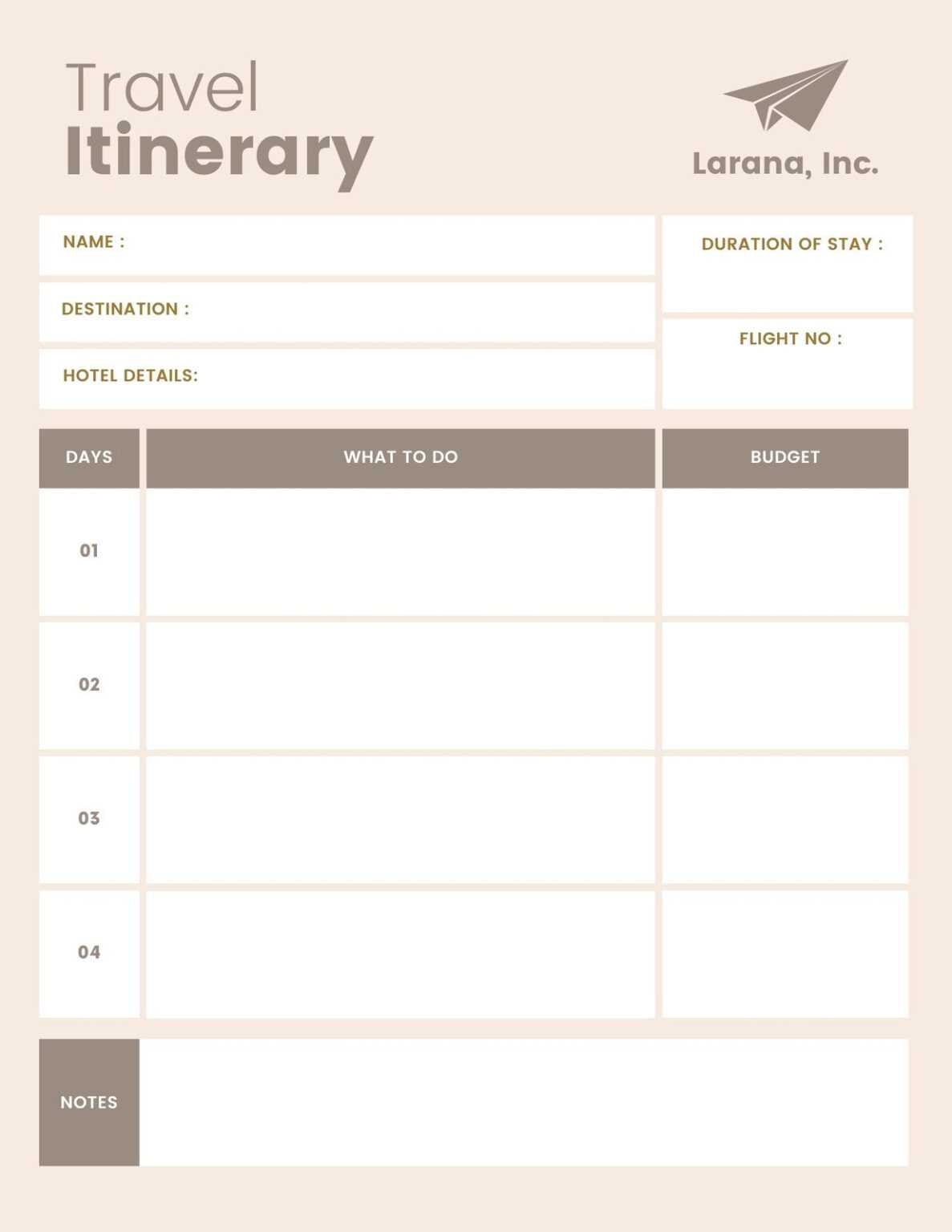
Planning a trip can be exciting, but the sheer volume of details can quickly feel overwhelming. Creating a detailed itinerary – one that's both comprehensive and manageable – is crucial for a smooth and enjoyable experience. That's where a Blank Trip Itinerary Template comes in. This template provides a solid foundation for organizing your travel plans, allowing you to capture all the essential information and ensure a stress-free journey. Whether you're dreaming of a weekend getaway or a month-long adventure, this template offers a flexible structure to tailor to your specific needs. It's designed to be easily customizable, allowing you to add, remove, or rearrange sections to perfectly match your travel style. Blank Trip Itinerary Template is more than just a document; it's a tool for empowering you to take control of your travel plans and maximize your enjoyment. Let's dive in and explore how to create a fantastic itinerary using this template.
Understanding the Importance of a Trip Itinerary
Before we get into the specifics of the template, it's important to understand why a well-structured itinerary is so valuable. A disorganized trip can lead to missed connections, forgotten reservations, and a generally stressful experience. A detailed itinerary, on the other hand, reduces anxiety by providing a clear roadmap. It allows you to anticipate potential challenges, prioritize tasks, and allocate time effectively. It also helps you stay on track, ensuring you don't get sidetracked or lose momentum. Furthermore, it's a fantastic tool for sharing your plans with travel companions, ensuring everyone is on the same page. Ultimately, a thoughtful itinerary transforms a simple trip into a memorable adventure.
Defining Your Trip Goals and Preferences
The first step in creating a successful Blank Trip Itinerary Template is to clearly define your trip goals and preferences. What are you hoping to achieve on this trip? Are you primarily interested in relaxation, adventure, cultural immersion, or a combination of these? Consider these factors:

- Destination: Where are you going? Be specific – city, region, country.
- Duration: How long will your trip be? (e.g., 3 days, 1 week, 2 months)
- Travel Style: What's your preferred travel style? (e.g., budget-friendly, luxury, backpacking, family-oriented)
- Interests: What are your key interests? (e.g., hiking, museums, food, nightlife, historical sites)
- Budget: What's your approximate budget for the trip? (This will influence accommodation choices and activities)
Documenting these preferences will help you narrow down your options and create a trip that truly aligns with your desires. Don't underestimate the power of a preliminary mood board – visual inspiration can spark ideas and help you visualize the overall experience.
Building the Core Sections of Your Itinerary
Now, let's look at the key sections that will form the foundation of your Blank Trip Itinerary Template. Each section should be clearly defined and easily adaptable.
1. Transportation
This section details how you'll get to and around your destination.
- Flights: Include flight details – airline, flight numbers, departure and arrival times, and booking confirmation numbers.
- Transportation within the Destination: Outline your transportation options for getting around. This could include:
- Public transportation (trains, buses, trams, subways) – include schedules and ticket information.
- Rental cars – include rental company, car type, and pickup/drop-off locations.
- Taxis/Ride-sharing services – include estimated costs and availability.
- Walking – estimate walking distances and times.
- Airport Transfers: Specify how you'll get from the airport to your accommodation.
2. Accommodation
This section covers where you'll be staying.
- Hotel/Hostel/Airbnb: Provide the name, address, and contact information.
- Check-in/Check-out Times: Specify the expected arrival and departure times.
- Amenities: List essential amenities (e.g., Wi-Fi, breakfast included, pool, gym).
3. Daily Itinerary – The Heart of Your Plan
This is where you flesh out the details of each day. Each day should include:
- Date: Clearly indicate the date for each day.
- Morning Activity: Describe what you'll be doing. Be specific – "8:00 AM: Visit the Louvre Museum."
- Afternoon Activity: Similar to the morning, detail the planned activity.
- Evening Activity: Include dinner plans, entertainment, or other evening events.
- Travel Time: Estimate the time required to travel between activities.
- Notes: Add any relevant notes – weather conditions, important information, or potential delays.
4. Activities & Attractions
This section is crucial for maximizing your time and experiencing the best of your destination.
- Must-See Attractions: List the top attractions you want to visit.
- Estimated Time: Estimate the time required to visit each attraction.
- Booking Information: Include links to websites for booking tickets or tours.
- Alternative Options: Suggest alternative activities in case of inclement weather or if an attraction is closed.
5. Food & Dining
- Restaurant Recommendations: List restaurants you'd like to try, with estimated costs.
- Dietary Restrictions: Note any dietary restrictions or allergies.
- Grocery Shopping: Include a plan for grocery shopping if you plan to prepare some of your own meals.
6. Budget Breakdown
- Estimated Costs: Estimate the cost of each category (transportation, accommodation, food, activities, souvenirs, etc.).
- Currency: Specify the currency used.
7. Emergency Contacts & Important Information
- Emergency Contact Numbers: Include local emergency numbers (police, ambulance, fire).
- Travel Insurance Information: Provide details about your travel insurance policy.
- Important Documents: List passport, visa, and other important documents.
- Local Customs & Laws: Include information about local customs and laws to avoid unintentional offenses.
8. Packing List
- Clothing: List essential clothing items.
- Toiletries: Include toiletries and any necessary medications.
- Electronics: List any necessary electronics (phone, camera, adapter).
Tips for Creating a Powerful Template
- Use a Spreadsheet: A spreadsheet program like Google Sheets or Microsoft Excel is ideal for creating and managing your itinerary.
- Be Realistic: Don't overschedule yourself. Leave room for spontaneity and unexpected delays.
- Prioritize: Focus on the most important activities and events.
- Share with Others: Collaborate with travel companions to create a shared itinerary.
- Regularly Update: As your trip progresses, update your itinerary to reflect any changes or new discoveries.
Conclusion
Creating a Blank Trip Itinerary Template is a fundamental step towards a successful and enjoyable travel experience. By carefully planning each aspect of your trip, you can minimize stress, maximize your time, and create lasting memories. Remember that this template is a starting point – adapt it to your specific needs and preferences to create a truly personalized travel plan. With a little planning and organization, your next adventure will be smoother and more rewarding than ever before. Ultimately, the key to a fantastic trip is to be prepared, flexible, and ready to embrace the unexpected. Investing time in creating a well-structured itinerary will undoubtedly pay dividends throughout your entire journey.
0 Response to "Blank Trip Itinerary Template"
Post a Comment